DJI Agriculture's annual report highlights the significant impact of drones on crop efficiency and environmental sustainability. With over 600,000 drones in operation, the company is strengthening its support and training network for farmers. Recent studies have shown that the global adoption of agricultural drones has saved 410 million tons of water and reduced carbon emissions by 51 million tons.
Source: Agropages, published under the title "DJI Agriculture reveals global adoption of agricultural dron..." - 1 May 2026
Read more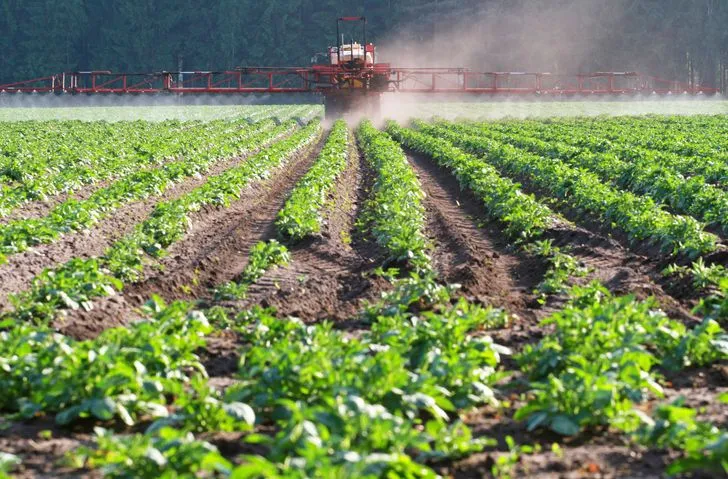
As legal controversies surrounding glyphosate threaten its future in the United States, some experts warn of the risks of a hasty withdrawal for agriculture. Despite its limitations, this herbicide remains difficult to replace in terms of cost, effectiveness, and environmental impact. To achieve sustainable solutions, the most credible path lies not in prohibition but in the development of more efficient weeding technologies.
Dan Blaustein-Rejto, Source: Agfundernews, published under the title "Guest article: The future of glyphosate may rest with innova..." - 1 May 2026
Read more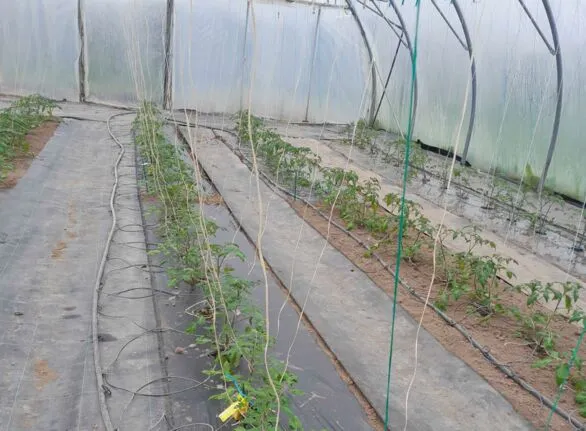
The plastics used in market gardening, while practical, pose significant environmental challenges. Farmers, facing a high contamination rate (averaging 70%), are exploring various alternatives, ranging from recycling to the use of biodegradable films and cover crops. The results of experiments show that each option has its advantages and disadvantages, highlighting the lack of a universal solution.
Publié par Pleinchamp, Source: Pleinchamp, published under the title "Recycler, biodégrader, remplacer ? Le casse-tête des plastiq..." - 1 May 2026
Read more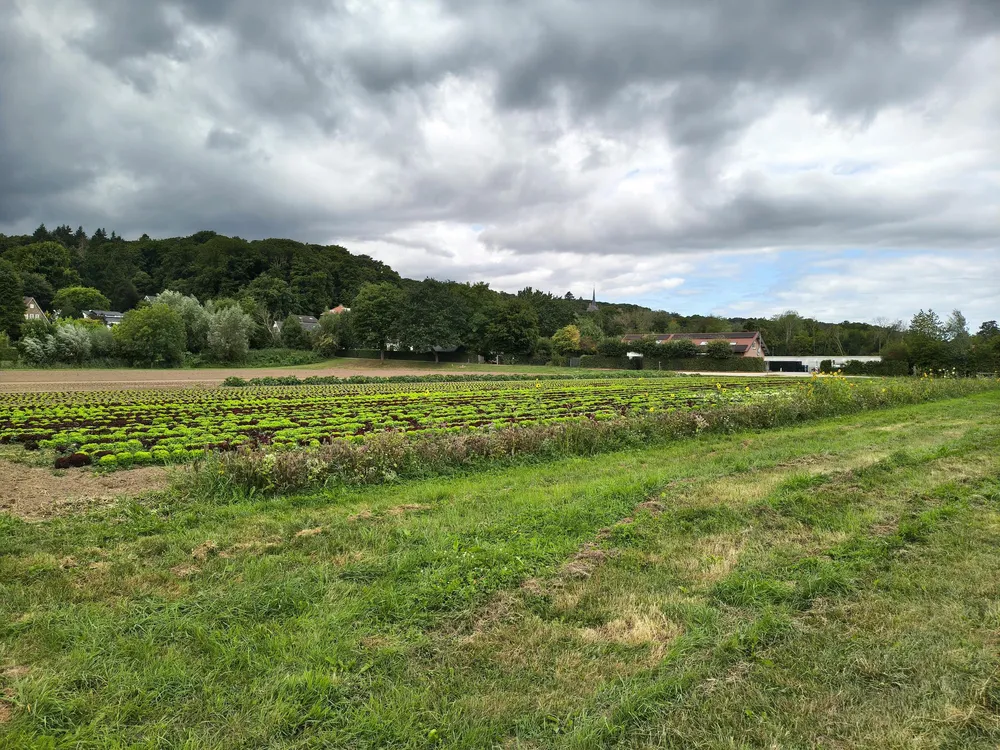
A comparative assessment shows that biological solutions are gaining strategic relevance, offering agronomic performance comparable to chemical products while enhancing soil health. Bureau Veritas's study reveals that biological fungicides, such as Biotrop's Bombardeiro, emit up to 65% less CO₂ than conventional chemical fungicides.
Source: Agropages, published under the title "Groundbreaking study reveals environmental advantage of biol..." - 30 April 2026
Read more
Source: Agroparistech, published under the title "De nouvelles communautés PCI pour une science plus ouverte" - 29 April 2026
Read more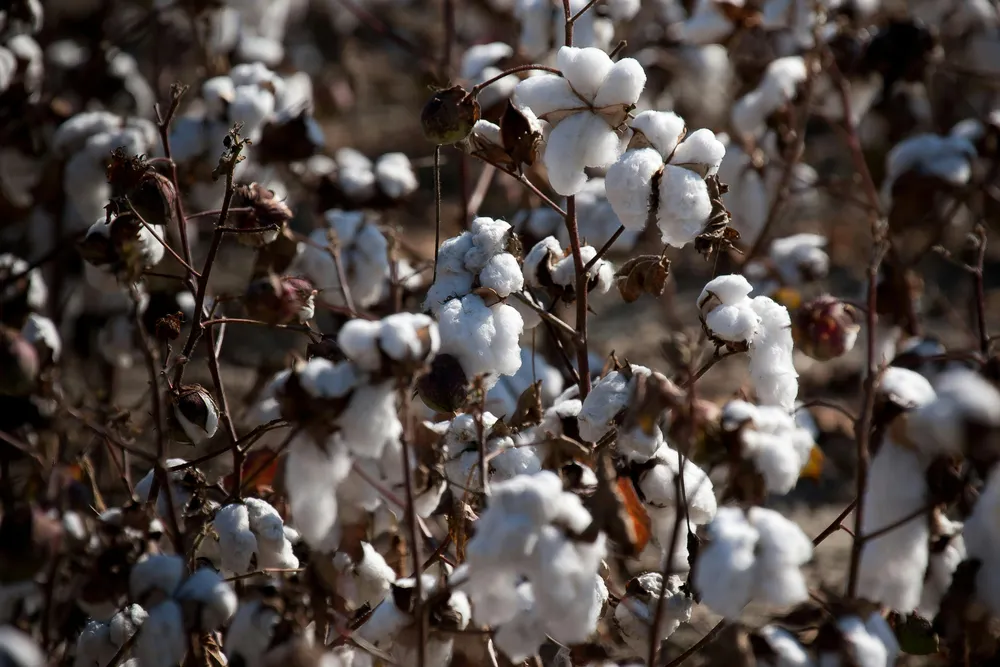
The use of chitosan nanoparticles to encapsulate double-stranded RNA (dsRNA) has shown increased efficacy against the cotton pest Helicoverpa armigera, while ensuring safety for pollinators. Results indicate a significant increase in larval mortality, even at reduced concentrations, with no observed toxicity to bees.
Source: Agropages, published under the title "Chitosan-protected dsRNA increases efficacy against Helicove..." - 28 April 2026
Read more
A study conducted by Araucária Soluções Agronômicas demonstrates that Brachiaria Mavuno, developed by Wolf Seeds, is an effective alternative for controlling nematode populations while improving soil structure. With a 65.8% reduction in nematodes compared to a soybean control, Mavuno stands out for its ability to maintain a high root mass, essential for soil health and the productivity of subsequent crops.
Source: Agropages, published under the title "Study confirms Mavuno hybrid brachiaria efficiency for nemat..." - 1 April 2026
Read more
An international study led by Professor Brajesh Singh (University of Western Australia) has mapped the hotspots of bacterial plant pathogens by analyzing 1,602 soil metagenomes from 59 countries. Researchers identified 32 dominant pathogens, particularly prevalent in warm ecosystems and agricultural soils. The study also shows that microbial diversity and soil organic carbon can limit their presence, paving the way for microbiome-based disease management strategies.
Source: Agropages, published under the title "Global hotspots of plant bacterial pathogens revealed" - 11 March 2026
Read more
A study by researchers from the University of Nebraska published in Nature Communications suggests that yield gains attributed to variety selection may be largely overestimated. By analyzing 849 wheat varieties across several countries, the researchers demonstrate that a significant portion of the observed progress is actually due to maintenance selection aimed at sustaining performance against diseases and climate, rather than increasing yield potential.
Source: Agropages, published under the title "Global study reports crop yield gains from breeding may be o..." - 11 March 2026
Read more
A sequencing program of 1,001 traditional rice varieties, led by the Philippine Rice Research Institute and the University of the Philippines Los Baños, highlights early maturity traits and flood tolerance. These genetic resources could support the selection of more resilient and nutritious varieties in the face of climate challenges.
Source: Agropages, published under the title "Genomics study finds early maturing traits in PH heirloom ri..." - 11 March 2026
Read more