

AI-assisted international press reviewPress review
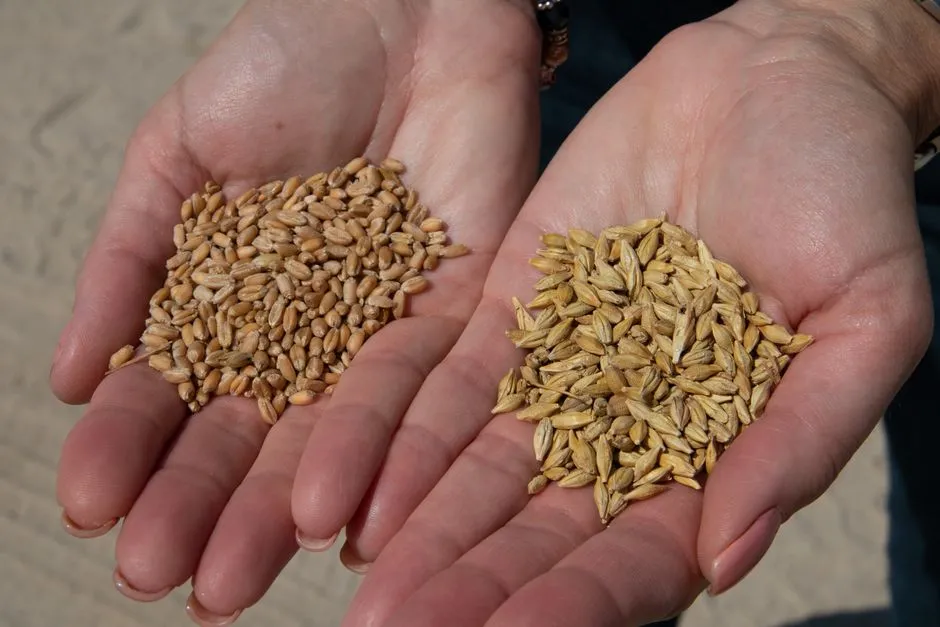
Wheat and Barley: INRAE Investigates Gene History for Climate Adaptation
Researchers from INRAE, Clermont Auvergne University, and CNRS have analyzed 1,420 modern varieties of wheat and barley, as well as ancient wheats dating back 5,000 years, to trace the history of genes related to adaptation. A hundred common variants have been identified, opening new avenues for variety selection in the face of climate change.
Source: Inrae, published under the title "Sélection variétale face au changement climatique : de nouve..." - 27 August 2026
Read more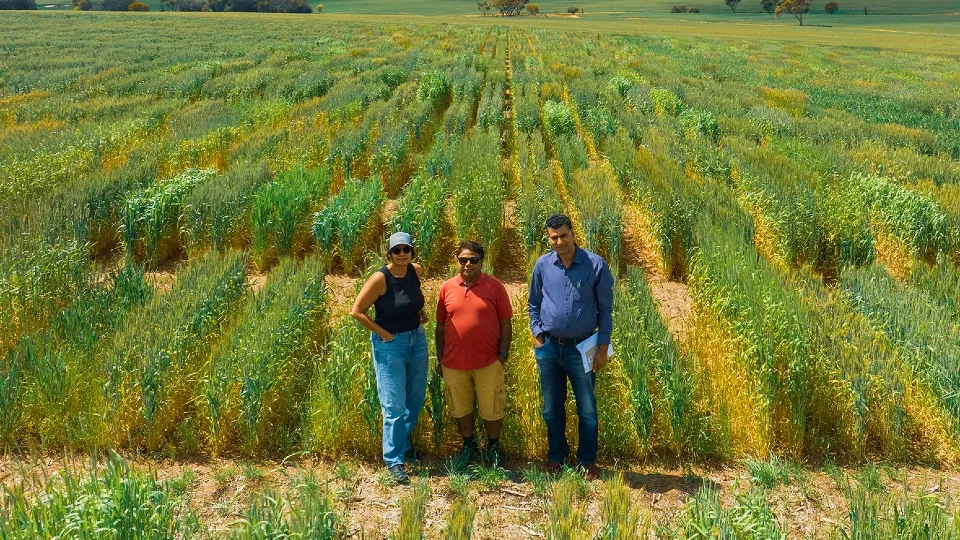
Pangenome Selection: A Breakthrough for More Resilient and Productive Crops
A study published in Cell reveals that a pangenome-based selection strategy can reintroduce genetic variants lost during domestication. Tested on Tartary buckwheat, this approach has led to the development of lines that combine better altitude stress tolerance with higher yields, opening new possibilities for numerous crops.
Source: Agropages, published under the title "Researchers demonstrate the potential of pangenome-guided br..." - 14 August 2026
Read more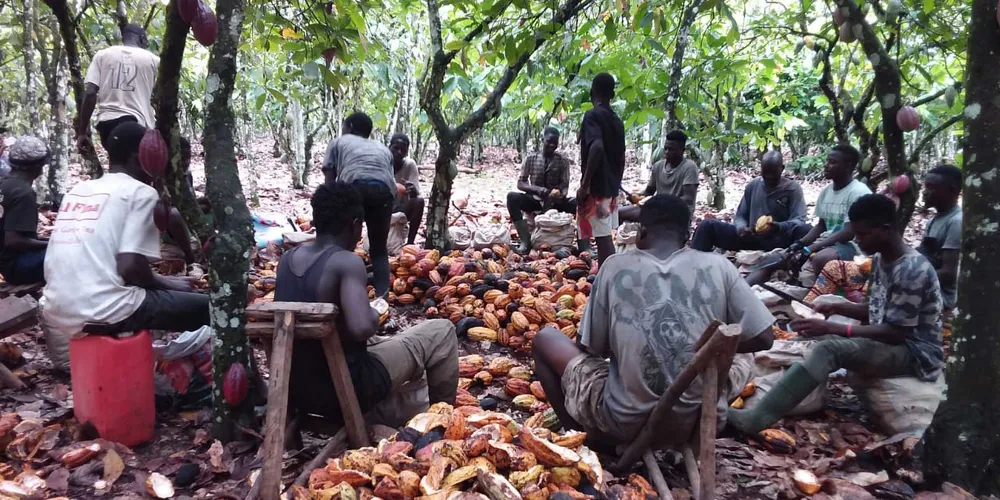
Study Reveals Gaps in Sustainability Monitoring of Cocoa Farms
Source: Ethz, published under the title "Study reveals weaknesses in farm sustainability monitoring" - 14 August 2026
Read more
Soybeans, corn... the issue of banned pesticides in Europe for imports
Source: La France Agricole, published under the title "Soja, maïs... l’enjeu des phytos interdits en Europe pour le..." - 13 August 2026
Read more
The PLUVALUH Project: Towards Sustainable Agriculture with Human Urine
The PLUVALUH project, led by the Chamber of Agriculture of the Pays de la Loire, explores the use of human urine as a fertilizer in agriculture. Experiments in Angers and other regions aim to assess the technical and agronomic feasibility of this innovative approach, while analyzing its environmental impact and developing viable economic models. This initiative could transform human urine into a valuable resource for farmers, thus contributing to more sustainable and decarbonized agriculture.
Publié par Chambre d'Agriculture des Pays de Loire, Source: Pleinchamp, published under the title "Découvrir le projet PLUVALUH" - 13 August 2026
Read more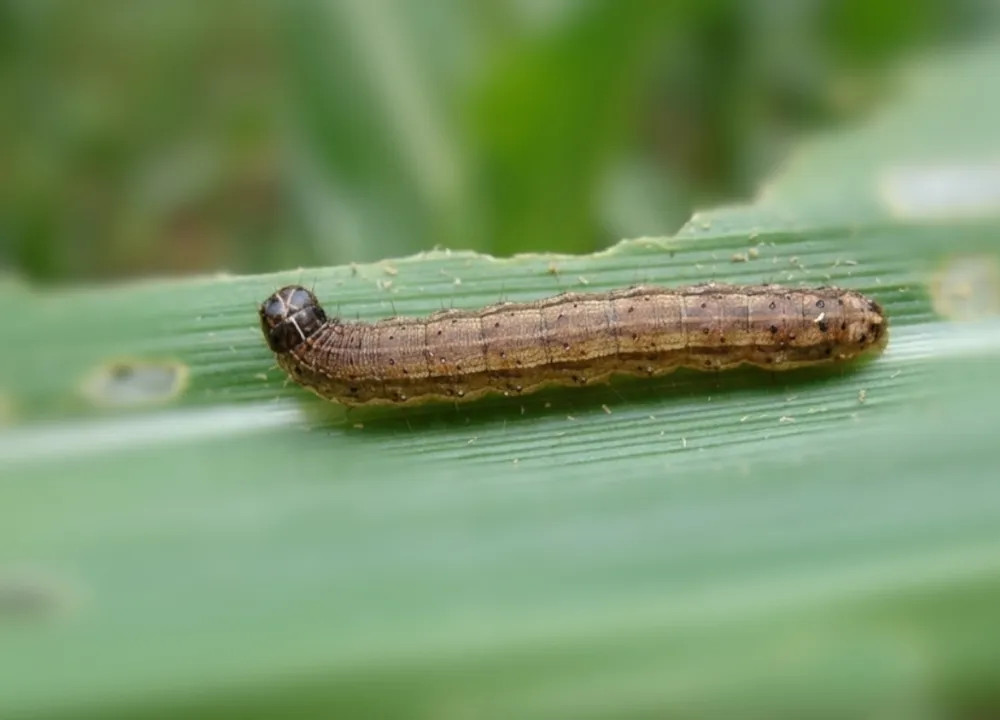
Silica Nanoparticles Alter Plant-Insect Interactions in Corn
A recent study shows that the foliar application of silica nanoparticles (SiO2NPs) induces a legacy effect in the soil, reprogramming corn volatiles and reducing egg-laying by the fall armyworm. While plant growth remains unaffected, the findings suggest a soil-mediated feedback mechanism driven by nanoparticles, paving the way for innovative pest management strategies in agriculture.
Source: Agropages, published under the title "Soil legacy of SiO2 nanoparticles impedes fall armyworm ovip..." - 6 August 2026
Read more
What Economic Model for Agroecology?
On the occasion of the publication of a white paper dedicated to the economic model of agroecology, we revisit a question often relegated to the background: are the main barriers to its scaling still technical, or are they now primarily economic?
Source: La Ferme Digitale, published under the title "Quel modèle économique pour l’agroécologie?" - 28 July 2026
Read more
A New Generation Insecticide Sustainably Controls Cabbage Moth Populations
Source: Agropages, published under the title "Low-lethal and intergenerational effects of broflanilide on ..." - 24 July 2026
Read more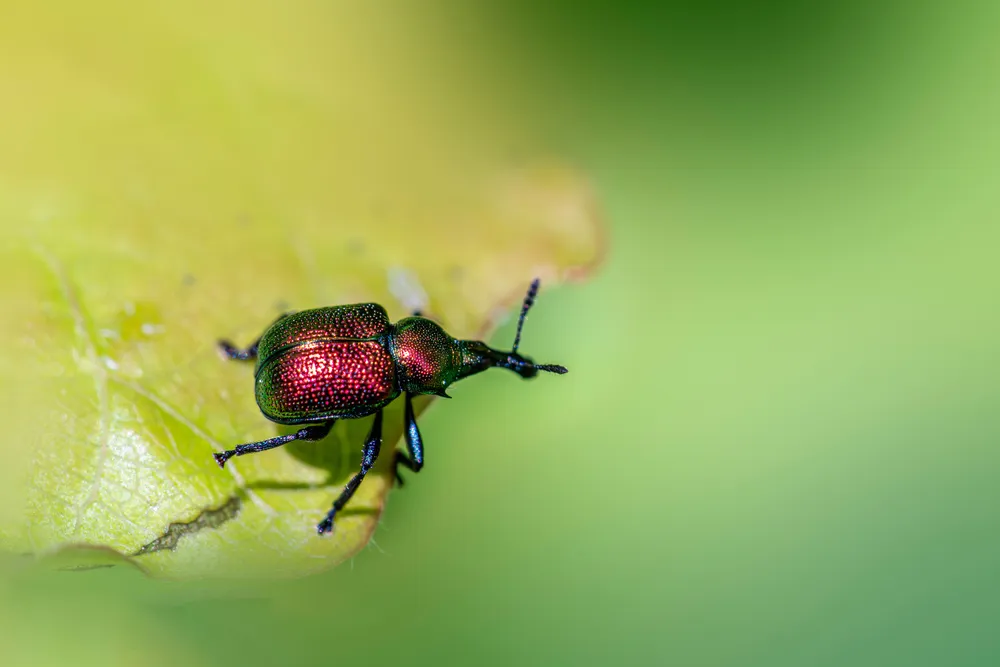
RNAi Could Enhance the Efficacy of Viral Bioinsecticides Against Pests
Researchers demonstrate that it is possible to increase the virulence of a baculovirus used in biocontrol by combining it with an RNA interference strategy. This approach could help overcome one of the main barriers to the development of bioinsecticides: their slower action compared to chemical insecticides.
Source: Agropages, published under the title "Cell autophagy promotes nucleopolyhedrovirus infection in th..." - 14 July 2026
Read more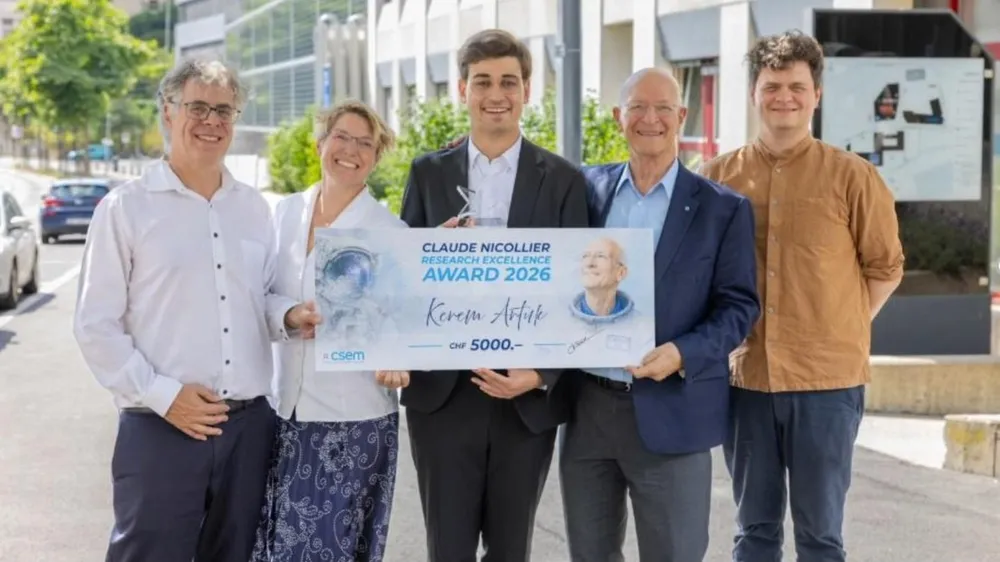
Photovoltaics: A World Record of Over 30% Energy Conversion Efficiency for a Perovskite-Silicon Triple Junction Solar Cell
Kerem Artuk, former member of PVLAB and now R&D engineer in sustainable energy at CSEM (Swiss Center for Electronics and Microtechnology), has been honored with the Claude Nicollier Award for his contribution to a perovskite-silicon triple junction solar cell, achieving an energy conversion efficiency exceeding 30%. This project, carried out in collaboration with EPFL (École Polytechnique Fédérale de Lausanne) and other partners, marks a significant advancement towards next-generation photovoltaic technologies.
Source: Epfl, published under the title "Kerem Artuk, PVLAB Phd, receives the Claude Nicollier Resear..." - 13 July 2026
Read more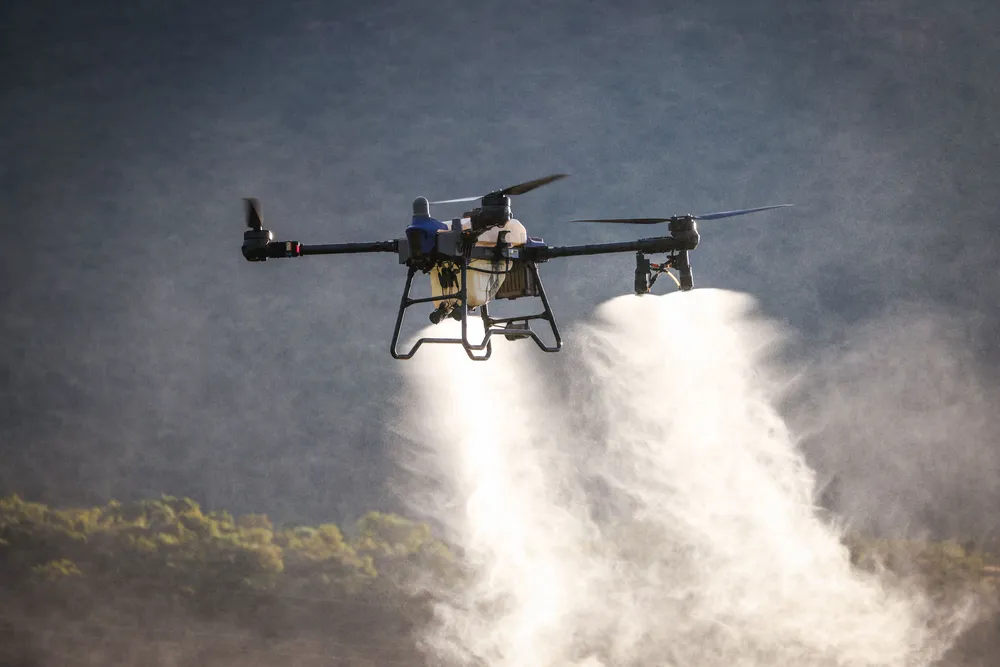
Drone Spraying: Best Practices for Successful Fungicide Applications
The use of drones for fungicide application in field crops offers significant advantages, including access to difficult areas and the ability to treat localized zones. However, applicators must navigate a complex regulatory framework that requires an understanding of state-specific regulations and licensing requirements, adapting their techniques based on flight conditions and drone characteristics.
Source: Agropages, published under the title "Best practices for foliar fungicide applications with spray ..." - 13 July 2026
Read more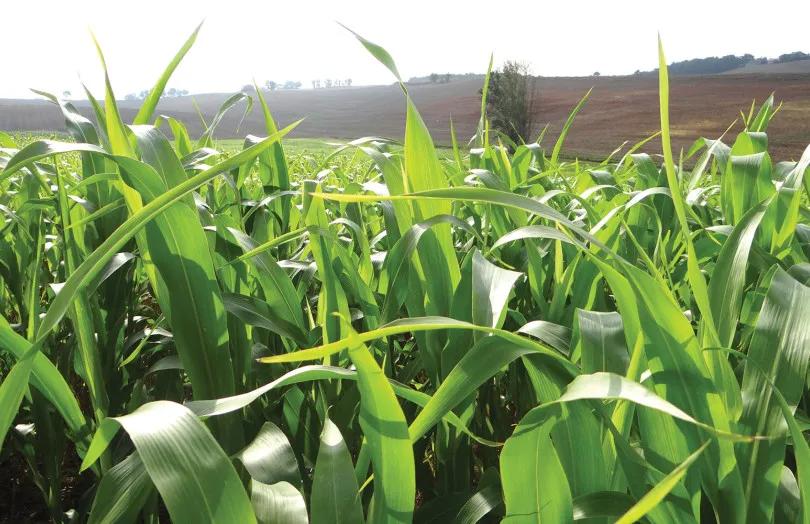
Drought: How to Decide on Early Harvesting of Forage Corn Based on Field Conditions
In the face of water stress affecting Western France, the temptation to harvest forage corn early is gaining traction. However, experts remind us that the decision should be based on a precise agronomic diagnosis, as crops still retain, in many cases, a recovery potential if weather conditions improve. Farmers are advised to wait until the end of flowering to assess grain viability, while remaining vigilant for cases requiring early harvest to preserve forage quality.
Source: Arvalis, published under the title "Récolte du maïs : pas avant la fin floraison" - 11 July 2026
Read more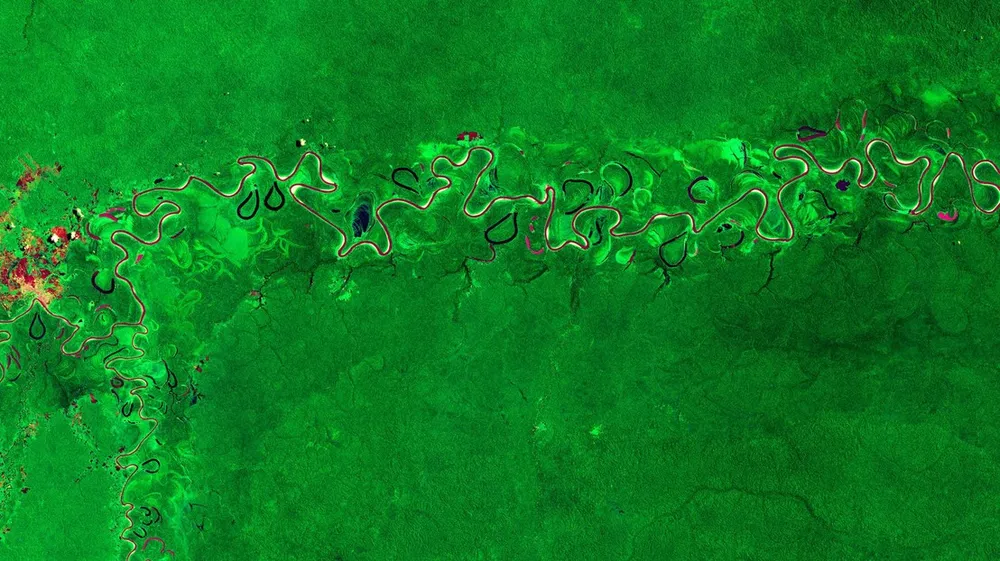
Satellite Assessment of Plant Thermal Stress Reveals Climate Change Reduces Tropical Forests' CO₂ Capture
Source: Epfl, published under the title "Heatwaves hinder photosynthesis" - 9 July 2026
Read more
United States: Investment Slows, AI Struggles to Win Over Farmers
The Purdue Agricultural Economic Barometer, a gauge of American farmer confidence, reveals major concerns regarding input costs and low crop prices. While few farmers see an improvement in their financial situation, the adoption of AI technologies in agriculture elicits mixed opinions, highlighting ongoing challenges in the sector.
SEPEHR ACHARD, Source: Igronews, published under the title "Farmer Sentiment Falls to 113 in June as Input Cost Concerns..." - 8 July 2026
Read more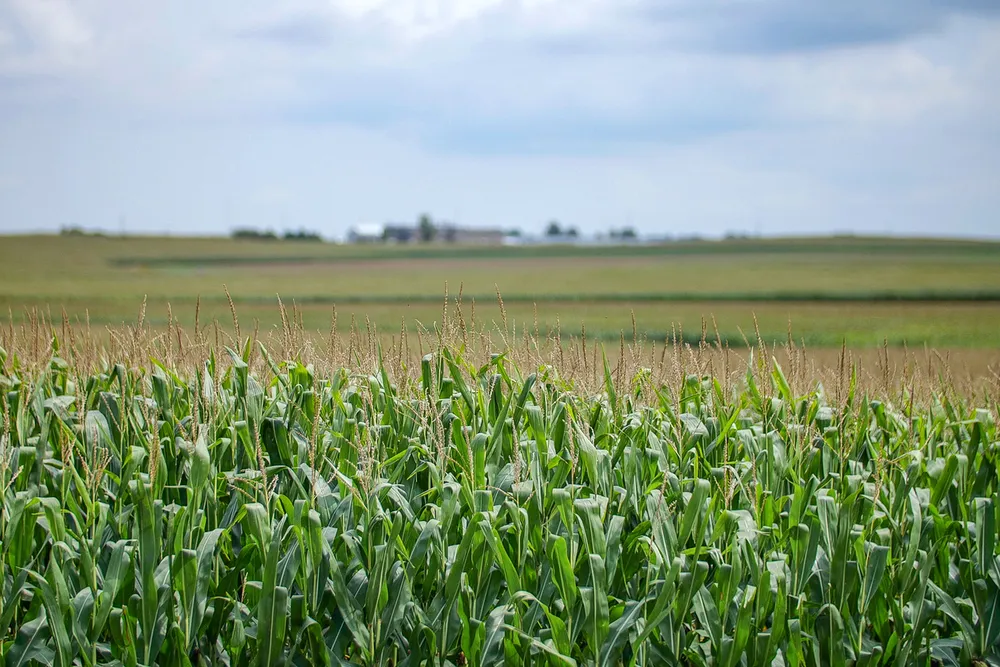
Regenerative Agriculture: Major Corporations' Commitments Still Lack Credibility, Says FAIRR
The FAIRR global investor network report highlights that despite a 63% increase in mentions of regenerative agriculture from 2023 to 64% in 2026, corporate commitments often remain vague and poorly quantified. While the measurement of outcomes is improving, companies must demonstrate transparency regarding their goals and actual impacts to enhance the credibility of their initiatives.
Jennifer Marston, Source: Agfundernews, published under the title "Ambition still outweighs substance for most corporate regen ..." - 8 July 2026
Read more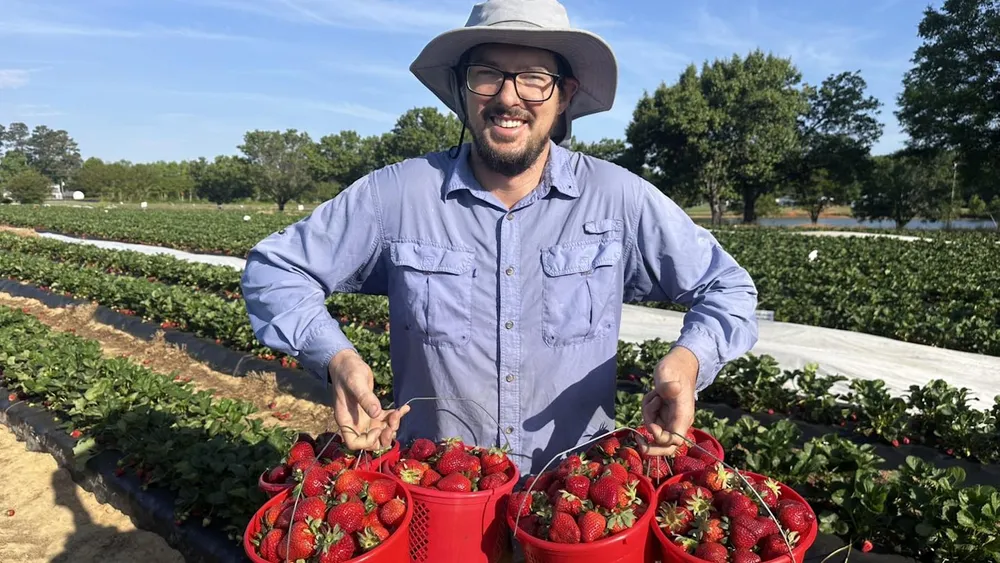
Strawberry: AI Detects Fungi Before Symptoms Appear, Enabling Early Crop Protection
Researchers at the University of North Carolina have developed an AI-powered early detection system for the Neo-P pathogen, which threatens the strawberry industry in the state. This innovative system allows for rapid, non-destructive identification of infections before visible symptoms appear, providing a solution for producers facing significant financial losses. The study also emphasizes the need for an integrated management approach to combat this growing threat.
SEPEHR ACHARD, Source: Igronews, published under the title "NC State Researchers Develop AI-Powered Early Detection for ..." - 2 July 2026
Read more
The Farmer of Tomorrow Will Also Be a Manager, Climatologist, and Agronomist
Source: Chambres D'agriculture France, published under the title "NOTE DE CONJONCTURE GRANDES CULTURES DE JUIN 2026" - 2 July 2026
Read more
Swiss Professor Awarded European Grant for Food Waste to High-Performance Packaging Project
Professor Francesco Stellacci from EPFL (École polytechnique fédérale de Lausanne) has been awarded an ERC (European Research Council) grant for his innovative project on multilayer films made from natural proteins, aimed at replacing synthetic plastics. This project addresses sustainability challenges by focusing on developing high-performance materials from food waste, with potential applications in single-use food packaging.
Source: Epfl, published under the title "Francesco Stellacci wins ERC Proof of Concept Grant" - 1 July 2026
Read more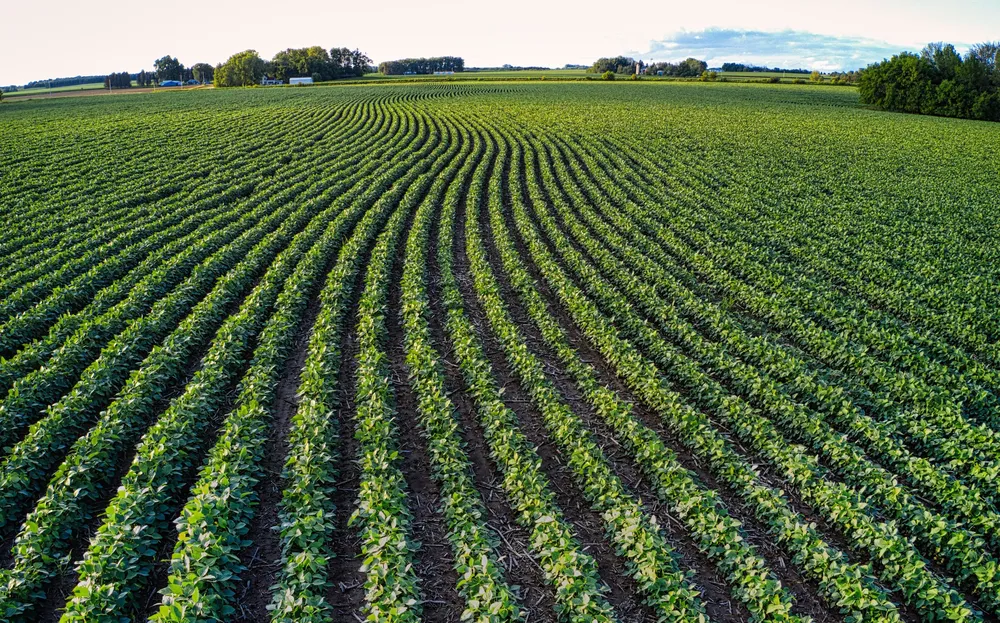
Des scientifiques ciblent les nématodes à kystes de soja en coupant leur approvisionnement alimentaire
Face aux pertes de rendement causées par les nématodes à kystes de soja, des chercheurs explorent de nouvelles stratégies de lutte en ciblant les protéines effectrices qui permettent aux parasites de se nourrir et de se reproduire. Ce projet pourrait mener à des variétés de soja génétiquement modifiées pour résister à ces parasites, tout en préservant la santé et le rendement des cultures.
Source: Agropages, published under the title "Scientists target soybean cyst nematode by cutting off its f..." - 30 June 2026
Read more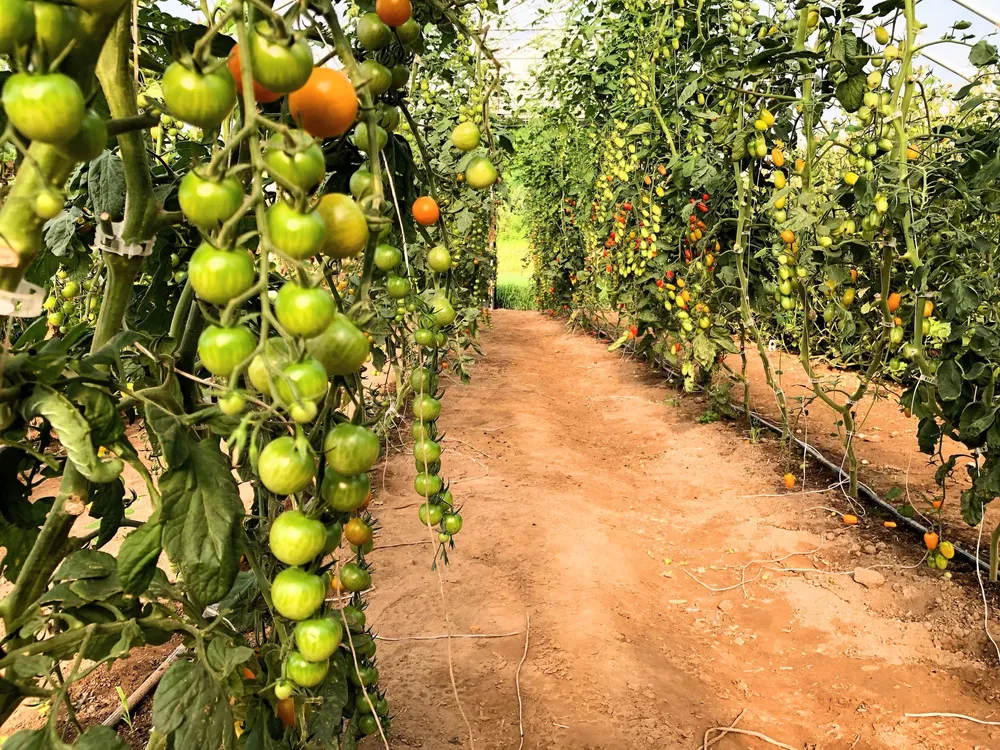
Nematodes: A Garlic-Based Nanoemulsion Outperforms Two Standard Nematicides on Tomatoes
A study published in Scientific Reports presents the development of garlic oil-based nanoemulsions as an ecological alternative to traditional nematicides, in light of increasing restrictions on the latter. The formulations, characterized by small droplet sizes and a stability of 16 weeks, have shown significant efficacy against the nematode Meloidogyne incognita, reducing root gall formation and promoting tomato plant growth.
Source: Agropages, published under the title "Nano-emulsion of garlic oil extracts: development, character..." - 29 June 2026
Read more