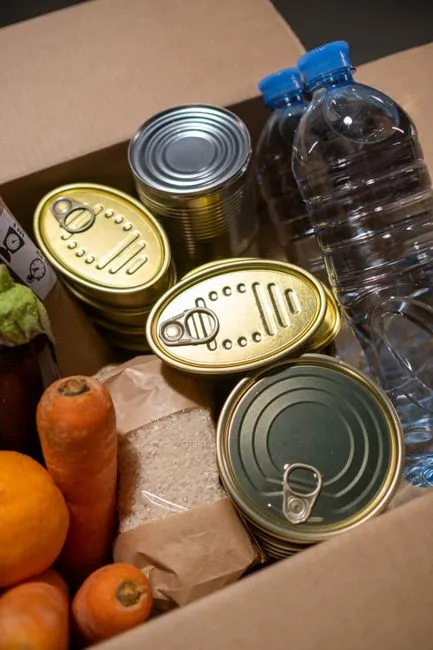
What if Europe drew inspiration from its fight against wildfires to organize its food security? In a note published by the Jean-Jaurès Foundation, agro-economist Frédéric Courleux, European MP and vice-chair of the AGRI committee Éric Sargiacomo, and food systems foresight analyst Sandrine Doppler propose building a European "civil food security." From stockpiling to distribution during crises, they present five proposals to transition from mere reserves to a genuine capacity for action.
Sandrine Doppler, Éric Sargiacomo, Frédéric Courleux - 5 October 2026
Read more
The question raised by experts from the think tank Agriculture Stratégies is far from theoretical: in just eight years, European imports of Chinese tractors have increased sixfold. However, the European market for high-powered machinery still eludes them. The issue lies not in China's industrial capabilities, but in the stronghold of dealership networks. This stronghold may soon give way.
Sandrine Doppler - 29 September 2026
Read more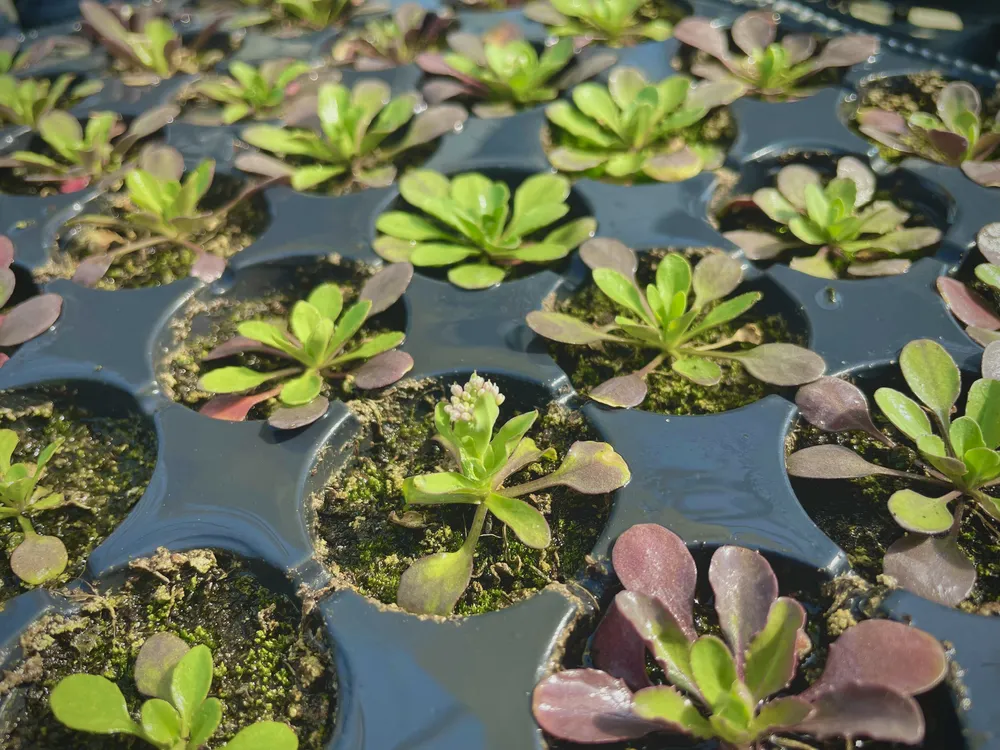
Cadmium, a metal naturally present in the environment, has become an unwanted element in our diet. Revealing an overexposure of the French population, the report published by Anses in March 2026 highlights the need to lower the cadmium levels in food. Solutions are emerging at the intersection of agronomy, genetics, and technology. Here, we review five of them to understand how they can help limit its presence in food.
Aurore Dupont - 13 July 2026
Read more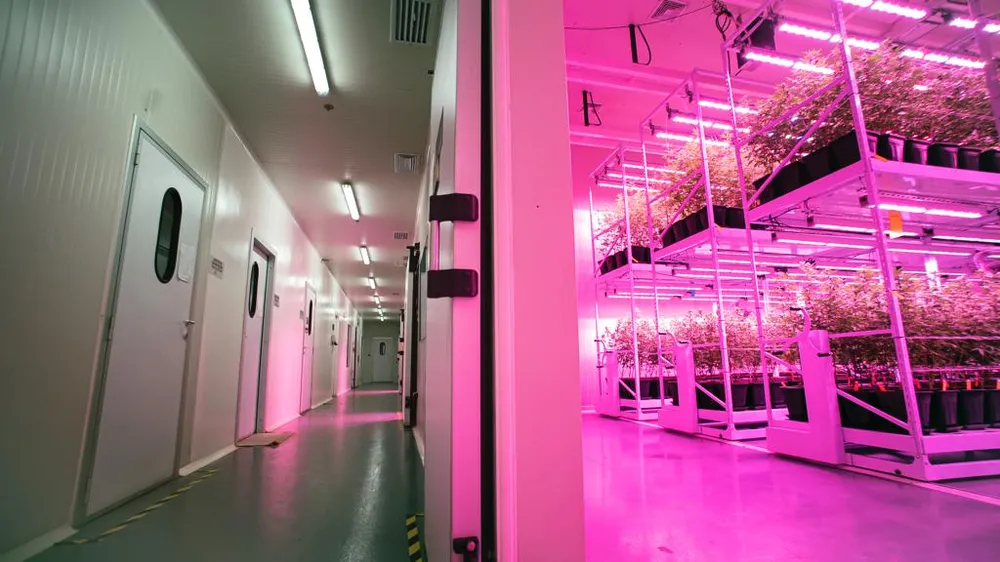
With over 275 tons of medical cannabis exported in 2025, Canada crushes international competition. Germany, whose market is expected to weigh nearly $1.5 billion by the end of 2026 and represent nearly 10% of the estimated $12.7 billion global market, has become one of the main drivers of global consumption growth, thanks to the rise of teleclinics. However, this momentum could be hindered by future regulatory reforms, according to Prohibition Partners, a leading platform dedicated to the professional cannabis market.
Aurore Dupont - 17 June 2026
Read more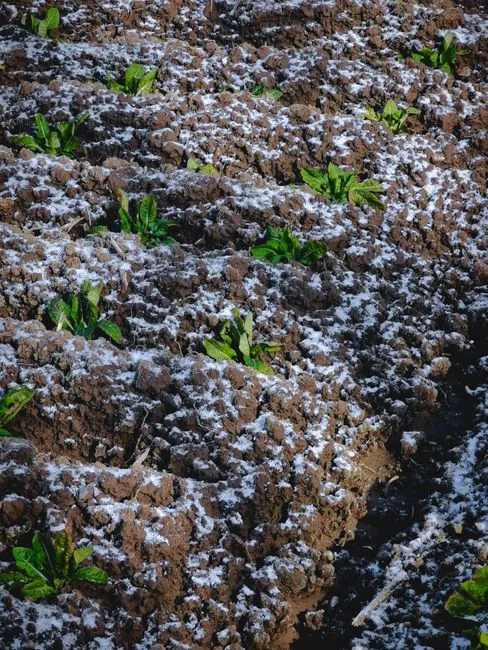
Researchers have developed a simpler and more cost-effective method for measuring DNA-bound phosphorus in soils. Their work highlights a close association between this fraction of phosphorus and soil microorganisms. This methodological advancement could enhance the understanding of the cycle of this essential nutrient for crops and ultimately contribute to more effective management of phosphorus resources.
Source: Agropages, published under the title "New soil test could reveal how soil microbes help feed plant..." - 9 October 2026
Read more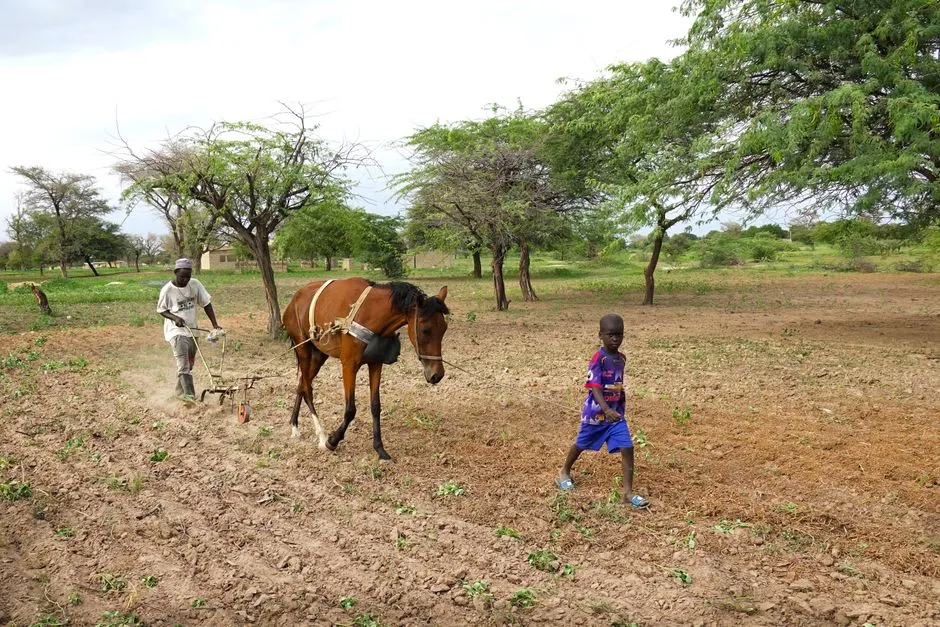
The Tessera artificial intelligence tool, developed at the University of Cambridge, is revolutionizing crop mapping in Senegal, providing an accessible and precise solution for smallholder farms. By enabling better data collection, it could enhance food security in the face of growing climate challenges, particularly during El Niño periods. This technology could transform how governments and NGOs assess agricultural production in developing countries.
Source: Agropages, published under the title "AI tool for mapping smallholder crops proves itself in Seneg..." - 9 October 2026
Read more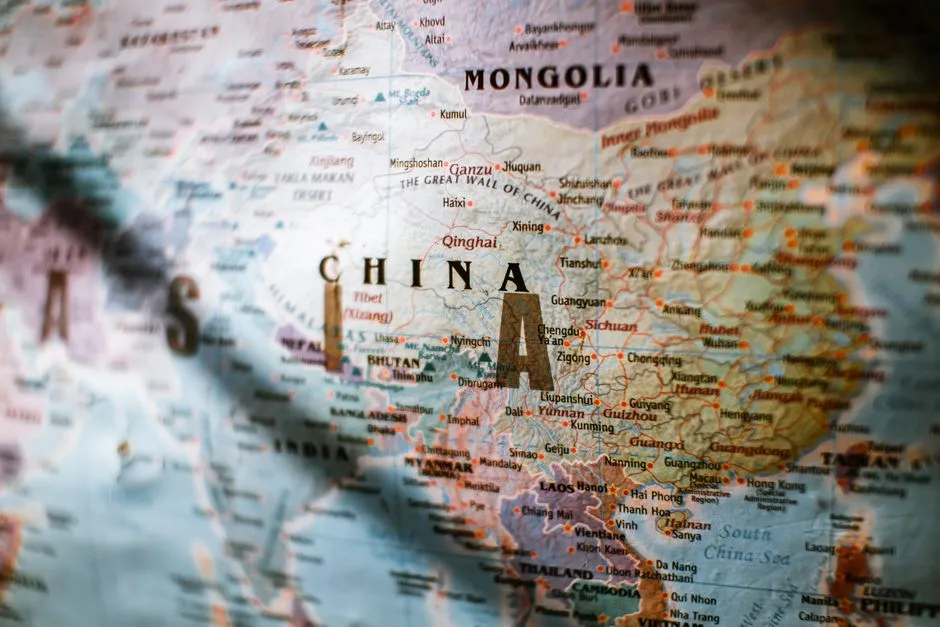
In China, the development of plant biotechnologies faces four major obstacles: insufficient cooperation between public research and businesses, complex authorization procedures, uncertainties regarding intellectual property, and market acceptance challenges. A study advocates for an evolution of the institutional framework to accelerate varietal innovation.
Source: Agropages, published under the title "Researchers recommend policy solutions for bio-breeding bott..." - 9 October 2026
Read more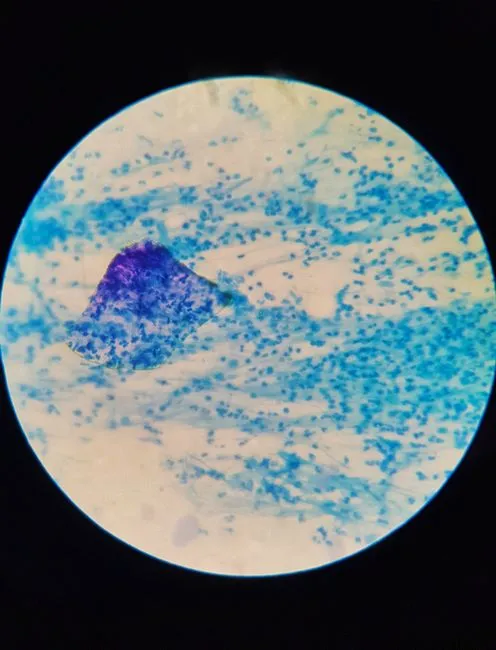
Researchers have discovered that the archaeon Methanocaldococcus infernus, capable of fixing nitrogen at extreme temperatures, could revolutionize biotechnology by reducing reliance on industrial fertilizers. This study reveals common molecular mechanisms in nitrogen fixation, with potential implications for sustainable agriculture and the production of methane and ammonia.
Source: Agropages, published under the title "Deep-Sea microbe’s heat-proof enzyme offers clues for better..." - 6 October 2026
Read more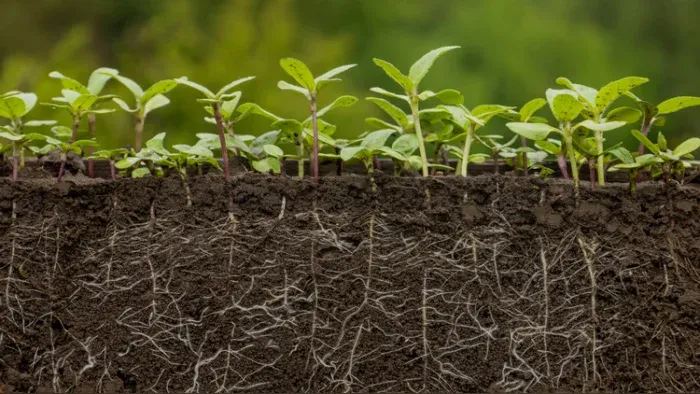
An international study highlights the crucial role of rhizodeposition in the carbon cycle of agroecosystems, accounting for 35% of net inputs. Variations among species underscore the importance of refining carbon accounting tools, although current knowledge does not yet allow for definitive classification of agronomic practices.
Source: Agro Matin, published under the title "Carbone du sol : la rhizodéposition pèse un tiers des apport..." - 6 October 2026
Read more
This study highlights the integration of SAR and optical data for accurate early-season crop classification, demonstrating the effectiveness of machine learning algorithms in precision agriculture. The results, obtained through field samples and data analysis, underscore the importance of these technologies for sustainable agricultural resource management and food security in India.
Source: Springer, published under the title "Improving early season crop type mapping using machine learn..." - 6 October 2026
Read more
The American agricultural trading and processing giant ADM has published its fourth annual report on regenerative agriculture. By 2025, its programs have engaged over 56,000 farmers across 11 countries, covering approximately 1.86 million hectares. The group claims a reduction of 946,000 tons of CO₂e compared to regional benchmarks. Its partnerships with PepsiCo, Mars, and other industry players aim to accelerate the adoption of regenerative practices by combining technical support, financial incentives, and market opportunities.
Source: Agropages, published under the title "ADM’s fourth annual regenerative agriculture report highligh..." - 29 September 2026
Read more
The white paper from Incotec and Croda Agriculture explores how artificial intelligence is transforming agricultural innovation, drawing on contributions from experts in agricultural sciences and AI. It highlights the organizational changes necessary to integrate AI at scale and enhance productivity while preserving ecosystems.
Source: Agropages, published under the title "Incotec and Croda release white paper on artificial intellig..." - 22 September 2026
Read more
As Europe has just adopted its new framework on new genetic techniques (NGTs), Inf’OGM has unearthed a report published in 2023 by the U.S. Department of Agriculture (USDA) regarding competition in the seed sector. The document already highlighted the tensions between intellectual property, innovation, competition, and access to seeds.
Source: Info Ogm, published under the title "NTG et brevets : l’UE a choisi d’ignorer le précédent étasun..." - 16 September 2026
Read more
The adoption of artificial intelligence by farmers is experiencing a significant increase as they seek to optimize their operations after years of budget constraints. McKinsey highlights that 17% of global farmers are now using generative AI, marking a significant trend in the agricultural sector in the face of high input costs and local political uncertainty.
Source: Agropages, published under the title "Farmers are embracing AI more than any other tech, McKinsey ..." - 16 September 2026
Read more