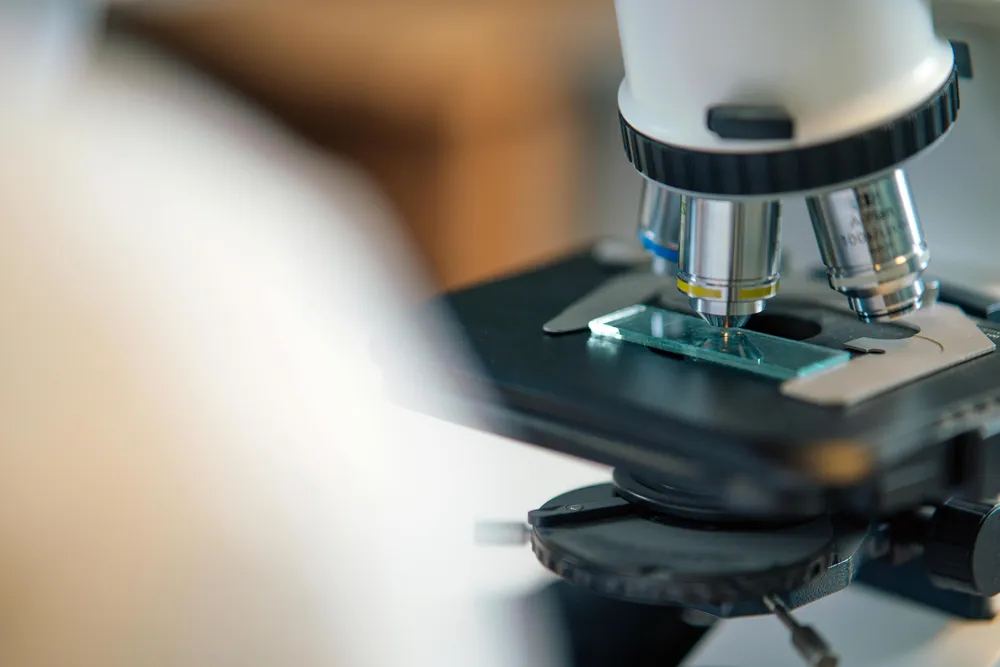
A recent study reveals that Hypocreales fungi, in symbiosis with plants, could provide a natural alternative to synthetic pesticides that help combat pests. Four biosynthetic pathways for fungal compounds with promising biocontrol properties have been proposed. Researchers identified over 5000 gene groups in the production of natural compounds, of which 80% are unknown.
Source: Agropages, published under the title "Scientists unlock fungi's secret chemistry, offering a green..." - 11 May 2026
Read more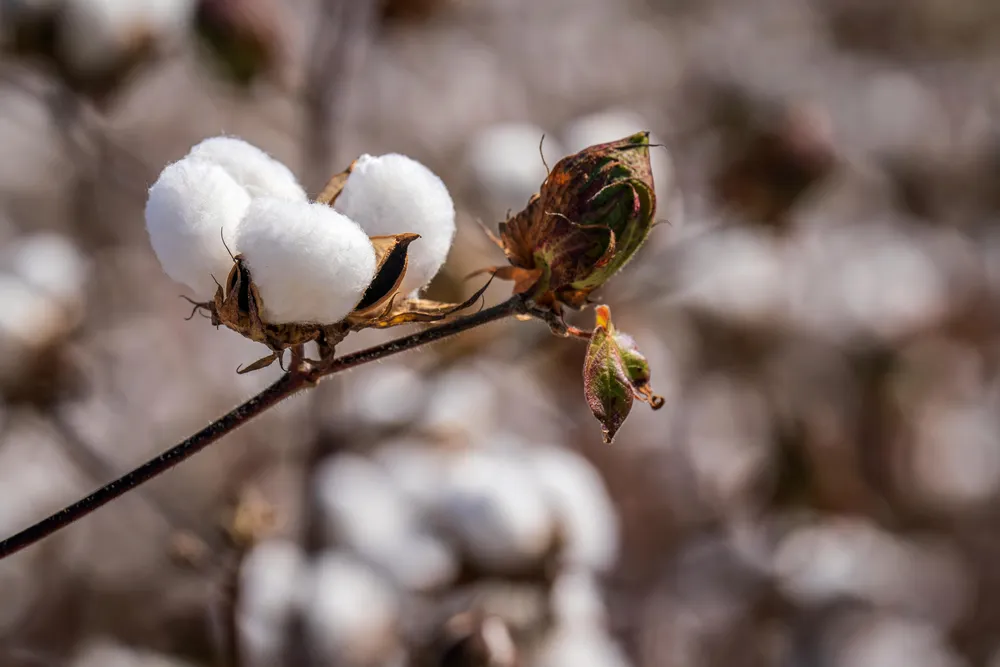
Cotton fusarium severely compromises yields and crop quality. A recent study developed an eco-friendly seed coating agent (DIF) based on Difenoconazole, replacing toxic formulations. Trials demonstrated a 98.67% effectiveness against fusarium, while enhancing seedling growth and cotton yield, without negatively impacting fiber quality.
Source: Agropages, published under the title "Development and application of a novel eco-friendly seed coa..." - 8 May 2026
Read more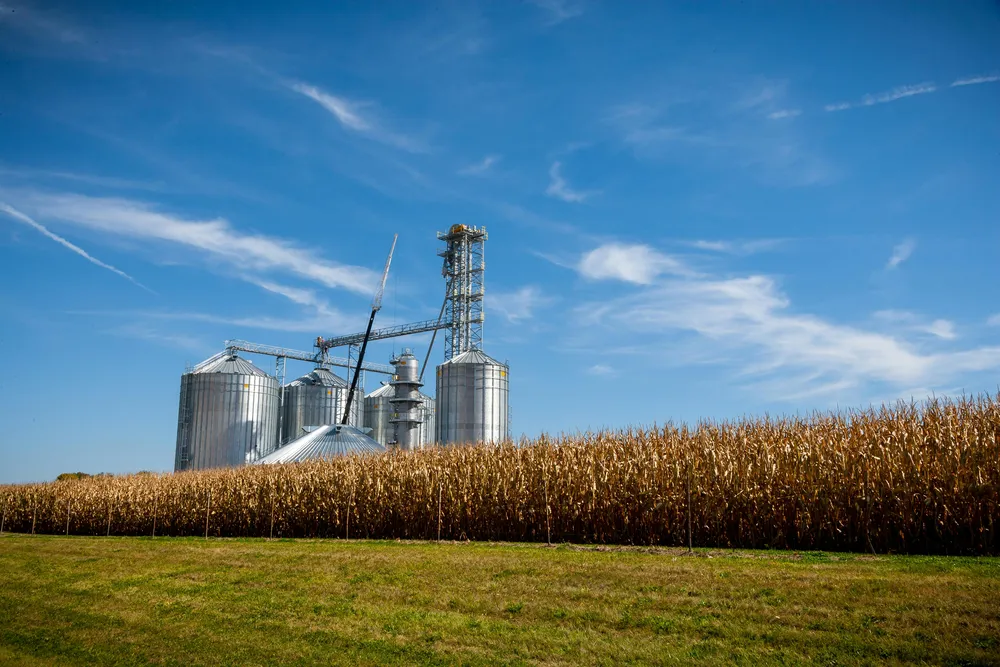
The agricultural input distribution sector in Brazil faces challenges similar to those in the food retail sector, with integration errors and a dominance of regional players who have deep knowledge of their customers. The lessons learned emphasize the importance of local knowledge, cultural integration, and revenue diversification to succeed in a changing market.
Source: Agropages, published under the title "The Script Was Already Written. Brazil's Ag Input Retail Nev..." - 8 May 2026
Read more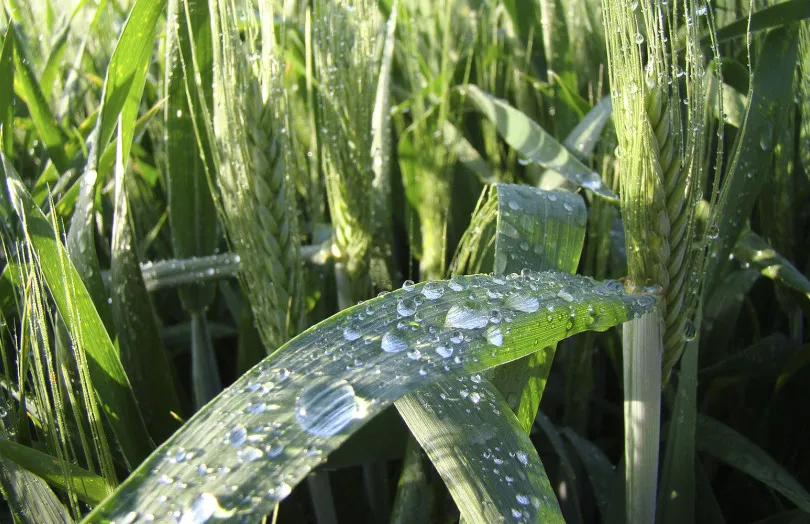
Wheat flowering is a critical period for contamination by fusariosis, a group of fungal diseases that can affect both yield and grain quality. In contrasting weather conditions, between rainy episodes and thermal stress, diagnosing symptoms observed in the field becomes particularly complex, blending real diseases with physiological disorders. Understanding risk factors, distinguishing the origins of symptoms, and correctly positioning fungicide interventions are essential to preserve crop potential, especially against the risk of mycotoxin production such as DON. Hard wheats require systematic protection, while soft wheats must be assessed according to a risk grid to maintain yield and quality.
Source: Arvalis, published under the title "Pluies à la floraison des blés : prévoir une protection fong..." - 7 May 2026
Read more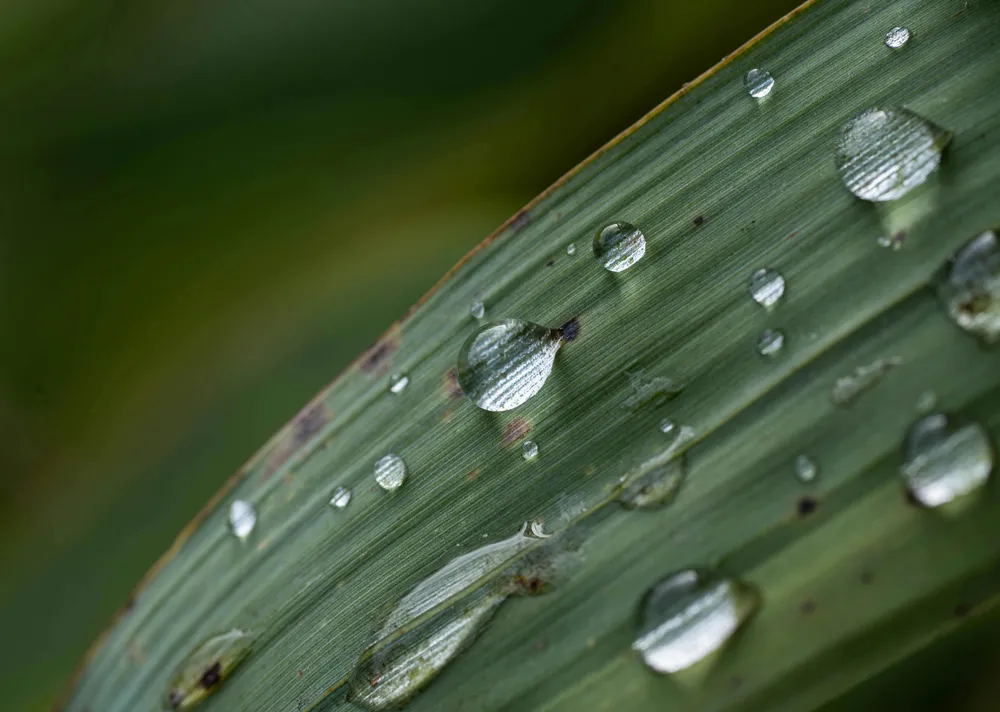
A study evaluated the foliar application of biopesticides by analyzing the droplet sizes produced during spraying. The range of 100 to 300 μm, deemed optimal for leaf penetration and microorganism viability, was examined based on different types of hydraulic nozzles and application pressures. Results show that these parameters significantly influence droplet distribution. Despite slight variations from water, biological solutions remain suitable for effective foliar application with conventional equipment.
Source: Agropages, published under the title "Droplet size distribution characteristics of Bacillus thurin..." - 7 May 2026
Read more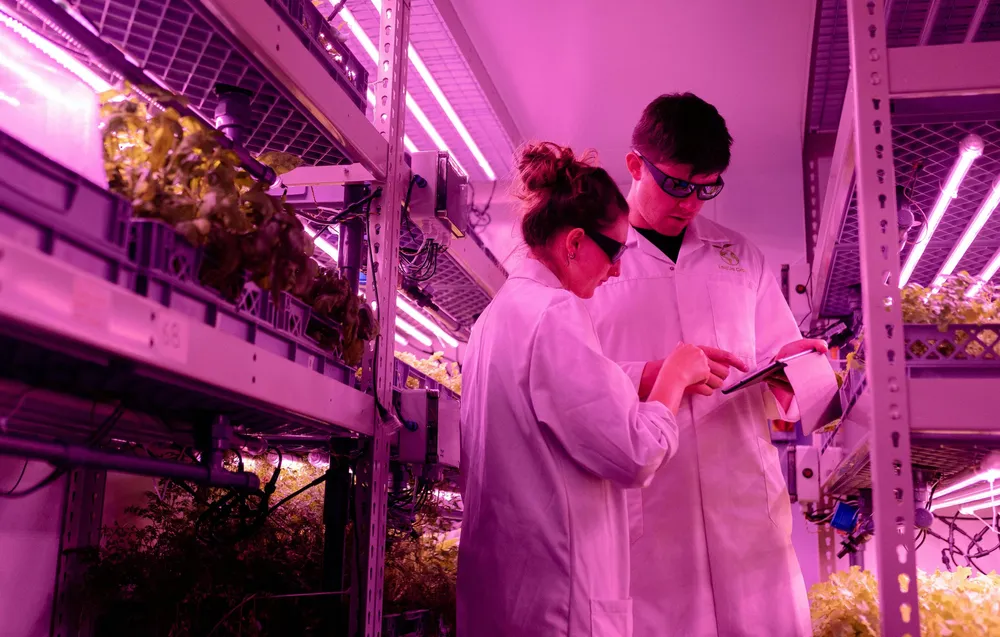
At the NewAG International Annual 2026 session, DunhamTrimmer highlighted a transformation in input markets, where growth persists but becomes more complex to capture. Innovation is shifting towards advanced delivery systems and biological integration rather than just nutrients. Companies must navigate an uneven market, where the ability to demonstrate return on investment and integrate into real agricultural systems becomes crucial to capture value.
Source: Agropages, published under the title "Growth becomes more selective in biologicals and specialty f..." - 7 May 2026
Read more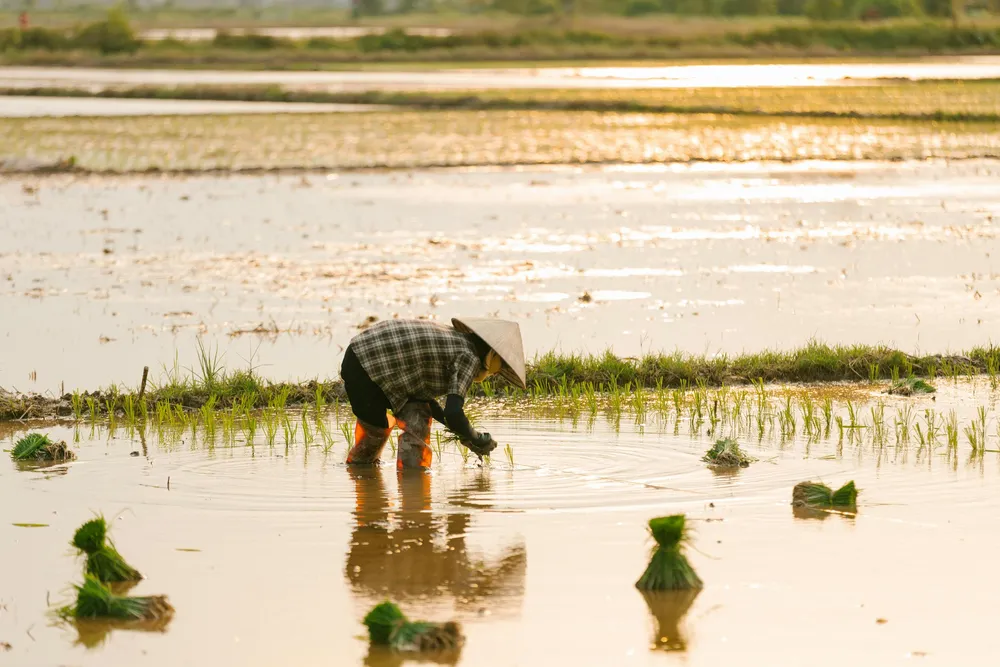
In the face of growing climate challenges, an international network of researchers is mobilizing to protect rice, a staple food for over half of the world's population. By exploring root biology and developing heat and salinity-tolerant varieties, this initiative aims to create resilient rice varieties.
Source: Agropages, published under the title "Global research network puts rice roots at the center of cli..." - 5 May 2026
Read more
An international study conducted by researchers at EPFL (École polytechnique fédérale de Lausanne) reveals that the adoption of already available sustainable construction technologies could reduce carbon emissions from building materials, particularly cement and steel, by 73% by 2050. Improvements in the design, production, and recycling of materials are crucial for long-term emission reductions. The production of building materials accounts for up to 17% of global CO2 emissions.
Source: Epfl, published under the title "Construction tech could reduce emissions while supporting gr..." - 5 May 2026
Read more
The FAO (Food and Agriculture Organization of the United Nations) has launched a new data domain on agricultural research and development, revealing that global public spending reached $50.4 billion in 2023. This initiative, covering over 120 member states, highlights the growth in the number of researchers, now totaling 316,000. Asia dominates the agricultural R&D landscape, accounting for 45% of researchers and 48% of spending, while significant variations in investment and research capabilities are observed globally.
SEPEHR ACHARD, Source: Igronews, published under the title "FAO Launches Global Agricultural R&D Database Showing $50.4 ..." - 4 May 2026
Read more
A Texas A&M study reveals that artificial intelligence can accurately predict thrips outbreaks, enabling farmers to anticipate threats before they impact crops. With machine learning models achieving 88% accuracy, researchers demonstrated that AI can analyze thousands of environmental data points to provide localized forecasts and enhance pest management.
Source: Agropages, published under the title "AI-powered forecasts sharpen early warning for destructive c..." - 4 May 2026
Read more