

Our selection of original articlesOur selection
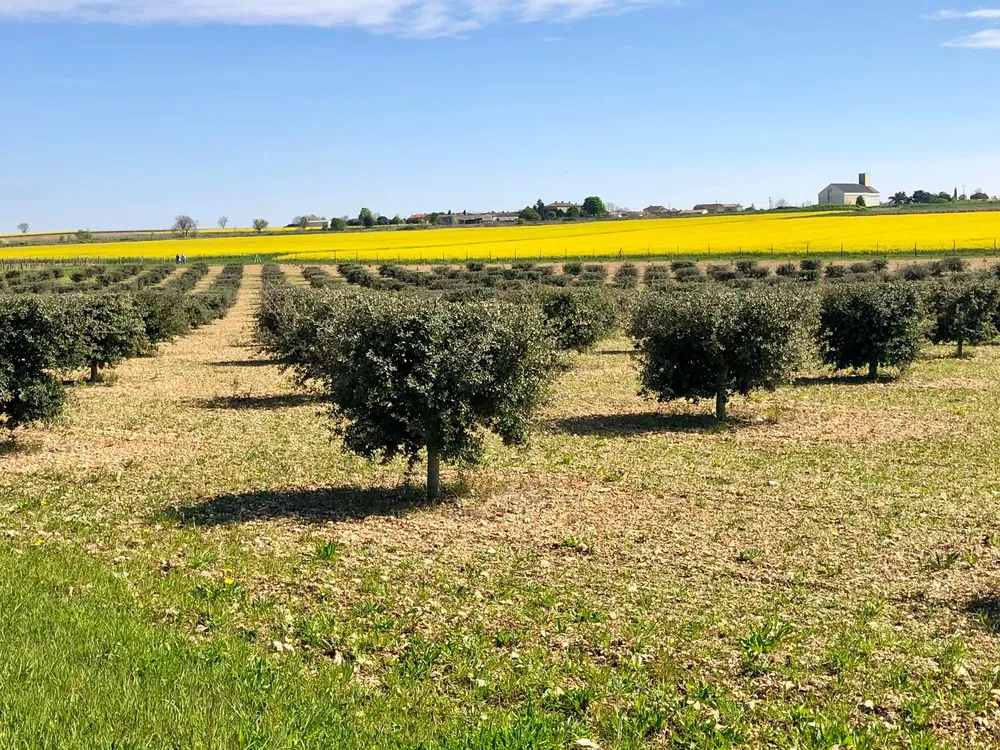
Alphatech Agriculture and Agri-Truffe Join Forces to Lead European Truffle Plant Market
Geneva, Saint-Maixant – Alphatech Agriculture has acquired Agri-Truffe, a French specialist in mycorrhization and truffle plants, with the current management and teams remaining in place. This acquisition marks the beginning of a series of acquisitions by Alphatech Agriculture in Europe, focusing on nurseries that specialize in the selection and propagation of trees and perennial species for forestry and ornamental purposes.
14 October 2026
Read more
Olivier Antoine: A Peaceful Ukraine Could Reshape the European Corn Market
How far could Ukraine reshape the European corn landscape? At the Agridées back-to-school conference, Olivier Antoine, director of ORAE Geopolitics, presented a forward-looking study conducted for AGPM. The analysis covers volumes, costs, processing, and seeds, offering several scenarios to assess the risks for French agricultural sectors.
Anne Barrat - 9 October 2026
Read more
After the Fire: A French Doctrine for Food Security Amid Systemic Crises
What if Europe drew inspiration from its fight against wildfires to organize its food security? In a note published by the Jean-Jaurès Foundation, agro-economist Frédéric Courleux, European MP and vice-chair of the AGRI committee Éric Sargiacomo, and food systems foresight analyst Sandrine Doppler propose building a European "civil food security." From stockpiling to distribution during crises, they present five proposals to transition from mere reserves to a genuine capacity for action.
Sandrine Doppler, Éric Sargiacomo, Frédéric Courleux - 5 October 2026
Read more
Could China Conquer the European Agricultural Machinery Market?
The question raised by experts from the think tank Agriculture Stratégies is far from theoretical: in just eight years, European imports of Chinese tractors have increased sixfold. However, the European market for high-powered machinery still eludes them. The issue lies not in China's industrial capabilities, but in the stronghold of dealership networks. This stronghold may soon give way.
Sandrine Doppler - 29 September 2026
Read more
Wheat: Will the Crisis the Market Fears Actually Happen?
With Odessa bombarded and Ukrainian silos on the brink of saturation, the wheat market has been on high alert for a potential crash since early August. We posed the same ten questions to two veterans of the Black Sea region. While their verdicts differ, their conclusions remain aligned.
Anne Barrat - 25 September 2026
Read more
Wheat: The False Comfort of Global Stocks
Global wheat stocks appear to be comfortable. However, this is an illusion: the majority is held in China and India, while reserves in major exporting countries are at their lowest. Declining harvests, a paralyzed Black Sea, and soaring fertilizer prices are just a few factors that could converge in 2027, putting North African and Middle Eastern importing countries under significant pressure.
Michel J. F. Dubois - 25 September 2026
Read more
How Did Wheat Become an Instrument of Power? Jérémy Denieulle Explains
With strikes on Black Sea ports, the Strait of Hormuz blocked since February, and a Super El Niño forecast for autumn, wheat has become more than ever an instrument of power and influence. While prices rose during the summer, they remain far from the peaks of 2022. Jérémy Denieulle, director of studies at the think tank Agriculture Stratégies, explains this paradox and identifies signals that could reignite the surge.
Anne Barrat - 24 September 2026
Read more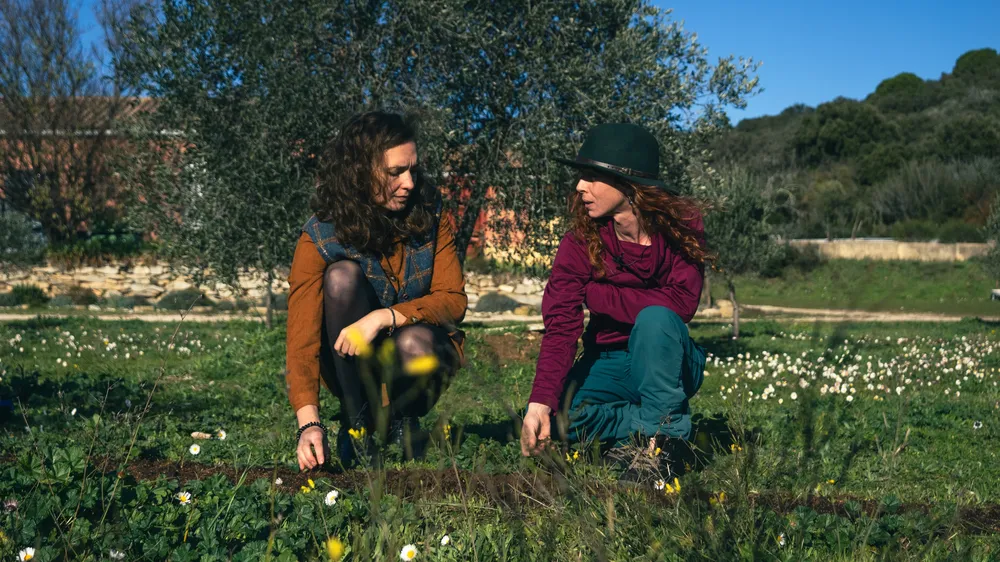
How to Secure Plant Supply Chains? Sophie Dartois: "Reduce Dependence on Distant Ingredients"
What if securing a plant supply chain meant not losing anything at all? The Phocaean Cosmetics has been working for seven years to transform the by-products of its own olive oil mill into cosmetic active ingredients. This innovation highlights its strategy to better control raw materials that are vulnerable to climate change. However, relocating production, warns its CSR manager, Sophie Dartois, cannot be decided solely from the industrial perspective.
Anne Barrat - 22 September 2026
Read more
Low-Carbon Fertilizers: What Challenges Lie Ahead for Scaling Up?
As the world's leading producer of nitrogen fertilizers, Yara inaugurated on September 7 in the Netherlands the largest CO₂ capture and storage (CCS) facility in Europe, which will enable the industrial shift to low-carbon fertilizers. Michael Lepelley, Value Chain Business Development Manager, explains that the real challenge now is not technical but commercial, emphasizing the need to share the additional costs across the entire supply chain.
Anne Barrat - 22 September 2026
Read more
How to Improve the Profitability of a Farm? "By Analyzing Each Plot," Says Olivier Antonin
Relying on economic data that is eighteen months old is still the daily reality for many farmers. This delay is compounded by another blind spot: knowing the yield of a plot is not enough to understand its profitability. An interview with Olivier Antonin, co-founder of Cockpit Agriculture, who aims to provide farmers with new tools to measure, compare, and anticipate.
Anne Barrat - 14 September 2026
Read more
Energy Decline by 2027: Agricultural Costs Under Pressure, Says Patrice Geoffron
Fertilizers, diesel, and gas: European plant sectors will continue to bear the costs of geopolitical tensions this winter. Patrice Geoffron, director of the Center for Geopolitics of Energy and Raw Materials, predicts a relaxation by 2027. However, there will be no return to the pre-crisis world: the situation in Hormuz has permanently altered the price of risk.
Anne Barrat - 4 September 2026
Read more
Fertilizers, Energy, Sovereignty: Agriculture Faces the Permacrisis
Since the beginning of the decade, a series of geopolitical and energy crises, with the closure of the Strait of Hormuz being the latest example, have disrupted a global agricultural order built on cheap dependencies. With each shock, energy and fertilizer prices soar while agricultural prices decline. This serves as a wake-up call: to loosen the grip of dependencies and rethink the conditions for agricultural sovereignty. Economists, agronomists, and entrepreneurs explore potential solutions.
Anne Barrat - 25 August 2026
Read more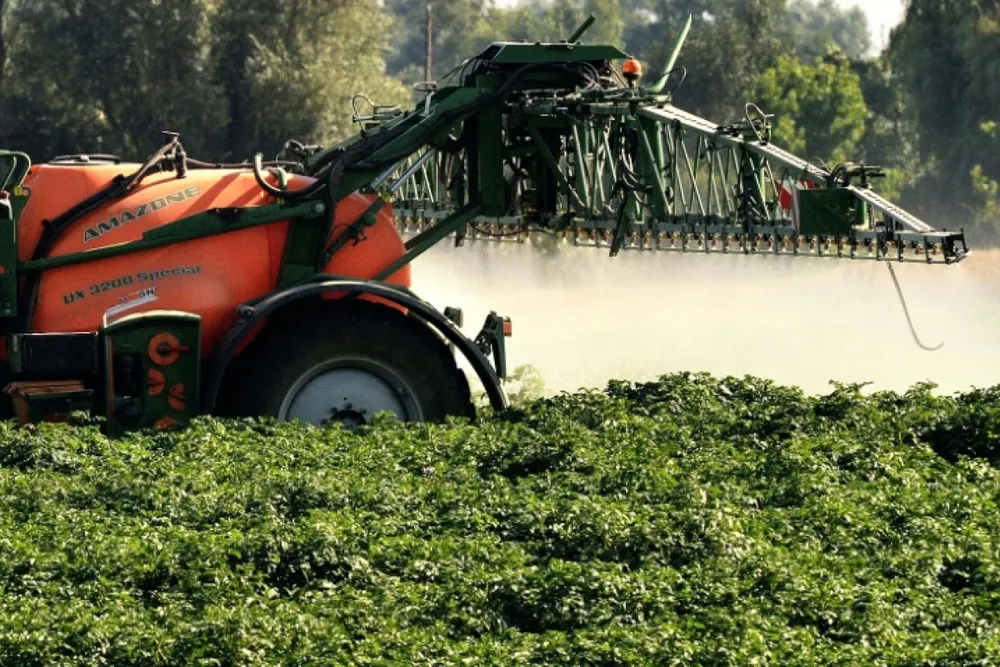
France Approves Controlled Reintroduction of Two Insecticides for Several Agricultural Sectors
FRANCE. By validating the core of the agricultural emergency law, the Constitutional Council paves the way for the implementation of several long-awaited measures by the sectors. The text allows, under certain conditions and temporarily, the reintroduction of acetamiprid for hazelnuts and flupyradifurone for apples, cherries, and sugar beets, to address the lack of effective alternatives.
14 August 2026
Read more
Changing Trees or Management? The Real Battle for Tomorrow's Forests
Over 435,000 hectares have gone up in smoke in the European Union since January: the summer of 2026 has reopened a long-standing question in the forestry world. In the face of climate disruptions, should we change the species in our forests or the way we manage them? Three practitioners respond to this management question, all advocating for a more diverse and patient forestry approach, without always taking the same paths.
Anne Barrat - 12 August 2026
Read more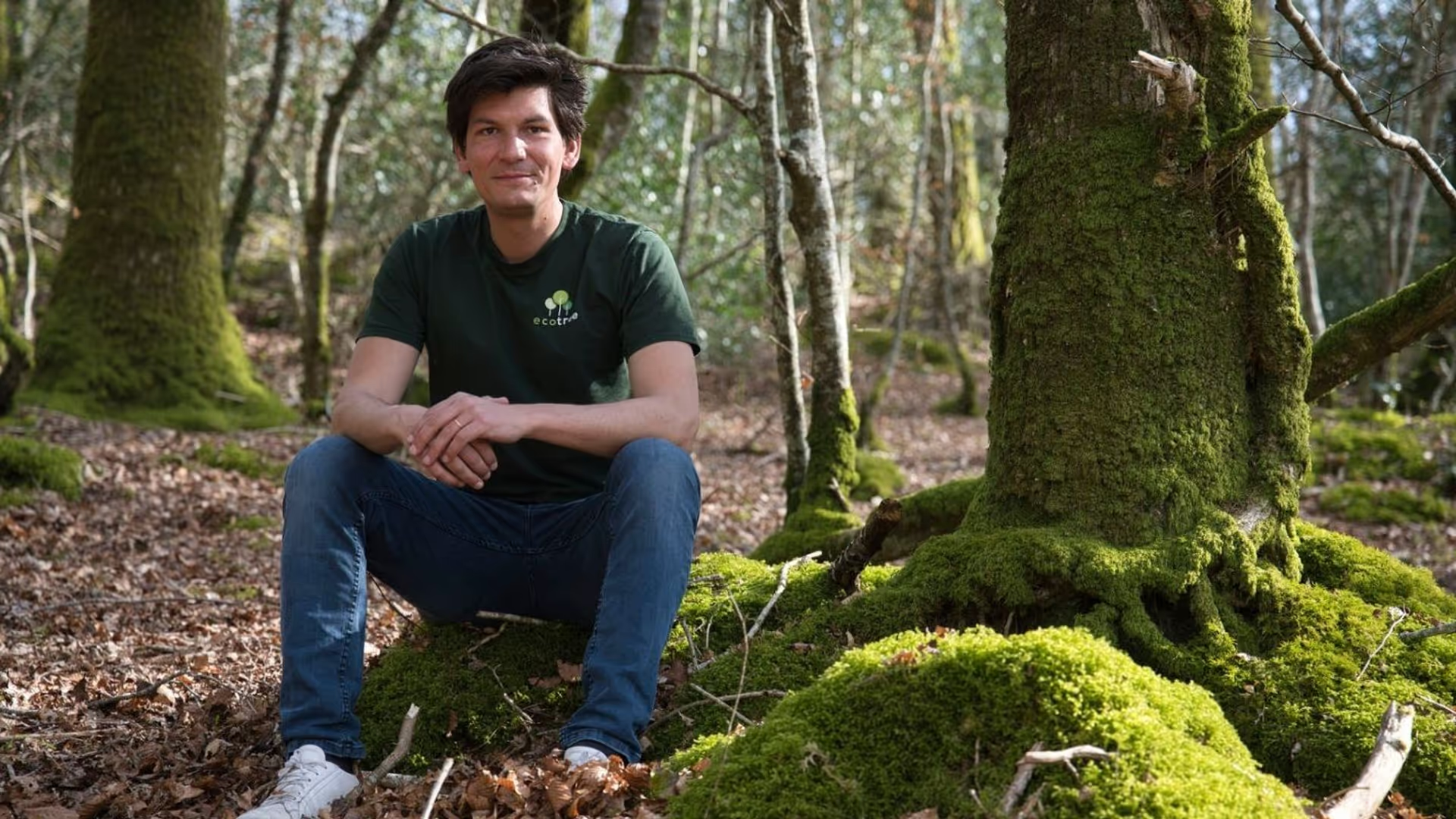
How to Finance Forests? A Combination of Solutions is Essential, Says Erwan Le Méné
The summer wildfires highlight the urgent need to restore forests. But who will pay for it? Carbon credits, tax incentives, biodiversity credits, private capital: in this interview, Erwann Le Méné, co-founder of EcoTree, examines the main financing levers, which are often insufficient or even counterproductive. According to him, nothing will be possible without investors willing to commit for the long term.
Anne Barrat - 12 August 2026
Read more
In the Face of Wildfires, Farmer François Letierce Advocates for Agriculture as the Ideal Firebreak
With each drought episode, the Landes de Gascogne catch fire, raising the recurring question: should we transform this monoculture pine forest, or rethink how to protect it? François Letierce, a farmer based in the heart of the massif, champions a rarely considered solution in the forestry world: cultivated firebreaks over a kilometer wide, maintained by agriculture.
Anne Barrat - 11 August 2026
Read more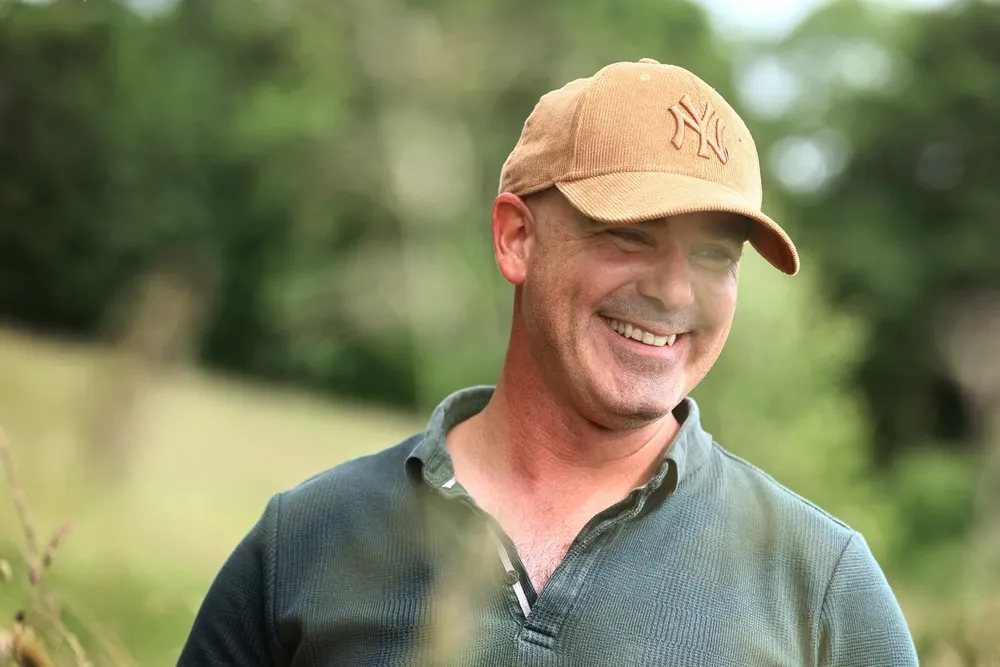
"The Forest of Tomorrow Will Not Look Like Today’s," Warns Passionate Nurseryman Vincent Brunet
The wildfires ravaging Spain, France, and Italy, with a record of over 435,000 hectares burned in the European Union since January, raise a pressing question: Are our forests doomed? Should we change tree species or the way we plant them? Answers emerge in this interview with Vincent Brunet, a nurseryman specializing in oaks, who provides a grounded response that is both concerning and hopeful.
Anne Barrat - 10 August 2026
Read more
Sabine Verley: The Future of Agriculture Lies in Supply Chains, Not Fields
In the face of climate challenges and exhausted markets, isolated farming has no future on its own, warns Sabine Verley. According to this branding expert, agriculture can only thrive through supply chains. This requires thinking of them as ecosystems and knowing how to finance them effectively.
Anne Barrat - 30 July 2026
Read more
Proteins: The Ukrainian Illusion
Published by AgriDées, this viewpoint by Bernard Valluis inaugurates our editorial partnership with the French think tank dedicated to agriculture, food, and territories. The author questions one of the arguments put forward in favor of Ukraine's accession to the European Union: its supposed ability to strengthen the EU's protein autonomy.
Bernard Valluis - 17 July 2026
Read more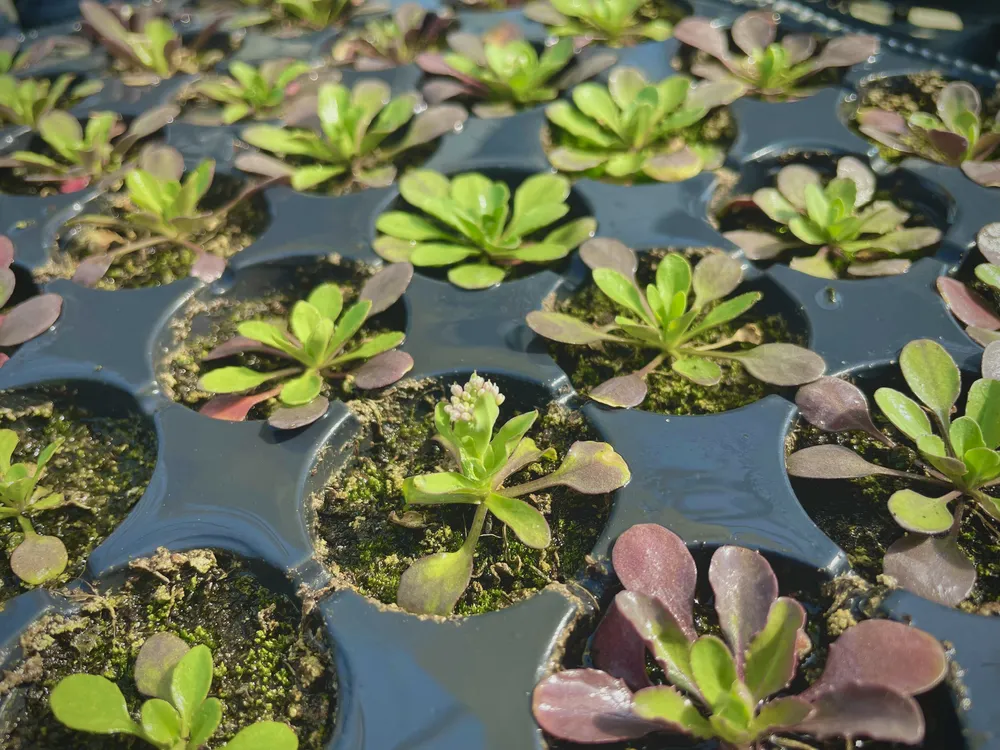
Cadmium in Our Plates: Levers and Innovations to Limit Its Presence in Food
Cadmium, a metal naturally present in the environment, has become an unwanted element in our diet. Revealing an overexposure of the French population, the report published by Anses in March 2026 highlights the need to lower the cadmium levels in food. Solutions are emerging at the intersection of agronomy, genetics, and technology. Here, we review five of them to understand how they can help limit its presence in food.
Aurore Dupont - 13 July 2026
Read more