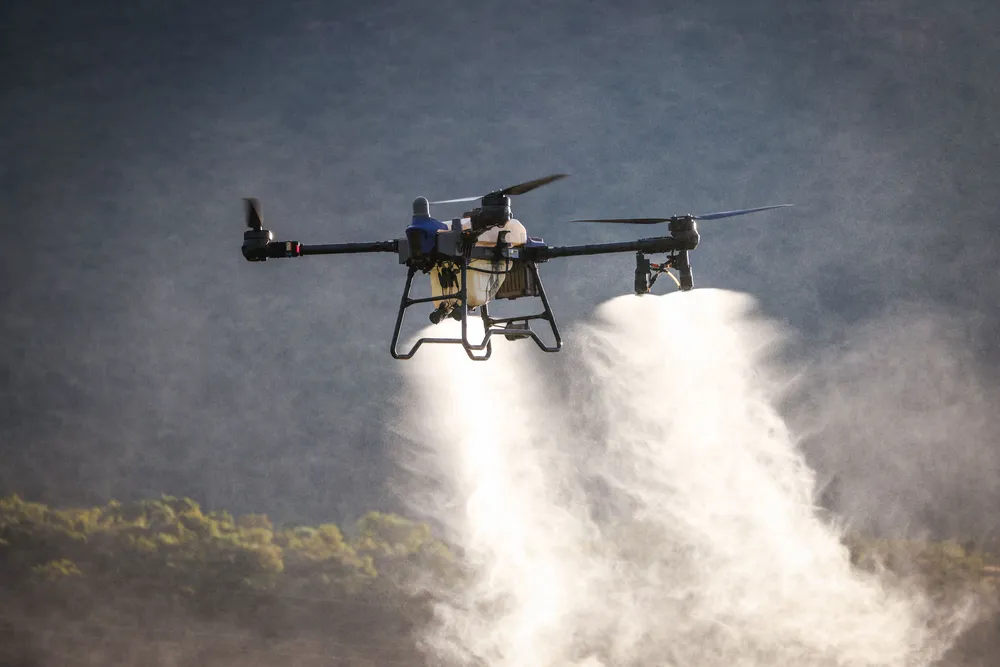
The use of drones for fungicide application in field crops offers significant advantages, including access to difficult areas and the ability to treat localized zones. However, applicators must navigate a complex regulatory framework that requires an understanding of state-specific regulations and licensing requirements, adapting their techniques based on flight conditions and drone characteristics.
Source: Agropages, published under the title "Best practices for foliar fungicide applications with spray ..." - 13 July 2026
Read more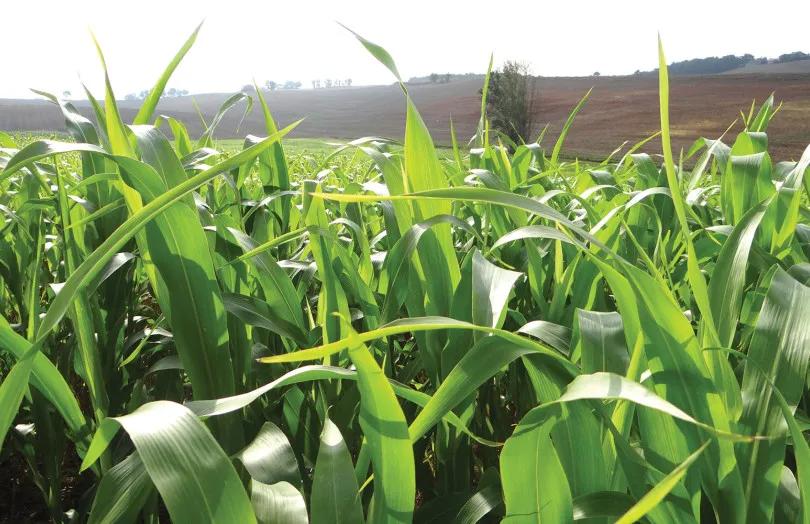
In the face of water stress affecting Western France, the temptation to harvest forage corn early is gaining traction. However, experts remind us that the decision should be based on a precise agronomic diagnosis, as crops still retain, in many cases, a recovery potential if weather conditions improve. Farmers are advised to wait until the end of flowering to assess grain viability, while remaining vigilant for cases requiring early harvest to preserve forage quality.
Source: Arvalis, published under the title "Récolte du maïs : pas avant la fin floraison" - 11 July 2026
Read more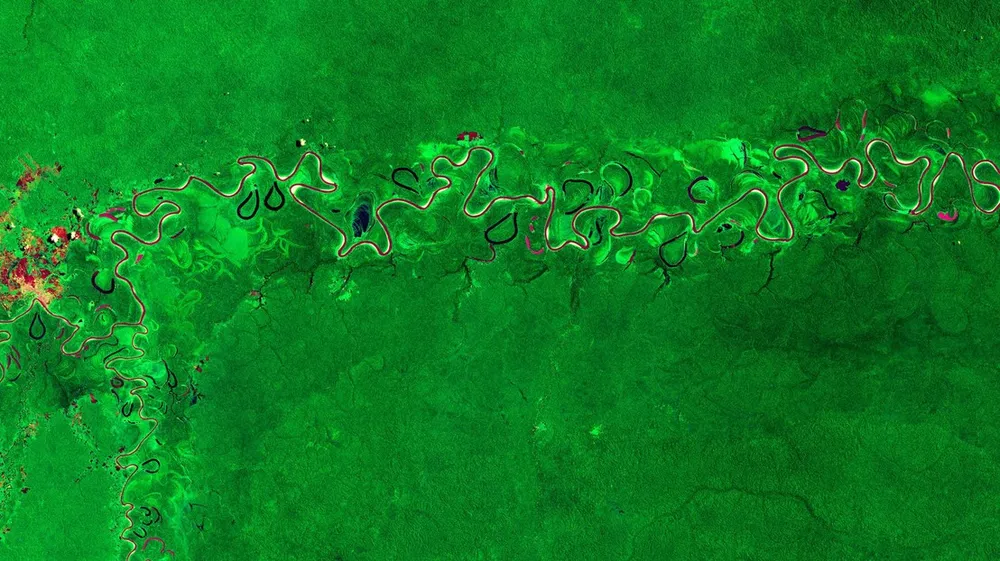
Source: Epfl, published under the title "Heatwaves hinder photosynthesis" - 9 July 2026
Read more
The Purdue Agricultural Economic Barometer, a gauge of American farmer confidence, reveals major concerns regarding input costs and low crop prices. While few farmers see an improvement in their financial situation, the adoption of AI technologies in agriculture elicits mixed opinions, highlighting ongoing challenges in the sector.
SEPEHR ACHARD, Source: Igronews, published under the title "Farmer Sentiment Falls to 113 in June as Input Cost Concerns..." - 8 July 2026
Read more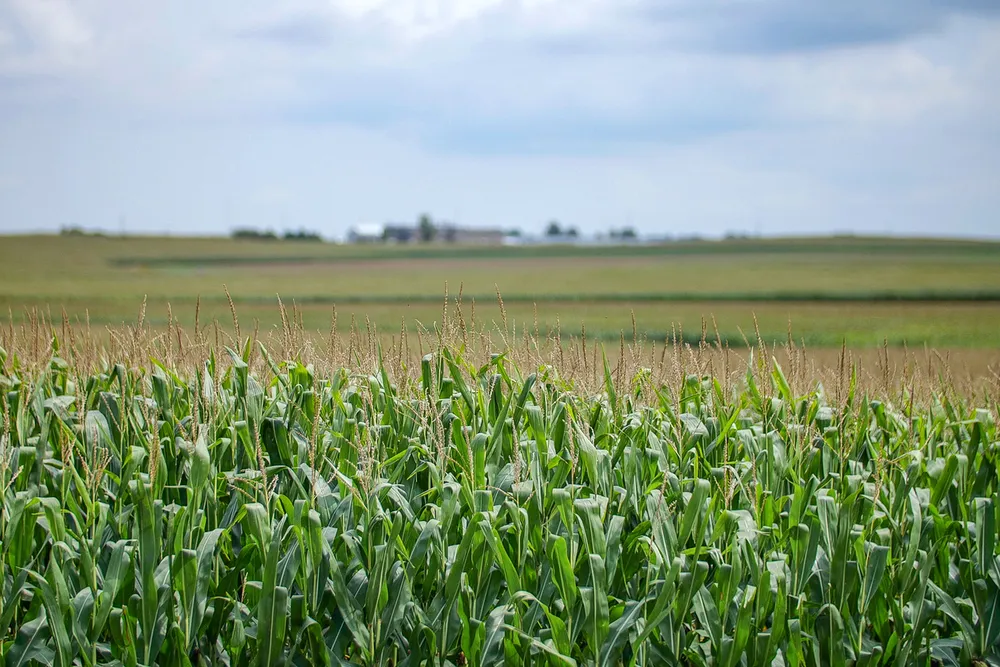
The FAIRR global investor network report highlights that despite a 63% increase in mentions of regenerative agriculture from 2023 to 64% in 2026, corporate commitments often remain vague and poorly quantified. While the measurement of outcomes is improving, companies must demonstrate transparency regarding their goals and actual impacts to enhance the credibility of their initiatives.
Jennifer Marston, Source: Agfundernews, published under the title "Ambition still outweighs substance for most corporate regen ..." - 8 July 2026
Read more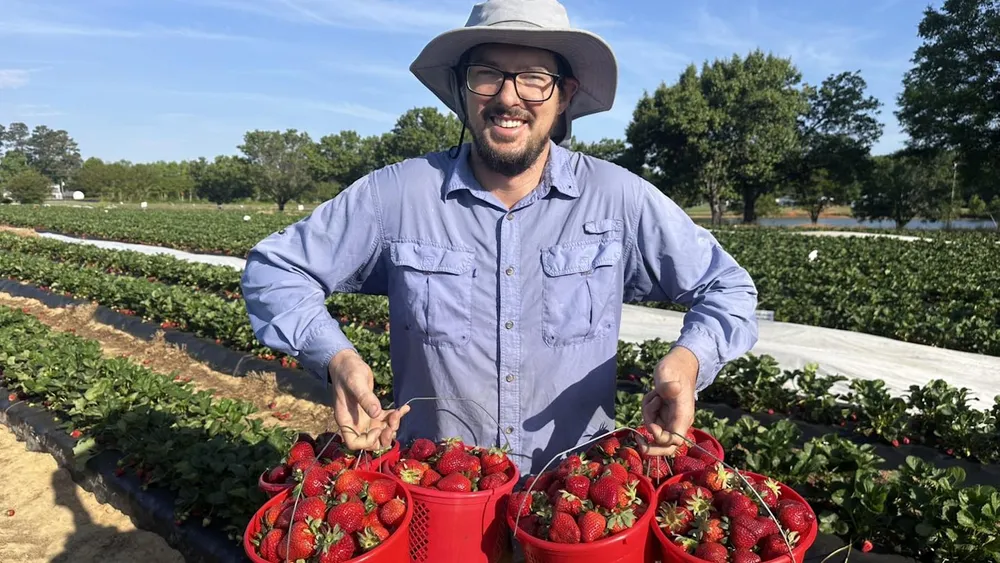
Researchers at the University of North Carolina have developed an AI-powered early detection system for the Neo-P pathogen, which threatens the strawberry industry in the state. This innovative system allows for rapid, non-destructive identification of infections before visible symptoms appear, providing a solution for producers facing significant financial losses. The study also emphasizes the need for an integrated management approach to combat this growing threat.
SEPEHR ACHARD, Source: Igronews, published under the title "NC State Researchers Develop AI-Powered Early Detection for ..." - 2 July 2026
Read more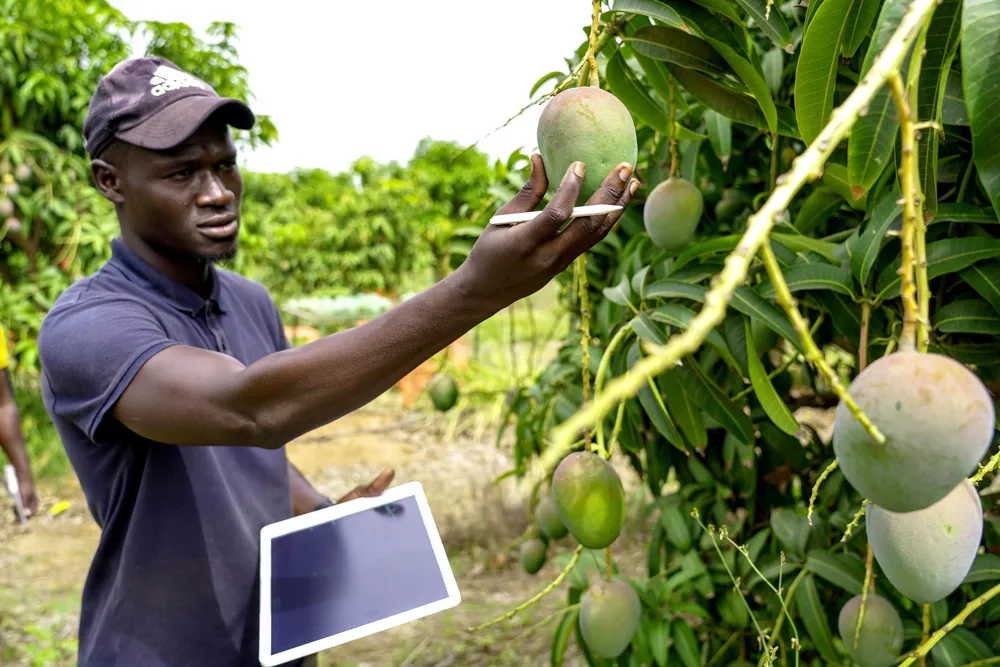
Source: Chambres D'agriculture France, published under the title "NOTE DE CONJONCTURE GRANDES CULTURES DE JUIN 2026" - 2 July 2026
Read more
Professor Francesco Stellacci from EPFL (École polytechnique fédérale de Lausanne) has been awarded an ERC (European Research Council) grant for his innovative project on multilayer films made from natural proteins, aimed at replacing synthetic plastics. This project addresses sustainability challenges by focusing on developing high-performance materials from food waste, with potential applications in single-use food packaging.
Source: Epfl, published under the title "Francesco Stellacci wins ERC Proof of Concept Grant" - 1 July 2026
Read more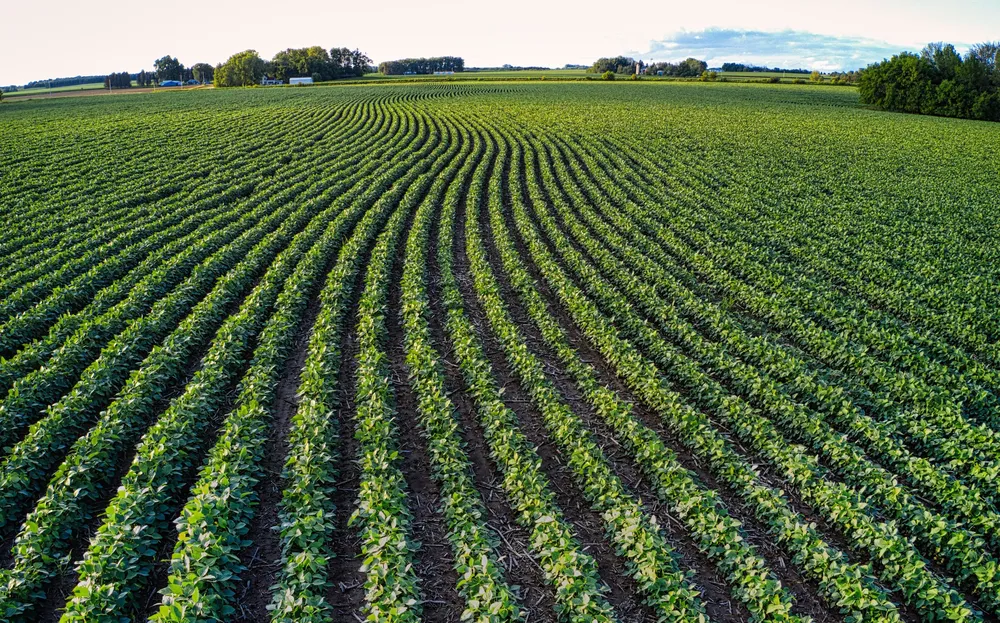
Face aux pertes de rendement causées par les nématodes à kystes de soja, des chercheurs explorent de nouvelles stratégies de lutte en ciblant les protéines effectrices qui permettent aux parasites de se nourrir et de se reproduire. Ce projet pourrait mener à des variétés de soja génétiquement modifiées pour résister à ces parasites, tout en préservant la santé et le rendement des cultures.
Source: Agropages, published under the title "Scientists target soybean cyst nematode by cutting off its f..." - 30 June 2026
Read more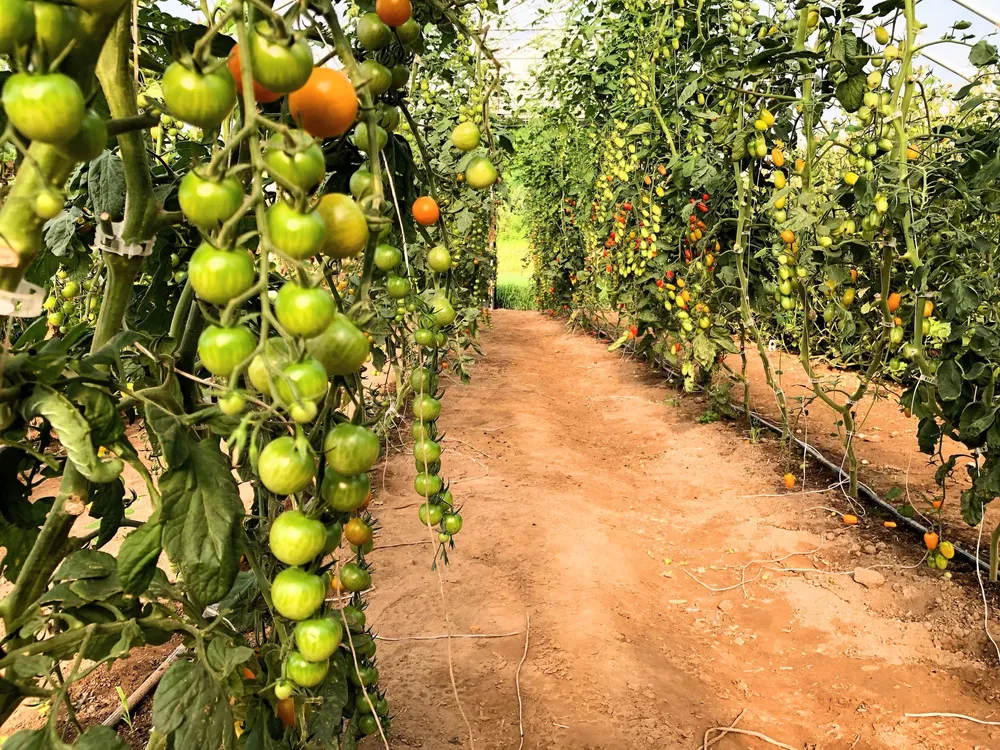
A study published in Scientific Reports presents the development of garlic oil-based nanoemulsions as an ecological alternative to traditional nematicides, in light of increasing restrictions on the latter. The formulations, characterized by small droplet sizes and a stability of 16 weeks, have shown significant efficacy against the nematode Meloidogyne incognita, reducing root gall formation and promoting tomato plant growth.
Source: Agropages, published under the title "Nano-emulsion of garlic oil extracts: development, character..." - 29 June 2026
Read more