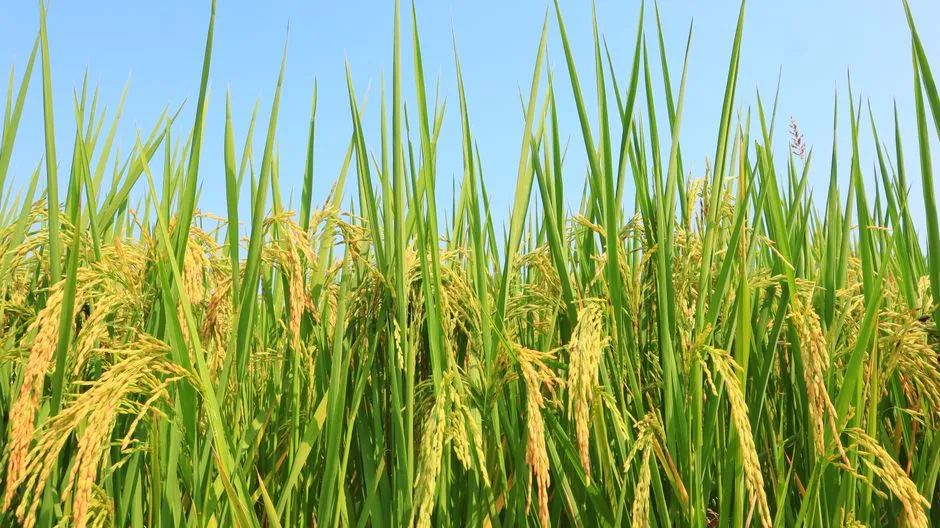
Chinese researchers have successfully reduced the amylose content in rice by modifying the promoter of the Wx gene, which could enhance texture and cooking quality. This innovative approach allows for the creation of new versions of existing genes, providing breeders with more options to optimize rice quality without altering its agronomic characteristics. Preliminary results show significant improvements in the consistency and viscosity of the modified rice, although human sensory evaluations are still needed.
Source: Agropages, published under the title "Scientists fine-tune rice texture using prime editing" - 6 October 2026
Read more
Following its separation from Corteva, Vylor, now listed on the New York Stock Exchange, is committed to innovating in the seed sector with twelve launches planned over the next decade. These initiatives aim to enhance yields and resilience in corn, soybean, and wheat crops. The company is leveraging advanced technologies to address contemporary agricultural challenges.
Source: Wikiagri, published under the title "Vylor finalise sa séparation de Corteva et débute sa cotatio..." - 6 October 2026
Read more
A recent study by INRAE highlights the importance of lipid droplets in plants' response to viral infections, suggesting potential applications for biocontrol and crop health. This advancement could transform our approach to plant diseases by integrating strategies based on the cellular biology of plants.
Source: Inrae, published under the title "Les gouttelettes lipidiques, alliées insoupçonnées d'un viru..." - 6 October 2026
Read more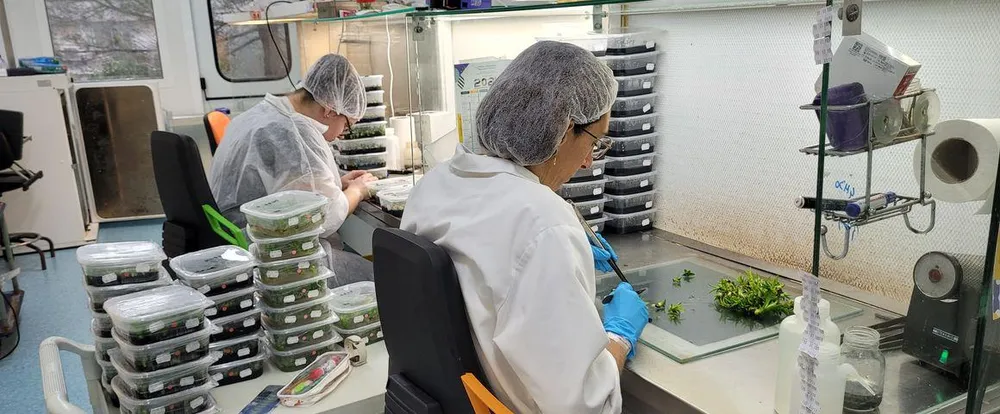
As the first subsidiary established by CIRAD, Vitropic celebrates its 40th anniversary. The company currently produces 7 million vitroplants annually, with 60% being dessert bananas, and exports 95% of its output. It is collaborating with CIRAD on new varietal development projects, particularly focusing on banana resistance to Fusarium TR4 and Cercospora, as well as their adaptation to climate change. Based in Hérault, Vitropic is also expanding its operations in Africa with a subsidiary established in Côte d'Ivoire in partnership with Compagnie fruitière.
Source: Cirad, published under the title "Vitropic, filiale du CIRAD, célèbre 40 ans d’innovation végé..." - 3 October 2026
Read more
The HelEx project aims to develop sunflower varieties suited to changing climatic conditions in Europe by combining traditional breeding and genomic editing. These new varieties, which enhance crop resilience to drought, could reduce dependence on imported oils and meet the growing demand for plant-based proteins. The first harvests are expected by 2028, with potential benefits for farmers and the ecosystem.
Source: Agropages, published under the title "A bright future for drought-resistant sunflowers" - 1 October 2026
Read more
French start-up Plantik Biosciences and Dutch company Hudson River Biotechnology have teamed up to develop strawberries that are more tolerant to high temperatures. Their approach combines artificial intelligence and genomic editing without introducing foreign DNA. The goal is to provide breeders with a heat tolerance trait that is available under license, alleviating the burden of development costs and risks. Validation trials are already underway.
Source: Agfundernews, published under the title "Exclusive: Plantik and Hudson River Biotechnology team up to..." - 29 September 2026
Read more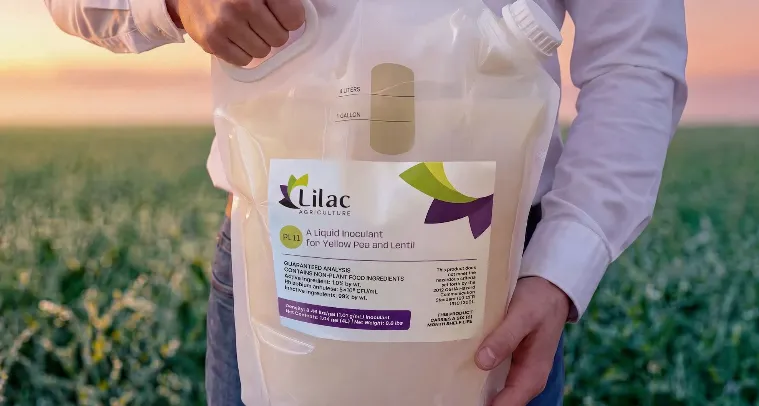
American biotech company Lilac Agriculture has raised $2.3 million to develop a new generation of rhizobium-based inoculants for legumes. Originating from research at North Dakota State University, its platform selects and adapts strains to improve both their nitrogen-fixing capacity and their ability to colonize nodules against naturally occurring soil bacteria. Its first product, PL11, aimed at peas and lentils, is already being marketed on a small scale in the United States, while the company prepares to enter the Canadian market.
Source: Agropages, published under the title "Lilac Agriculture closes oversubscribed $2.3 million Series ..." - 23 September 2026
Read more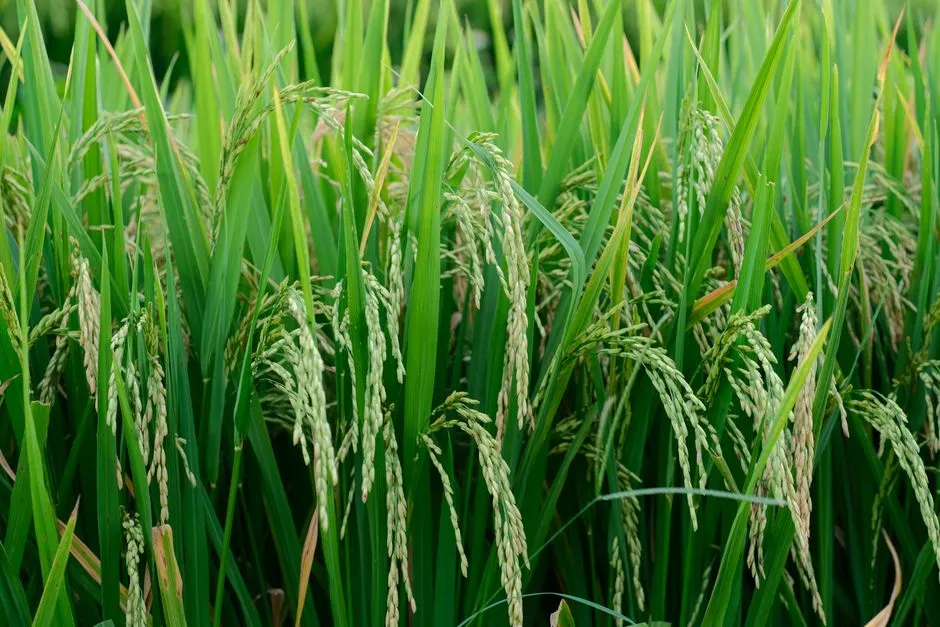
Indian researchers have combined four genetic regions associated with drought tolerance in new rice lines, without resorting to transgenesis or genome editing. Five lines recorded significant yield gains under water stress, reaching up to 82% compared to the parent variety.
Source: Agropages, published under the title "Gene-stacked rice lines show up to 82% yield gain under drou..." - 22 September 2026
Read more
American startup Spearhead Bio, spun out from the Donald Danforth Plant Science Center in St. Louis, has raised $1.62 million to accelerate the development of TAHITI, its genomic editing technology that complements CRISPR for inserting or replacing large DNA sequences in crops.
Source: Agropages, published under the title "St. Louis agtech startup Spearhead Bio raises $1.62M to brin..." - 22 September 2026
Read more
British startup Biographica partners with Hudson River Biotechnology to revolutionize crop trait development through genome editing. By combining their expertise, they aim to tackle the challenges of identifying genetic targets and provide innovative solutions for crops like tomatoes, while also exploring advanced editing approaches to enhance disease resistance and crop quality.
Source: Agfundernews, published under the title "‘Bring us your difficult trait problems’: Biographica, Hudso..." - 22 September 2026
Read more