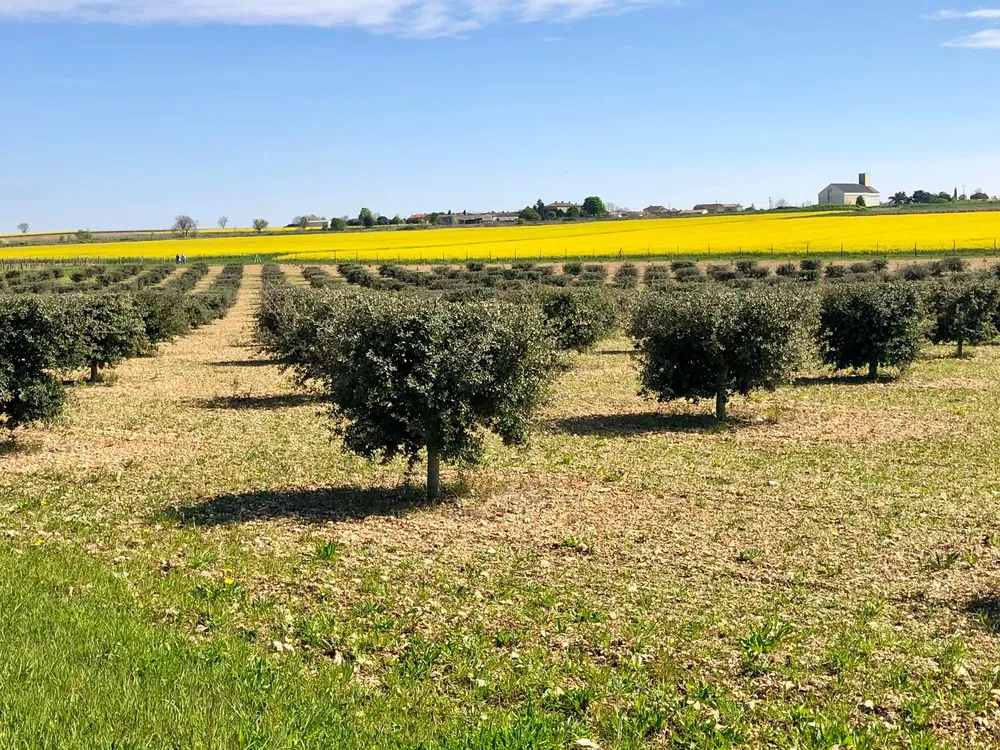
Geneva, Saint-Maixant – Alphatech Agriculture has acquired Agri-Truffe, a French specialist in mycorrhization and truffle plants, with the current management and teams remaining in place. This acquisition marks the beginning of a series of acquisitions by Alphatech Agriculture in Europe, focusing on nurseries that specialize in the selection and propagation of trees and perennial species for forestry and ornamental purposes.
14 October 2026
Read more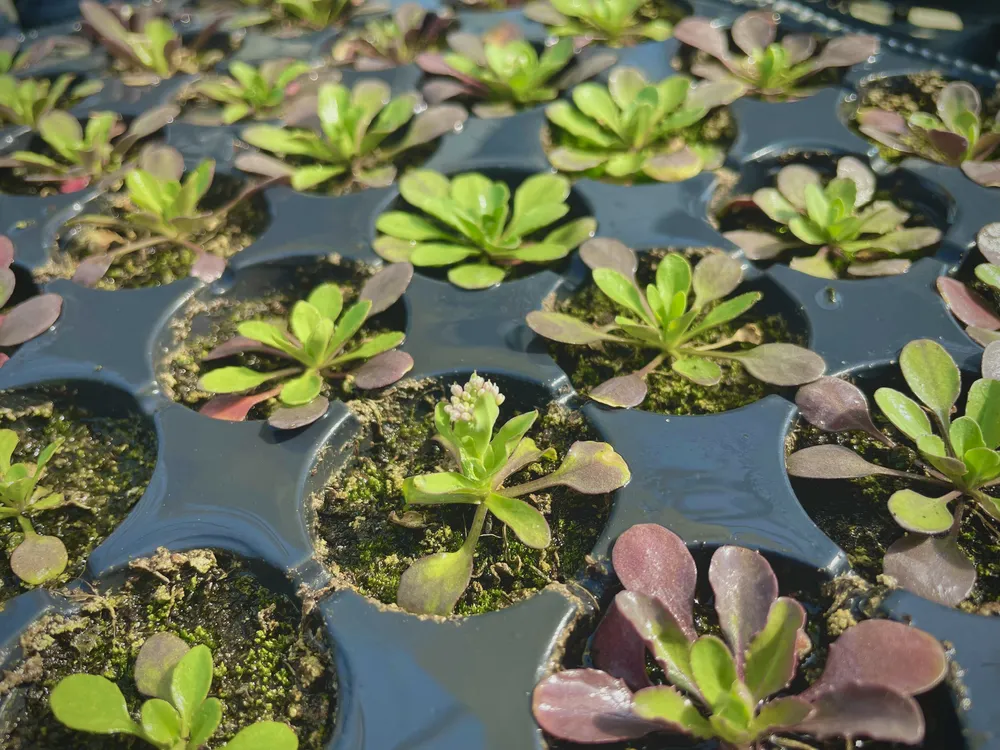
Cadmium, a metal naturally present in the environment, has become an unwanted element in our diet. Revealing an overexposure of the French population, the report published by Anses in March 2026 highlights the need to lower the cadmium levels in food. Solutions are emerging at the intersection of agronomy, genetics, and technology. Here, we review five of them to understand how they can help limit its presence in food.
Aurore Dupont - 13 July 2026
Read more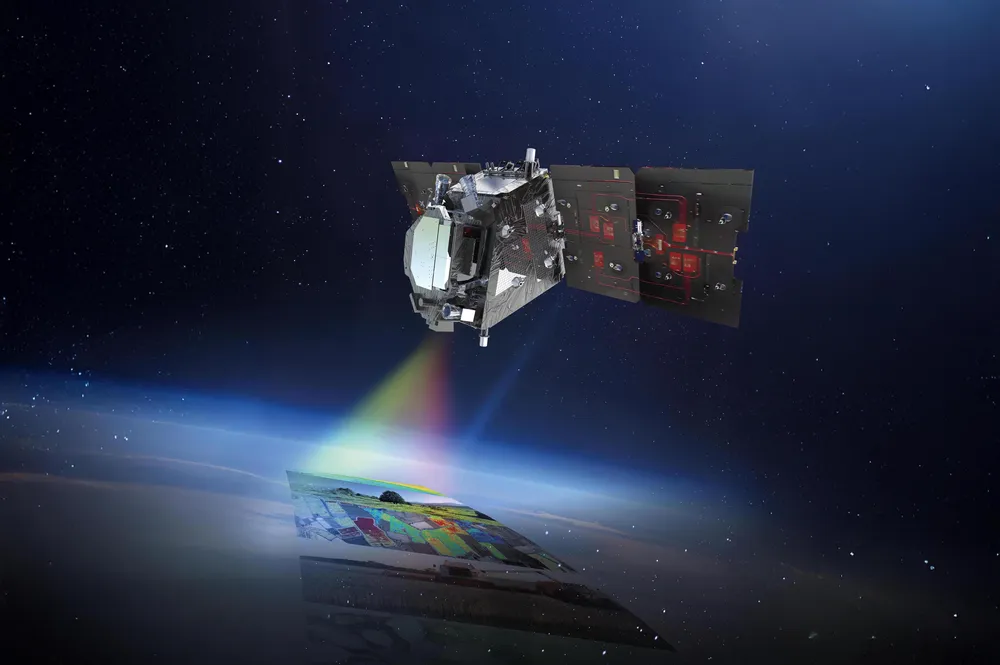
Detecting vegetation stress from space: this is the promise of Flex, a European satellite set to launch in September 2026. By observing an invisible light signal emitted by plants during photosynthesis from space, scientists hope to better understand how vegetation reacts to environmental stress and its effects on the carbon cycle and climate.
Aurore Dupont - 21 May 2026
Read more
Often associated with GMOs and at the heart of ongoing debates, new genomic techniques are rooted in a recent scientific history marked by clearly identified technological breakthroughs. This long format provides a chronological overview of the key stages of their emergence, global diffusion, and regulatory singularity in Europe.
La Rédaction - 3 February 2026
Read more
French seed company Vilmorin & Cie, a subsidiary of the Limagrain group, announced on October 23 the transfer of intellectual property developed by Genective to The Traits Company, a technology partner of seed group GDM. Specializing in genetically modified traits for insect resistance in corn and soybeans, Genective's work is now being valued by a new player. Vilmorin & Cie aims to concentrate part of its investments on genomic editing and artificial intelligence-assisted selection tools.
Source: Agropages, published under the title "Vilmorin & Cie announces the sale of the intellectual proper..." - 26 October 2026
Read more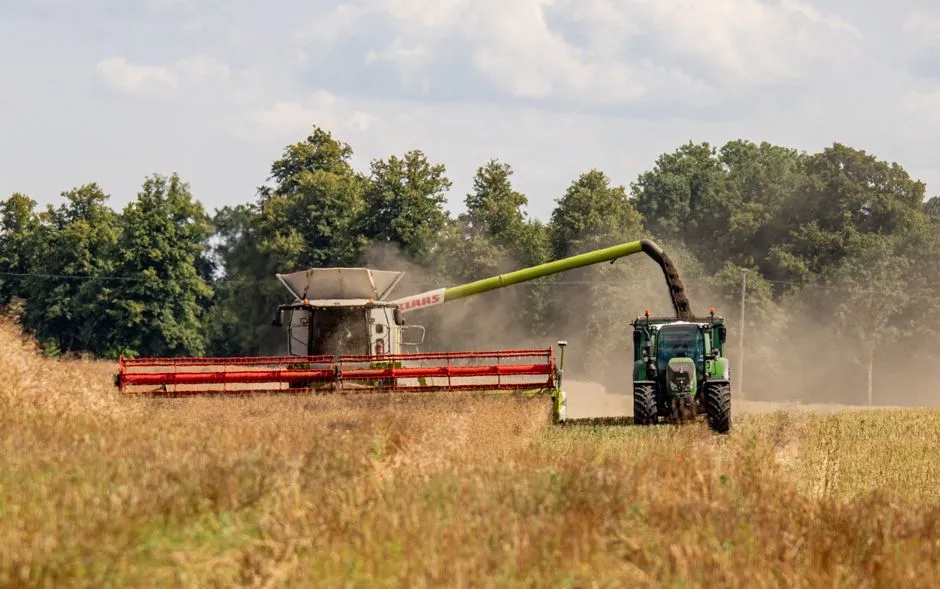
Launched in October as part of Horizon Europe, the BIOCRAFT project brings together partners from four European countries to develop potato and rice varieties that are more resilient to drought, diseases, and other environmental stresses. Coordinated by the German Fraunhofer IME institute, it will combine biotechnology, artificial intelligence, and soil microbiome research. The consortium will also explore the production of biomolecules from these crops.
Source: Agropages, published under the title "New European project combines AI and biotechnology to streng..." - 26 October 2026
Read more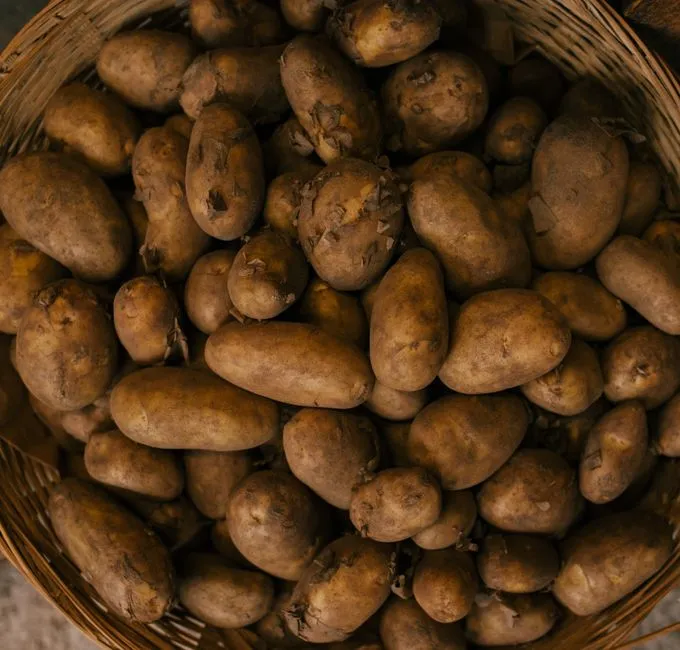
Dutch breeder Royal HZPC Group, with support from Wageningen University & Research, has developed potatoes with an increased concentration of kaempferol, a flavonoid known for its antioxidant properties. This innovation allows for the preservation of a white or yellow flesh, unlike naturally occurring varieties rich in these compounds. HZPC is now exploring commercial applications for this trait, intended for integration into future varieties.
Source: Agropages, published under the title "Royal HZPC Group applies for patent on potatoes with signifi..." - 26 October 2026
Read more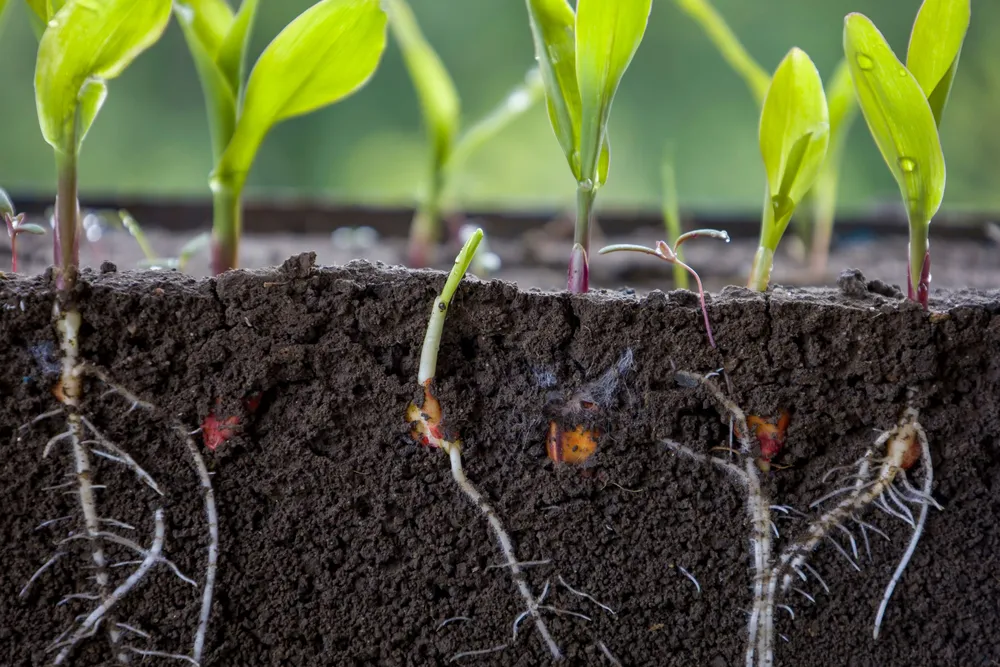
The TRITON program, coordinated by Wageningen University & Research, aims to rapidly develop crops capable of withstanding extreme climate conditions. With a funding of $50 million, it will implement advanced techniques such as genomic editing and artificial intelligence to meet farmers' needs and enhance global food security.
dr. SC (Stacy) Pyett, Source: Wur, published under the title "Major international research programme to accelerate breedin..." - 26 October 2026
Read more
American startup IMIO has raised $12 million from investors led by Sofinnova Partners, with participation from Chipotle's fund. The company will develop a laboratory and production capabilities for microorganisms in Chicago, aimed at accelerating the decomposition of crop residues and releasing their nutrients. According to the company, trials on over 10,000 acres have shown an average yield gain of 11.9 bushels per acre for corn.
Source: Agropages, published under the title "IMIO raises $12M to scale reliable biologicals and improve s..." - 26 October 2026
Read more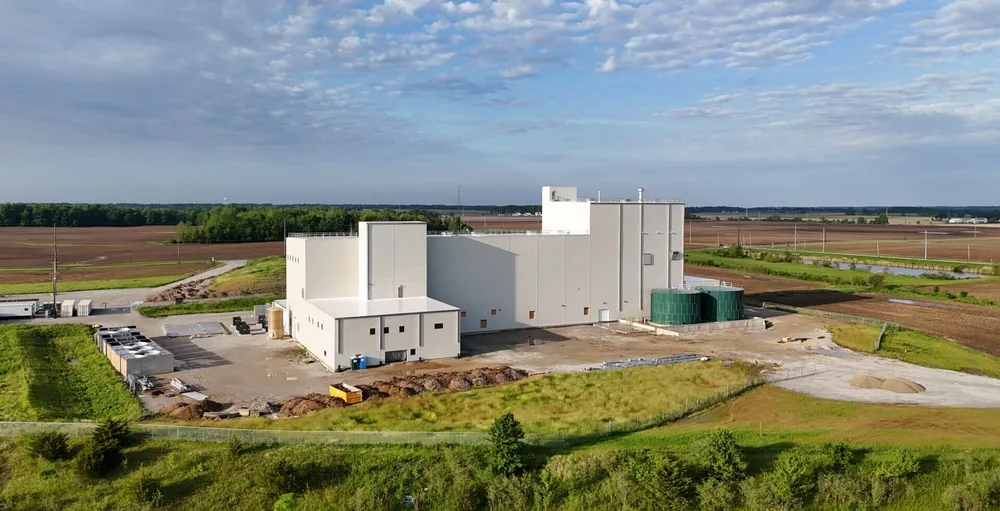
Despite having already secured $125 million, Liberation Bioindustries, which specializes in large-scale precision fermentation, is struggling to finalize funding for its 600,000-liter fermentation facility in Indiana. Following unsuccessful discussions for a sale or partnership, the company is now looking for an additional $25 million. The construction has fallen behind schedule, and commissioning now hinges on securing new financing.
Source: Agfundernews, published under the title "‘No acceptable offers’ for Liberation Bioindustries as firm ..." - 26 October 2026
Read more
Twenty years after the launch of its Dentés Tropicaux® genetics, the French seed company Lidea claims 2.5 million hectares cultivated with its corn hybrids in Europe. Developed to combine yield potential with adaptation to climate stresses, this genetics has undergone several generations of varietal selection. The group continues its improvement efforts to meet the evolving cultivation conditions.
Source: Wikiagri, published under the title "Lidea souligne 20 ans de progrès avec la génétique Dentés Tr..." - 26 October 2026
Read more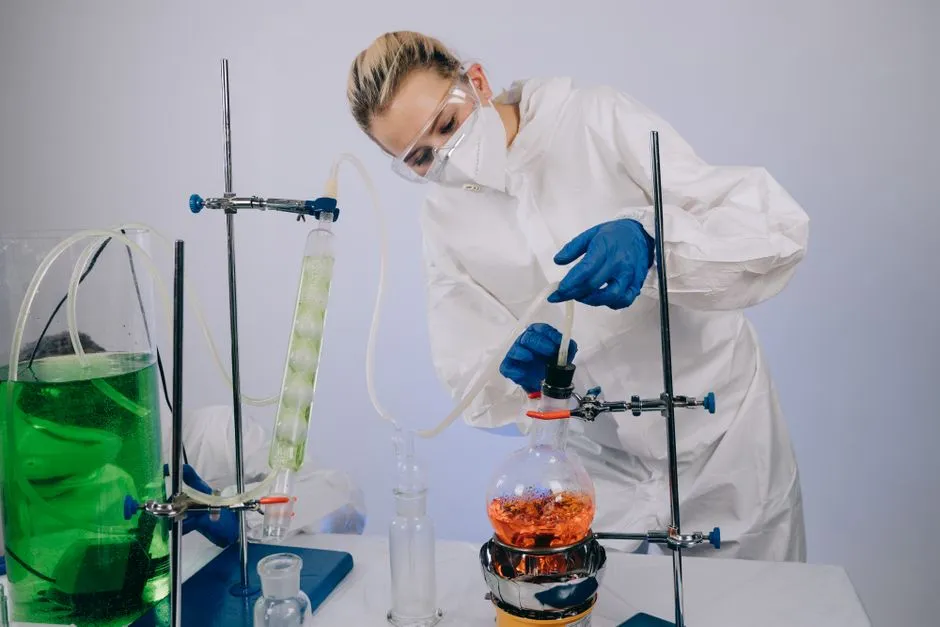
Established in 2012 in Toulouse, the pre-industrial demonstrator TWB (Toulouse White Biotechnology) officially launched its new consortium on October 15, 2026, following the signing of a ten-year agreement between INRAE, INSA Toulouse, and CNRS. The goal is to strengthen collaborations between research and industry, particularly in fermentation and bioproduction, and to accelerate the industrial development of innovations.
Source: Inrae, published under the title "Coup d’envoi officiel du consortium TWB pour accélérer l’inn..." - 16 October 2026
Read more
Argentina has reached a significant milestone by registering its first genome-edited potato variety, OLI INTA, developed by INTA. This innovation aims to enhance tuber quality by reducing browning and mechanical damage, while adhering to a regulatory framework similar to that of conventionally bred varieties. OLI INTA could transform potato production and pave the way for further applications in Latin America.
Source: Agropages, published under the title "Argentina registers its first gene-edited potato variety" - 16 October 2026
Read more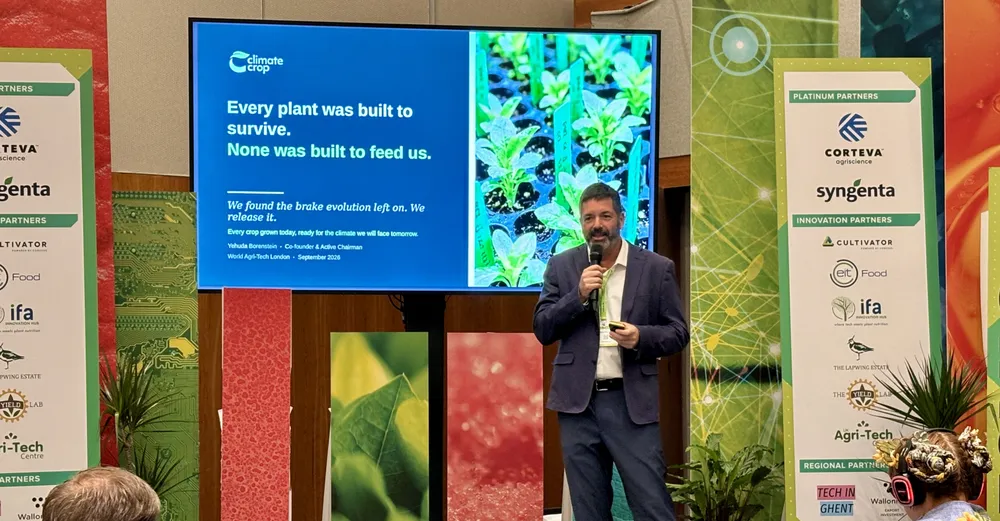
Israeli startup ClimateCrop focuses on neutralizing a starch regulation mechanism to enhance crop yields. By targeting a specific group of proteins, it aims to increase starch accumulation by 10 to 15%, providing plants with more energy to grow and withstand environmental stresses. Preliminary results on crops like potatoes and tomatoes are promising, and the technology could have wide-ranging applications in agriculture.
Source: Agfundernews, published under the title "🎥 ClimateCrop bets on starch ‘off switch’ to improve crop p..." - 14 October 2026
Read more