
Often equated with GMOs, new genomic technologies (NGTs) are based on distinct principles that currently provoke intense scientific and regulatory debates. To clarify the foundations and stakes, Bloom Agritech interviewed a genetics expert, Vincent Pétiard.
Anne Barrat - 30 January 2026
Read more
At Global Grain Geneva 2025, Rabih El Chaar, founder of SMARKK, delivered a clear message: technology is no longer just an accessory; it has become the cornerstone of agricultural productivity and is crucial for the survival of agricultural systems. Those who innovate win. The others fall behind.
Anne Barrat - 17 November 2025
Read more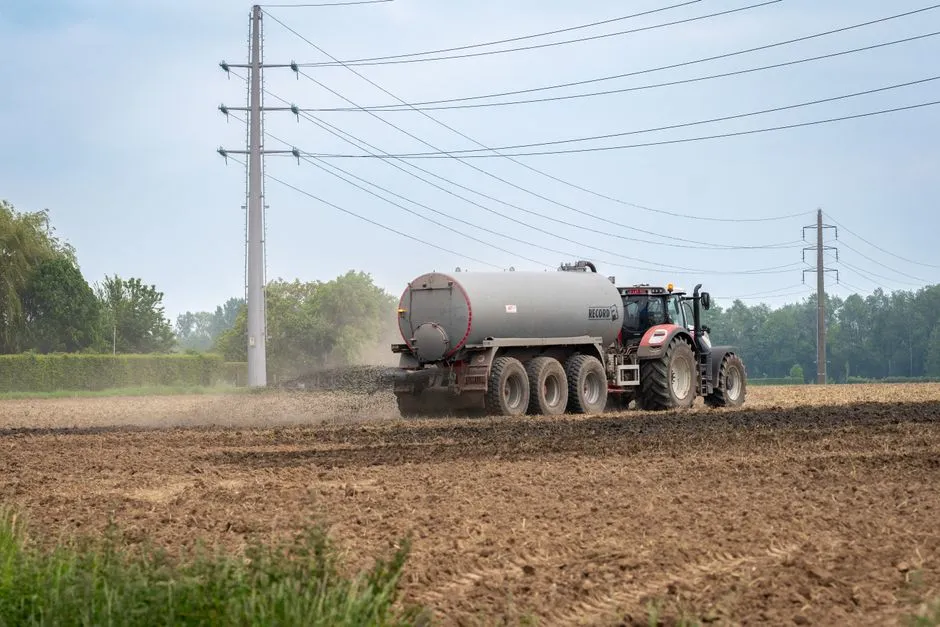
California-based startup Switch Bioworks has teamed up with Bayer Crop Science to develop genetically modified microorganisms that can fix nitrogen only after they have established themselves on plant roots. This technology aims to enhance the efficiency of biological fertilization. Field trials have been authorized in the United States and Brazil.
Source: Agropages, published under the title "Deep tech pioneer Switch Bioworks announces collaboration wi..." - 14 October 2026
Read more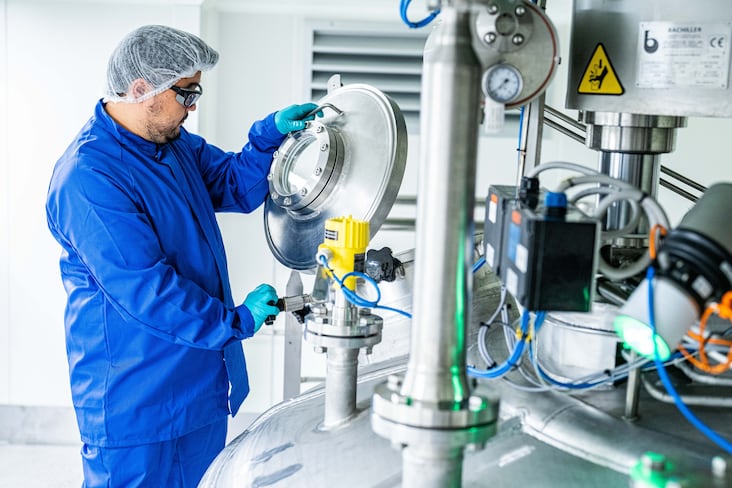
In Clermont-Ferrand, Michelin and Danone have joined forces around the Biotech Open Platform, a facility aimed at speeding up the industrial scaling of biotechnology. Located on a former industrial site, it focuses on the fermentation of microorganisms – bacteria, yeasts, and microalgae – to produce bio-based ingredients and materials intended primarily for the agri-food and health sectors.
Source: Usine Nouvelle, published under the title "À Clermont-Ferrand, Michelin et Danone veulent passer la bio..." - 9 October 2026
Read more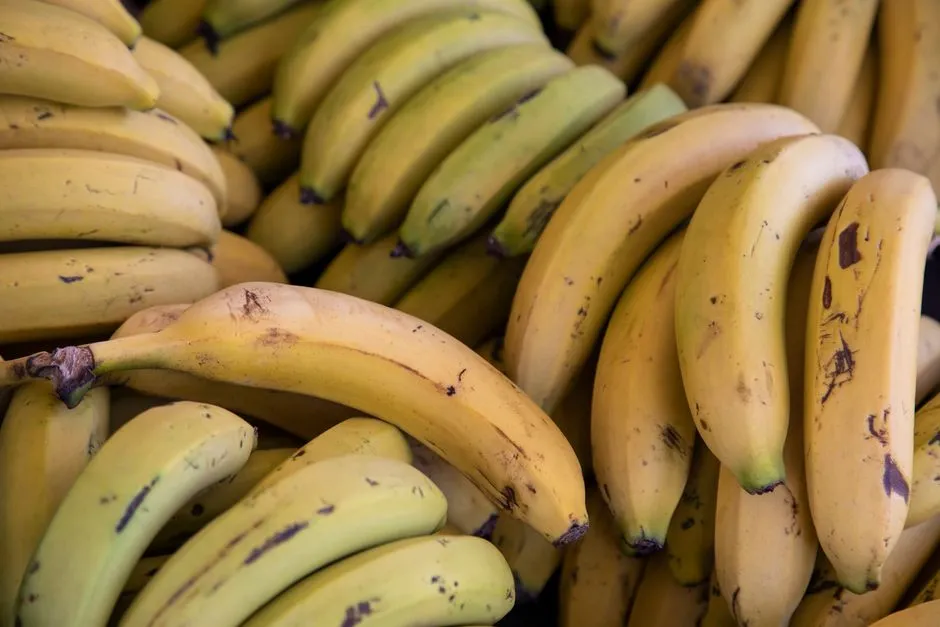
British company Tropic has developed bananas using CRISPR-Cas9 technology that significantly reduce browning after cutting. Aimed at minimizing food waste, this innovation has passed several regulatory hurdles, particularly in the UK, paving the way for potential commercialization. Tropic believes it could also cut CO₂ emissions related to the supply chain by over 25%.
Source: Agropages, published under the title "Gene-edited bananas that don’t go brown could hit UK superma..." - 9 October 2026
Read more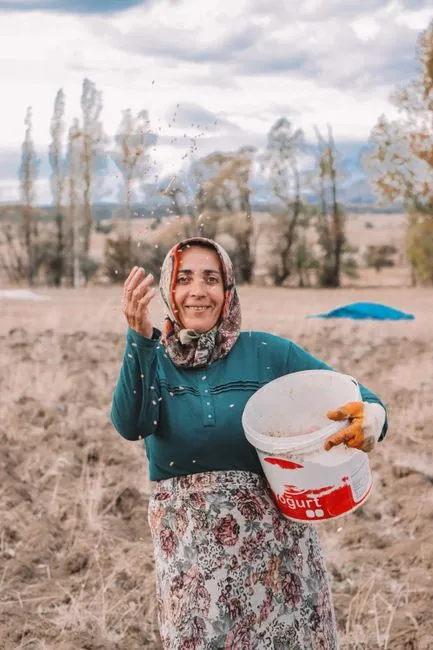
The United States is mobilizing $180 million to better understand and utilize its plant genetic resources. Announced on October 6 by the U.S. Department of Agriculture (USDA), the Seed Sovereignty Initiative plans to sequence collections of major crops from a national bank housing over 600,000 samples of 16,000 species over two years. The goal is to accelerate variety selection and reduce foreign dependencies in a sector deemed strategic.
Source: Agropages, published under the title "USDA announces $180 million Seed Sovereignty Initiative to s..." - 9 October 2026
Read more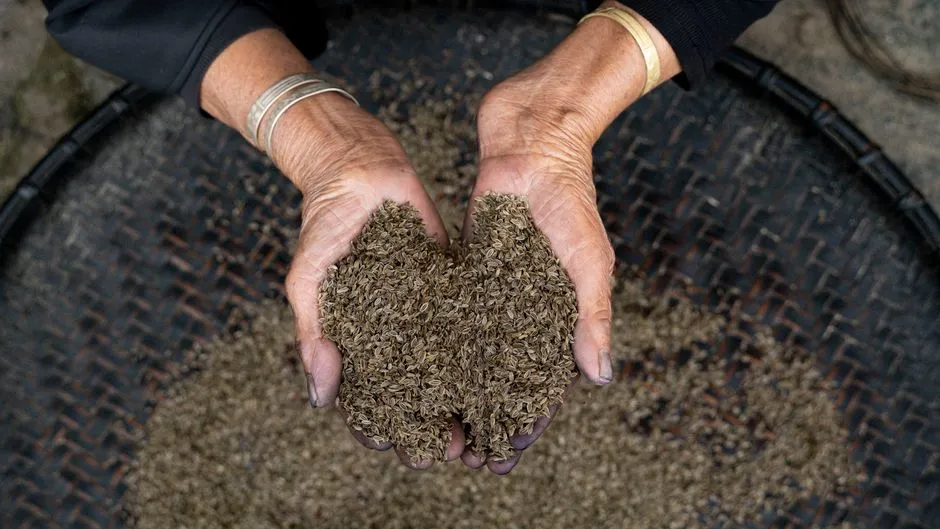
Israeli seed company Harmoniz, formed from the merger of TomaTech and Nirit Seeds, has acquired Dutch firm HW Seeds, a specialist in tomato breeding for greenhouse cultivation. This acquisition aims to strengthen their genetic resources and accelerate the development of new varieties, with a particular focus on taste qualities.
Source: Agropages, published under the title "Harmoniz announces acquisition of HW Seeds" - 9 October 2026
Read more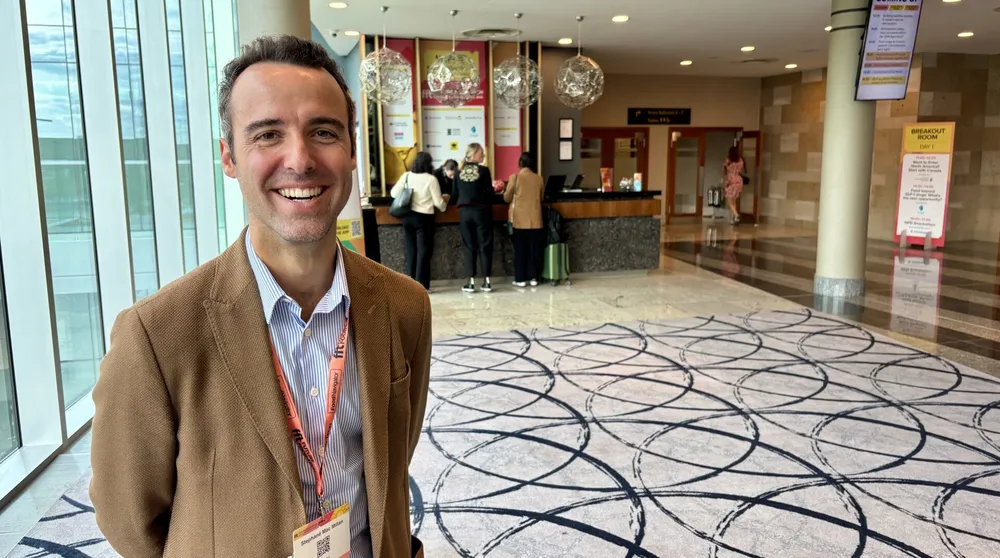
French startup Verley is gearing up to commercialize beta-lactoglobulin (BLG) proteins at scale, targeting innovative applications in the agri-food sector. With a €32 million funding round, it focuses on optimizing purification processes and expanding into North American and European markets while meeting regulatory requirements.
Source: Agfundernews, published under the title "🎥 Verley progresses towards 200,000-L tanks as precision fe..." - 9 October 2026
Read more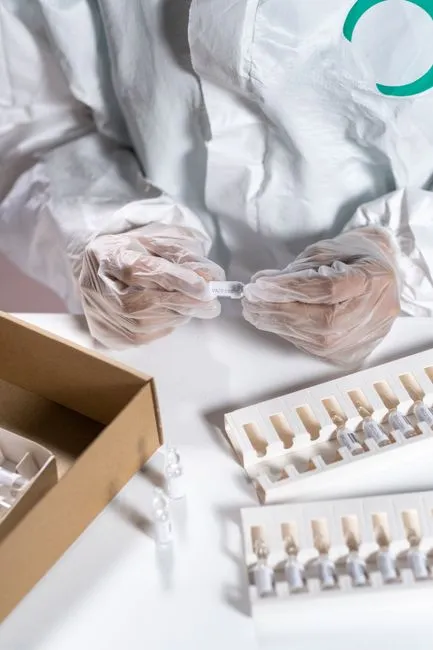
Brazilian company VitalForce is investing in biological crop protection technologies, utilizing RNA interference to target the genes of harmful insects. In the face of economic and climate challenges, the company emphasizes the importance of technical efficiency for agricultural profitability. Biological inputs promise to optimize resources and enhance crop resilience while reducing reliance on chemical fertilizers. VitalForce is also developing solutions for major pests, with a product expected on the market by 2027-2028, advocating for an integrated approach to biological products in crop management.
Source: Agropages, published under the title "Vital Force uses COVID-19 vaccine technology in bio-inputs" - 9 October 2026
Read more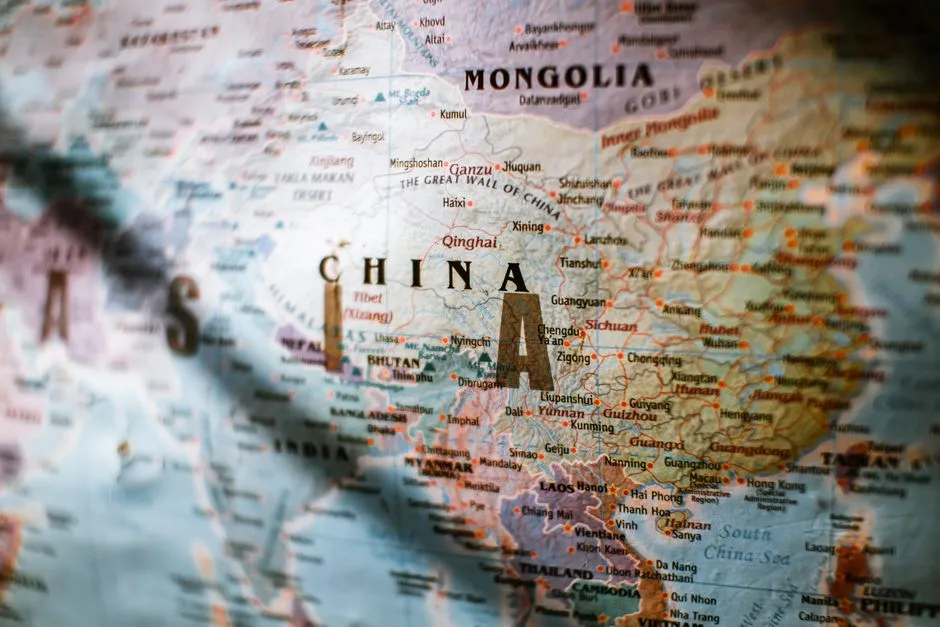
In China, the development of plant biotechnologies faces four major obstacles: insufficient cooperation between public research and businesses, complex authorization procedures, uncertainties regarding intellectual property, and market acceptance challenges. A study advocates for an evolution of the institutional framework to accelerate varietal innovation.
Source: Agropages, published under the title "Researchers recommend policy solutions for bio-breeding bott..." - 9 October 2026
Read more
The recent case between Corteva and Inari highlights the tensions between protecting innovation and access to biological resources. Patents, intended to stimulate research, can actually lock access to essential seeds, raising questions about competition and farmers' rights. A settlement was reached, but the stakes remain crucial for the future of seed innovation.
Source: Info Ogm, published under the title "Le droit des brevets, un possible frein à l’innovation semen..." - 9 October 2026
Read more
Sebastian Schultheiss, CEO of Computomics, explains how machine learning is revolutionizing crop selection by integrating genetic, environmental, and phenotypic data to predict plant performance. The company's innovative approach allows for the identification of complex relationships and optimization of field trials, all while ensuring the protection of client data.
Source: Agropages, published under the title "5 Q’s with Sebastian Schultheiss, CEO of Computomics" - 6 October 2026
Read more