Fribourg's agro-food strategy, launched in 2021, reviews its progress one year ahead of elections. With a financial support of 4.8 million CHF for 27 projects, the canton focuses on biomass valorization, the implementation of digital technologies, and citizen engagement for sustainable food. Innovations such as an electric weeding robot and a project converting cheese waste into hydrogen illustrate Fribourg's ambitions to become a hub in the agro-food sector.
Source: Agir Info, published under the title "Fribourg vu comme pôle d’attraction agroalimentaire" - 18 January 2026
Read more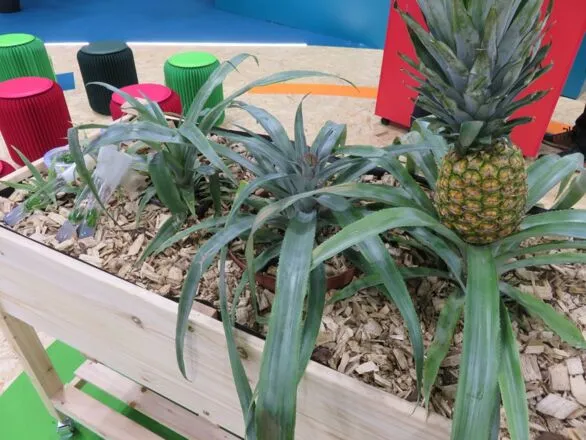
The Technical Interprofessional Centre for Fruits and Vegetables is testing pineapple cultivation in southern France, aiming to adapt to new climatic conditions. While agronomic feasibility appears promising, economic viability and challenges related to lighting and plant acclimatization remain to be assessed. This project could offer a new avenue for diversifying crops and enhancing food self-sufficiency in the mainland.
Publié par Pleinchamp, Source: Pleinchamp, published under the title "Et si l’ananas s’implantait dans le Sud de la France ?" - 17 January 2026
Read more
The entry of Grupo Enhol and Stellum Food & Tech into the capital of Huerta de Peralta marks a key milestone for the Spanish company specializing in ready-to-eat vegetables. With a revenue of 28 million euros and over 200 employees, Huerta de Peralta plans to accelerate its growth through acquisitions and the development of its network in the Hotels, Restaurants, and Cafés sector, while continuing its international expansion.
SEPEHR ACHARD, Source: Igronews, published under the title "Grupo Enhol and Stellum Food&Tech Enter Capital of Huerta de..." - 14 January 2026
Read more
As 2026 approaches, the Brazilian agrifood sector stands at a historic crossroads, where risk management and innovation take precedence over mere production increases. With a projected gross production value of R$1.6 trillion, producers must navigate a landscape of volatile costs and complex regulations. Margins are tightening, and managerial excellence is emphasized to ensure profitability. Geopolitical tensions, particularly with China, add a layer of complexity, making traceability and sustainability essential to remain competitive in the global market.
Source: Agropages, published under the title "Brazilian agribusiness perspective 2026: From productive pow..." - 13 January 2026
Read more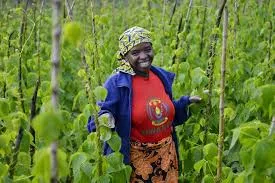
The BioCap project, supported by the Gates Foundation, aims to strengthen Rwanda's capacity in crop biotechnology. By focusing on essential crops such as cassava, potatoes, and bananas, the initiative seeks to improve disease resistance and increase agricultural productivity. This $15 million project over five years aims to position Rwanda as a regional leader in biotechnology while supporting food security and sustainable development.
Source: Agropages, published under the title "International Collaboration aims to improve key crops for Rw..." - 13 January 2026
Read more
The Donald Danforth Plant Science Center partners with a $15 million project in Rwanda to establish a Center of Excellence in crop biotechnology. Supported by the Gates Foundation, this initiative focuses on developing disease-resistant varieties of cassava, potatoes, and bananas while enhancing the country's research and regulatory capacities. The initiative aims to improve food security and position Rwanda as a regional leader in agricultural biotechnology.
SEPEHR ACHARD, Source: Igronews, published under the title "Donald Danforth Plant Science Center Joins International Cro..." - 13 January 2026
Read more
The Commission has unveiled its report on productivity growth hindered by climate change and input costs. It proposes a simplified and more targeted Common Agricultural Policy (CAP) for the post-2027 period to address ongoing challenges.
Source: European Commission Common Agricultural Policy, published under the title "EU Agricultural Outlook 2025-35: EU agriculture navigates ch..." - 18 December 2025
Read more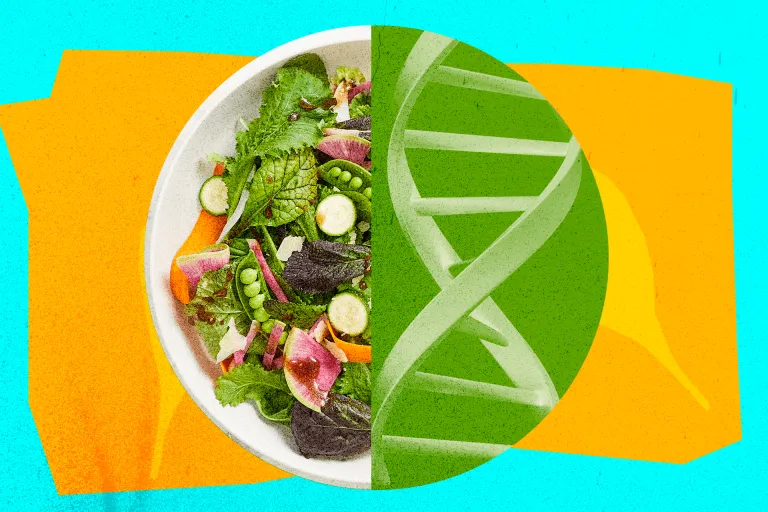
As the European Union debates the deregulation of new genomic modification techniques (NGM), the American company Pairwise accelerates its strategic partnerships with Crispr/Cas, including its recent agreement with IRRI. Leveraging its Fulcrum platform and SHARC enzyme, Pairwise promises rapid agricultural innovations that are "non-GMO" – a claim contested in Europe, where these methods are regulated as such. These alliances, involving both public and private actors, could soon shape access to NGM and the arrival of new modified foods on our plates, raising ethical and regulatory questions.
Source: Info Ogm, published under the title "Pairwise façonne l’alimentation du futur à la sauce NTG" - 9 December 2025
Read more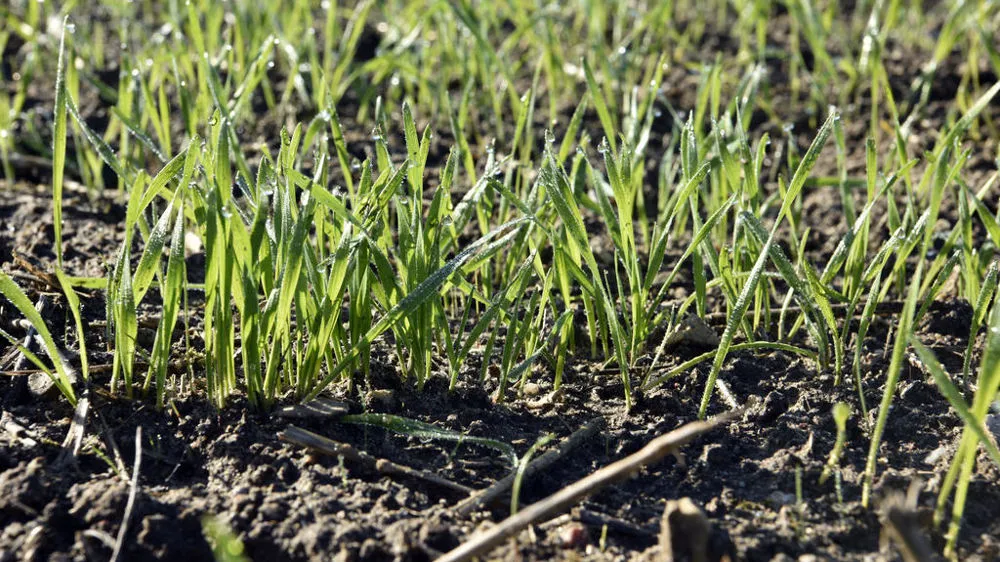
As of December 1, 2025, according to the Céré’Obs observatory of FranceAgriMer, cereals show a remarkable lead: 99% of soft wheat sown (compared to 96% in 2024 and the five-year average), with emergence at 94% (84% in 2024), and tillering beginning at 39% (up from 24% in 2024). Durum wheat, winter barley, and early-harvested grain maize confirm this positive trend for agriculture.
Source: La France Agricole, published under the title "Les blés français ont de l’avance" - 8 December 2025
Read more
According to a commission report, the 2019 Unfair Trading Practices Directive has already contributed to fostering a fairer and more balanced trading environment within the agri-food supply chain. A review is planned to better combat sales below production costs.
Source: European Commission Common Agricultural Policy, published under the title "Commission carried out evaluation of the Directive on unfair..." - 2 December 2025
Read more