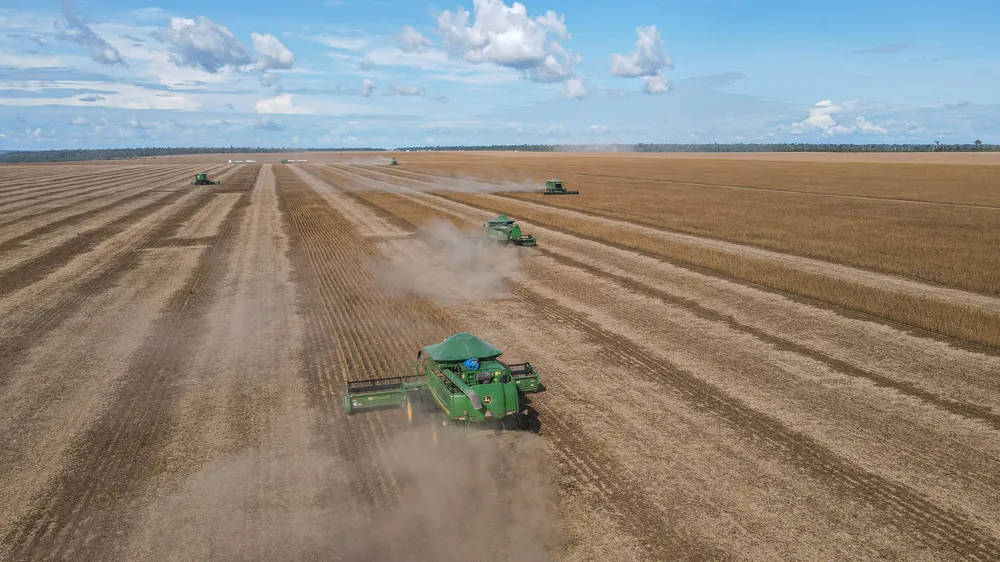
Le Brésil talonne les États-Unis au rang de premier exportateur agricole mondial. Son défi n'est plus de nourrir dix milliards d'humains, mais de trouver à qui vendre dans un monde où la demande alimentaire ralentit. Au Brazil Commodities Forum de Genève, l'agro-industrie brésilienne a dévoilé sa réponse : diversifier ses marchés et transformer ses surplus en énergie.
Anne Barrat - 5 November 2026
Read more
In the face of a significantly more competitive Ukraine, both the sugar beet and oilseed sectors propose a common solution: redirecting part of Ukraine's production towards biofuels instead of allowing it to depress prices. However, this would require Brussels to raise the current blending limits imposed on biofuels.
Anne Barrat - 30 October 2026
Read more
According to Alexis Patry, director of the ARTB, the French beetroot sector can still thrive. However, this is only possible if it confronts its challenges head-on and resolves the contradictions that weaken it.
Anne Barrat - 26 October 2026
Read more
How far could Ukraine reshape the European corn landscape? At the Agridées back-to-school conference, Olivier Antoine, director of ORAE Geopolitics, presented a forward-looking study conducted for AGPM. The analysis covers volumes, costs, processing, and seeds, offering several scenarios to assess the risks for French agricultural sectors.
Anne Barrat - 9 October 2026
Read more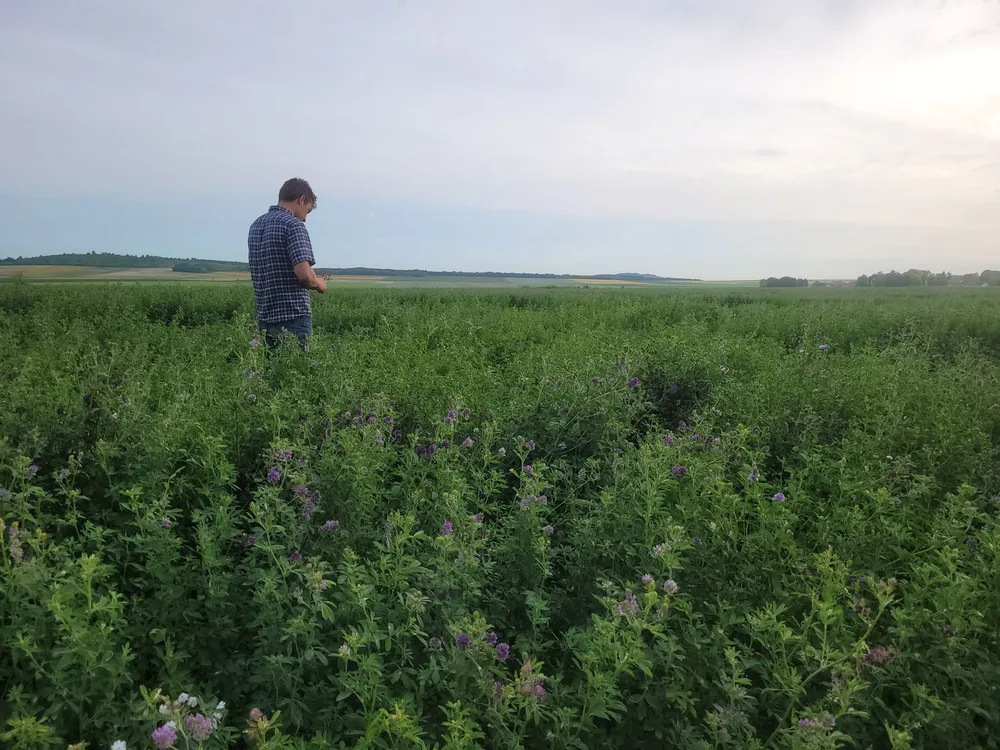
French group Roquette, a specialist in plant-based ingredients, and Royal Canin, a French company owned by American Mars, are partnering with Belgian firm Soil Capital to assist over 60 French farms in their transition to regenerative agriculture. This partnership, covering more than 4,700 hectares of wheat, is based on cost-sharing among industry players and compensating farmers for their carbon results.
Source: Agfundernews, published under the title "Agrifood corporates find a new model for financing regenerat..." - 5 November 2026
Read more
Formerly known as Better Meat Co., the American company BMC Ingredients plans to initiate large-scale production in India by the second quarter of 2027. After completing three fermentations of 100,000 liters, it aims to collaborate with industrial partners to minimize its investments. Its mycelium-based ingredients are primarily intended for protein bars and pasta.
Source: Agfundernews, published under the title "Better Meat Co targets large-scale production in India in Q2..." - 5 November 2026
Read more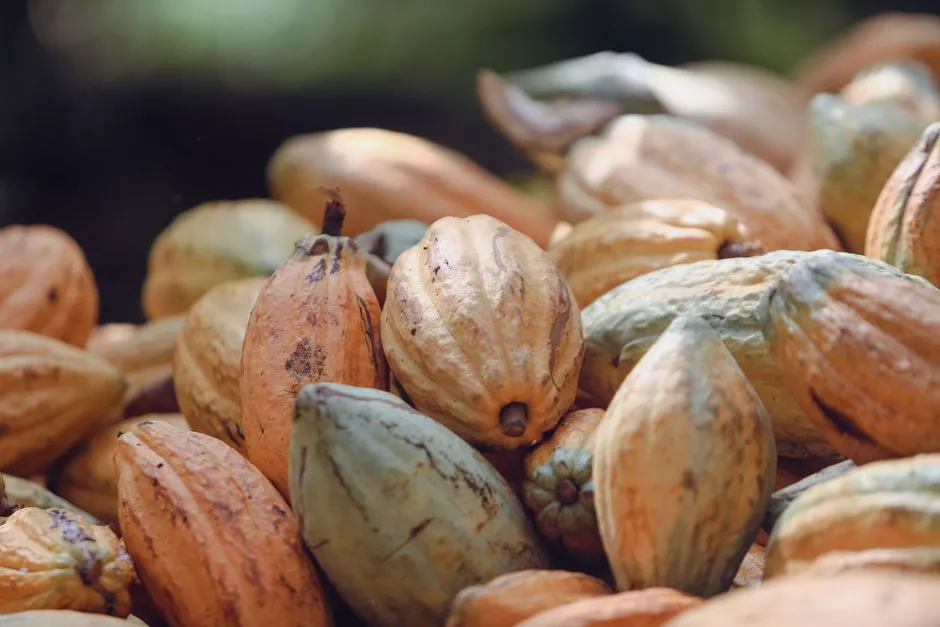
American startup GALY begins marketing its cocoa produced through plant cell cultivation. In the U.S., its initial orders are for chocolate aimed at the food service industry, marketed under the brand WunderHaus. A chocolatier from Dubai has also placed an order, paving the way for a rollout in the United Arab Emirates by 2027. This technology aims to diversify cocoa supply sources without currently replacing conventional production.
Source: Igronews, published under the title "GALY Launches US Cultured Cocoa Sales, Plans 2027 UAE Rollou..." - 29 October 2026
Read more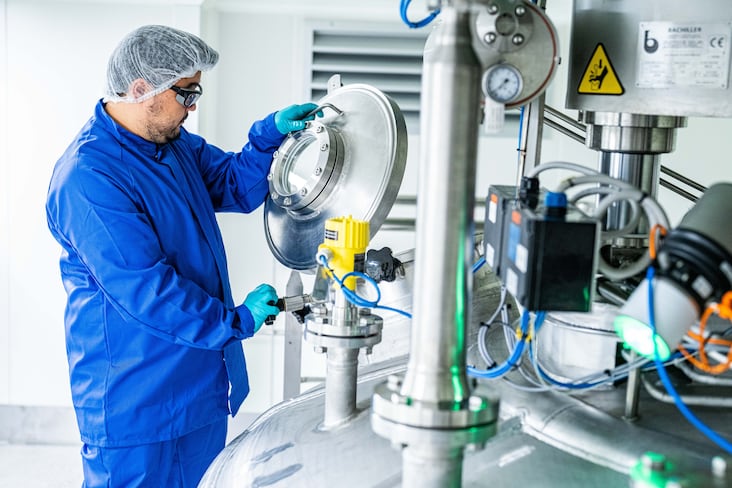
In Clermont-Ferrand, Michelin and Danone have joined forces around the Biotech Open Platform, a facility aimed at speeding up the industrial scaling of biotechnology. Located on a former industrial site, it focuses on the fermentation of microorganisms – bacteria, yeasts, and microalgae – to produce bio-based ingredients and materials intended primarily for the agri-food and health sectors.
Source: Usine Nouvelle, published under the title "À Clermont-Ferrand, Michelin et Danone veulent passer la bio..." - 9 October 2026
Read more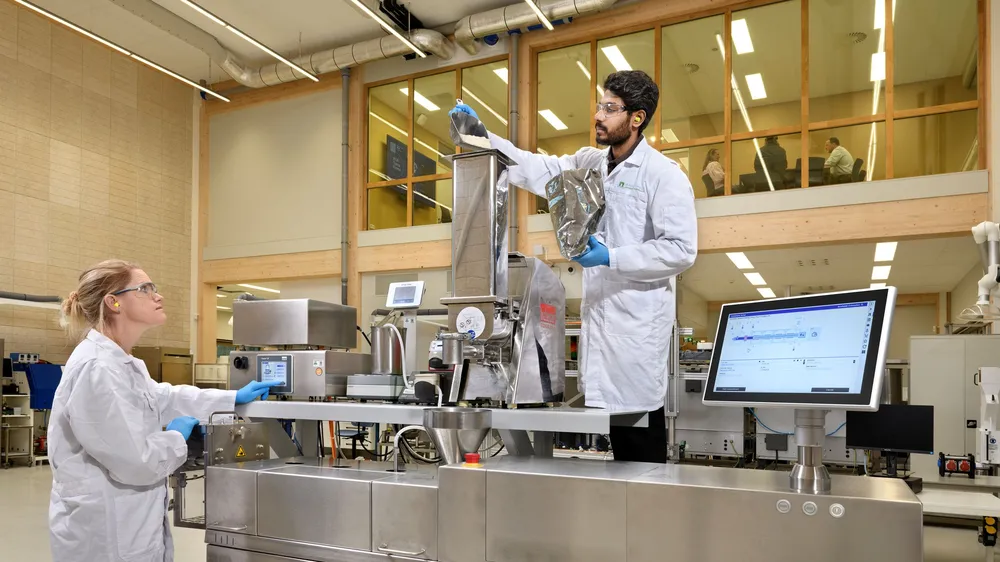
Wageningen University & Research has inaugurated CIBIA, a research facility dedicated to accelerating food innovations. This center supports various stakeholders in developing sustainable and healthy solutions for the food system by integrating advanced technologies and a collaborative approach.
dr.ir. RMAJ (Rianne) Ruijschop, Source: Wur, published under the title "CIBIA, a new Wageningen facility, helps bring food innovatio..." - 9 October 2026
Read more
Edonia, a startup based in the Île-de-France region, has caught the attention of two new investment funds to support the development of its innovative microalgae-based protein ingredient, aimed at the collective catering sector and food industry manufacturers. Guided by Alpha Capital Partners, this funding round aims to strengthen its position in a rapidly growing market focused on plant-based proteins and sustainable solutions.
Jeremy Guiraud, Source: Cfnews, published under the title "TECH |" - 9 October 2026
Read more
French startup Verley is gearing up to commercialize beta-lactoglobulin (BLG) proteins at scale, targeting innovative applications in the agri-food sector. With a €32 million funding round, it focuses on optimizing purification processes and expanding into North American and European markets while meeting regulatory requirements.
Source: Agfundernews, published under the title "🎥 Verley progresses towards 200,000-L tanks as precision fe..." - 9 October 2026
Read more
A study highlights the need to improve the nutritional density of crops, which has been affected by decades of yield-focused selection. GLP-1 medications could provide an opportunity for food companies to reassess their priorities, encouraging more nutrient-rich production. However, this will require an integrated approach that combines agricultural practices, public policies, and technological innovations to measure and enhance the nutritional density of foods.
Source: Agfundernews, published under the title "Could GLP-1 drugs finally put a price on crop nutrient densi..." - 9 October 2026
Read more
The Chinese Tiangong space station has achieved a major milestone by cultivating vegetables in microgravity, allowing astronauts to harvest and consume fresh produce. This innovative project overcomes the challenges of the space environment through advanced technologies, while laying the groundwork for sustainable agriculture for future space missions.
Source: Agropages, published under the title "From seed to seed: Tiangong Space Station achieves full lif..." - 28 August 2026
Read more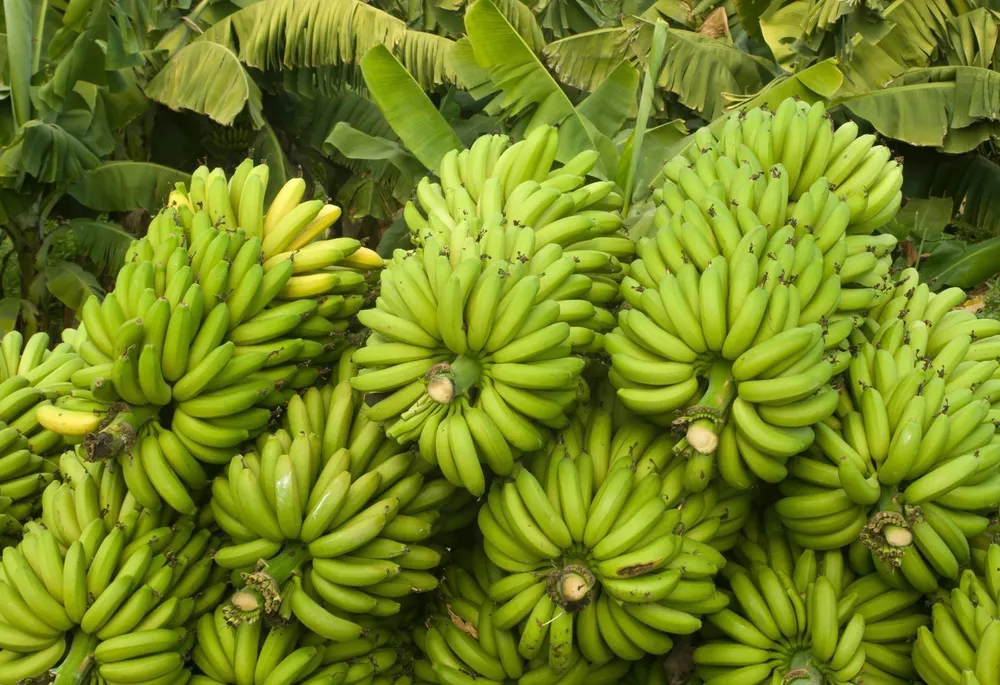
Banana cultivation, essential for many tropical countries, faces increasing climate challenges. With temperature variations, extreme weather events, and diseases exacerbated by climate change, producers must adapt. Agritech innovations, such as advanced genetics and sustainable farming practices, could provide solutions to preserve this iconic crop and ensure food security.
Ludovic Pauchant, Source: Franceinfo, published under the title "Le climat aura-t-il la peau de la banane ?" - 13 August 2026
Read more