
Professor Francesco Stellacci from EPFL (École polytechnique fédérale de Lausanne) has been awarded an ERC (European Research Council) grant for his innovative project on multilayer films made from natural proteins, aimed at replacing synthetic plastics. This project addresses sustainability challenges by focusing on developing high-performance materials from food waste, with potential applications in single-use food packaging.
Source: Epfl, published under the title "Francesco Stellacci wins ERC Proof of Concept Grant" - 1 July 2026
Read more
Face aux pertes de rendement causées par les nématodes à kystes de soja, des chercheurs explorent de nouvelles stratégies de lutte en ciblant les protéines effectrices qui permettent aux parasites de se nourrir et de se reproduire. Ce projet pourrait mener à des variétés de soja génétiquement modifiées pour résister à ces parasites, tout en préservant la santé et le rendement des cultures.
Source: Agropages, published under the title "Scientists target soybean cyst nematode by cutting off its f..." - 30 June 2026
Read more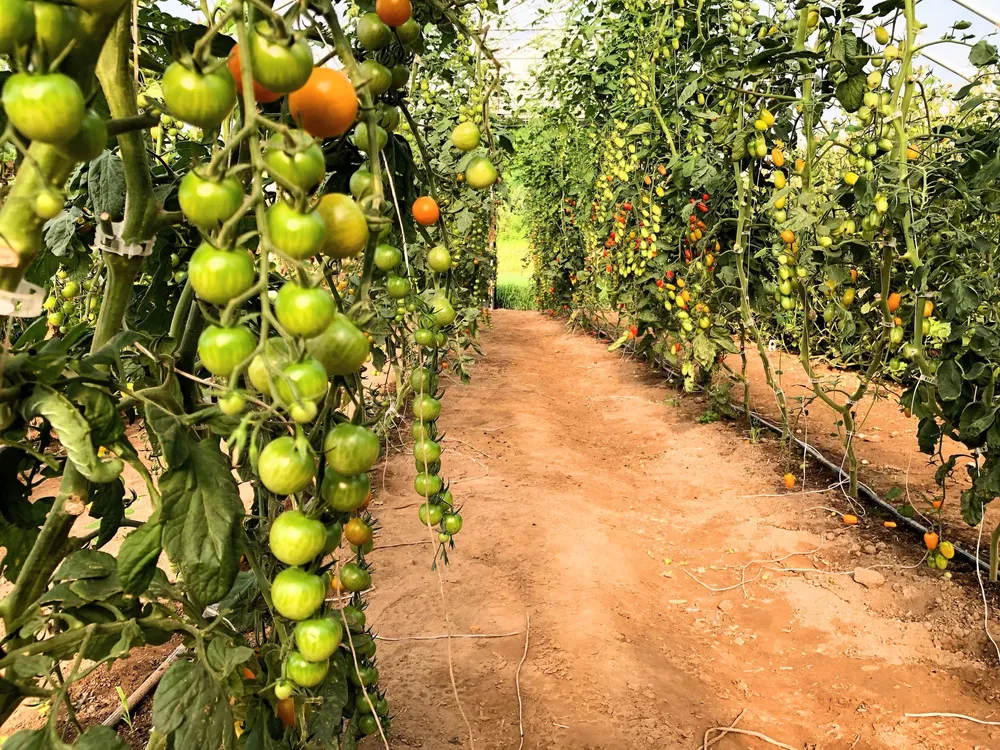
A study published in Scientific Reports presents the development of garlic oil-based nanoemulsions as an ecological alternative to traditional nematicides, in light of increasing restrictions on the latter. The formulations, characterized by small droplet sizes and a stability of 16 weeks, have shown significant efficacy against the nematode Meloidogyne incognita, reducing root gall formation and promoting tomato plant growth.
Source: Agropages, published under the title "Nano-emulsion of garlic oil extracts: development, character..." - 29 June 2026
Read more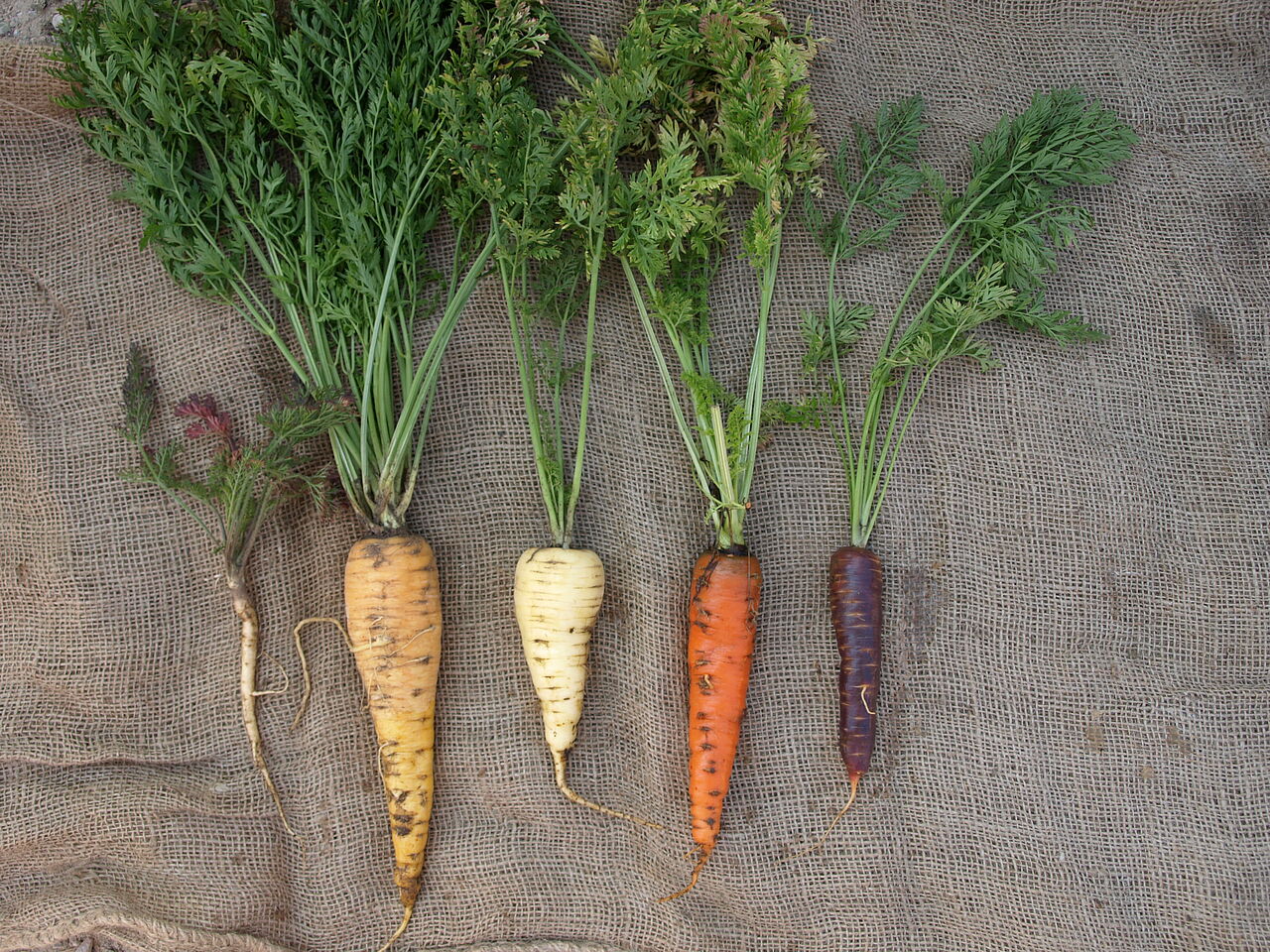
Confronted with genetic diversity loss and climate change challenges, Switzerland is rediscovering wild relatives of crops. These plants, carrying resistance genes, are central to new conservation and breeding strategies. In situ protection programs and seed banks aim to preserve this vital genetic heritage for the agriculture of tomorrow.
Source: Agir Info, published under the title "Des plantes sauvages pour renforcer l’agriculture suisse" - 29 June 2026
Read more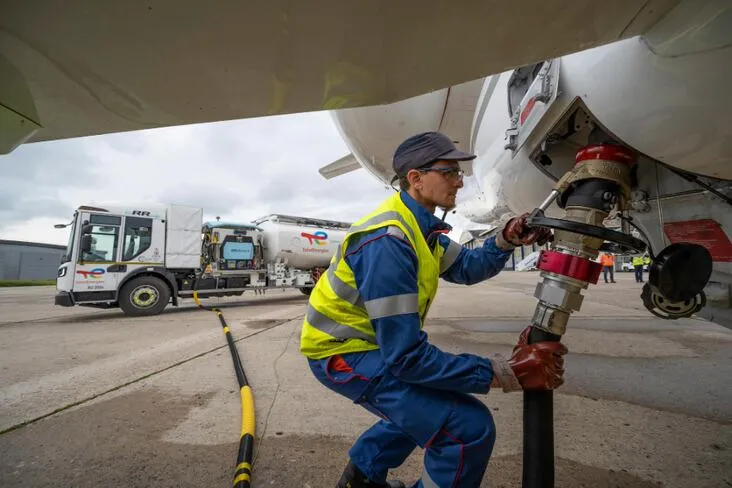
The crisis in the Hormuz Strait and tensions in energy markets are giving new momentum to biofuels. From Brazil to Indonesia, several countries are strengthening their policies on ethanol and biodiesel incorporation to reduce dependence on fossil fuels. According to various analyses, global demand could increase by nearly 30% between 2025 and 2026, confirming the return of agricultural-origin fuels to the forefront of energy security strategies.
Source: Usine Nouvelle, published under the title "Les agrocarburants sont-ils les grands gagnants de la crise ..." - 19 June 2026
Read more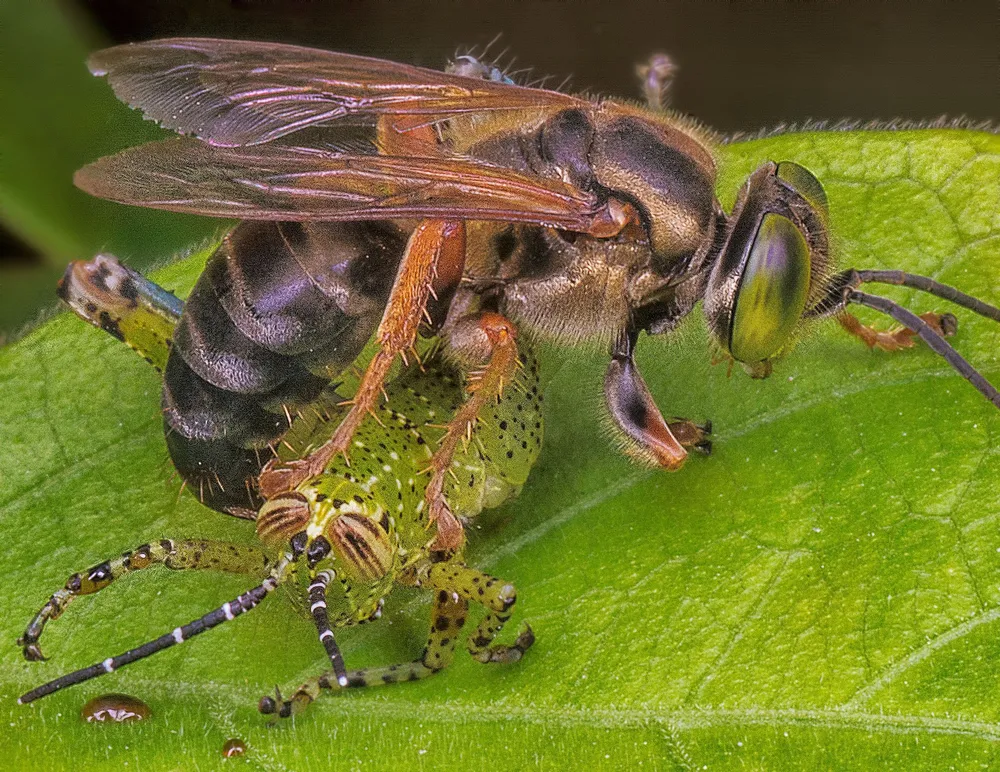
What if future biopesticides were inspired by the venoms of parasitic insects? A synthesis of recent research shows how these organisms manipulate their hosts through multifunctional proteins, offering new perspectives for biological crop protection. The study highlights complex mechanisms of immune inhibition and metabolic reprogramming, while emphasizing the challenges related to the functional identification of candidate proteins, essential for the development of effective biocontrol tools.
Source: Agropages, published under the title "Parasitoid insect venom proteins: Identification, functions,..." - 19 June 2026
Read more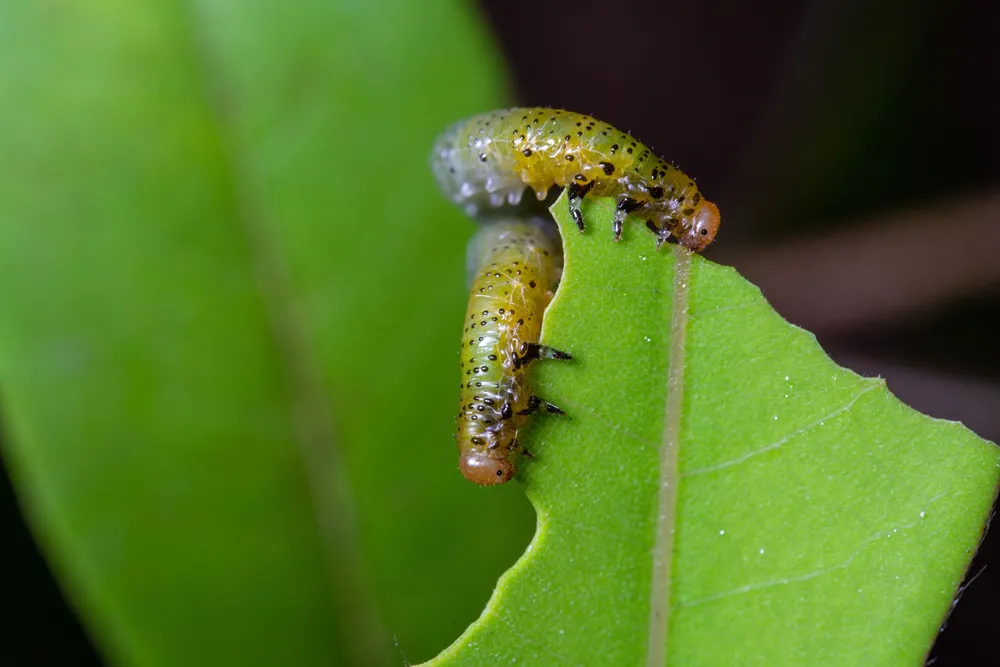
Source: Agropages, published under the title "OBP11-mediated sequestration reduces chlorpyrifos bioavailab..." - 18 June 2026
Read more
A recent study highlights the importance of monitoring desert locusts to prevent food crises. The findings show that reduced surveillance, often due to conflicts, leads to an increase in swarms, severely impacting child health and the economy. The benefits of monitoring far outweigh the costs, with a cost-benefit ratio estimated between 160:1 and 680:1.
Source: Agropages, published under the title "Valuing disaster prevention: Desert locust monitoring and co..." - 18 June 2026
Read more
The report "Fertilizer Innovation Unleashed" from the International Fertilizer Association's Innovation Hub highlights the growing innovation in the fertilizer and plant nutrition sector while urging leaders and investors to take action. By identifying five major barriers to innovation, the report offers recommendations to overcome these challenges and introduces a benchmark to assess companies' innovation performance.
Source: Agropages, published under the title "IFA Innovation Hub launches landmark report to accelerate fe..." - 17 June 2026
Read more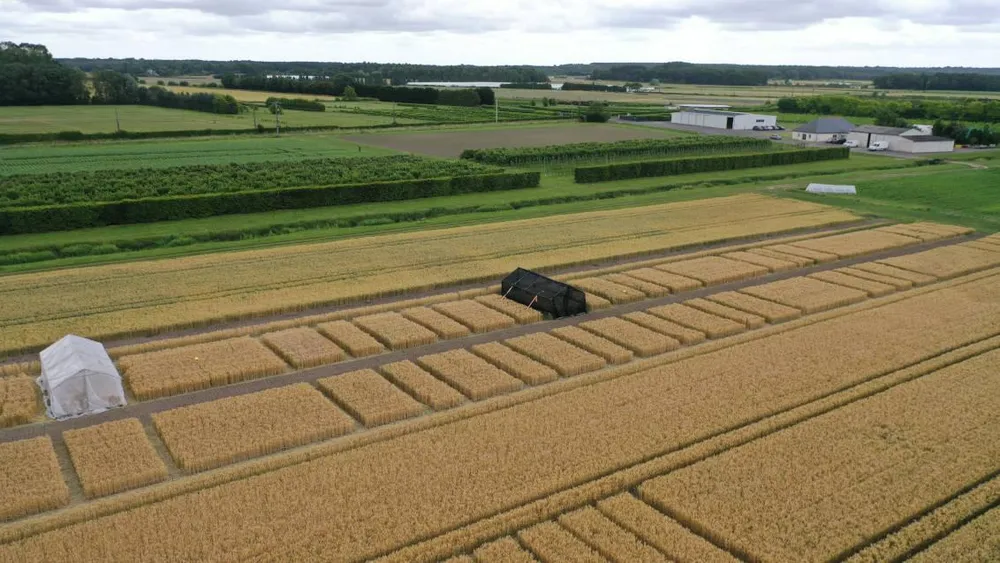
Syngenta's Address the Stress initiative analyzes the effects of abiotic stress on crops by creating controlled stress conditions. In 2026, thermal, water, and light stresses, as well as the impact of hail, are studied, revealing significant effects on yields and mycotoxin levels. The integration of biostimulants in these trials aims to demonstrate their effectiveness in managing these stresses, providing agronomic data for farmers.
Source: Syngenta, published under the title "Révéler l’impact des stress abiotiques avec Address the Stre..." - 16 June 2026
Read more