
As farmers call for a reduction in European fertilizer taxes, Farm Europe, a European think tank, is betting on a long-term solution that could allow them to rely less on fertilizers while becoming active participants rather than mere spectators in their carbon transition.
Aurore Dupont - 27 April 2026
Read more
Europe is not lacking in agricultural innovation or talent. What it still lacks is a legal framework that matches its ambitions. Insights from two experts at PwC Switzerland, Johannes Smits and Thibaut de Haller.
Johannes Smits et Thibaut de Haller, PwC Switzerland - 26 February 2026
Read more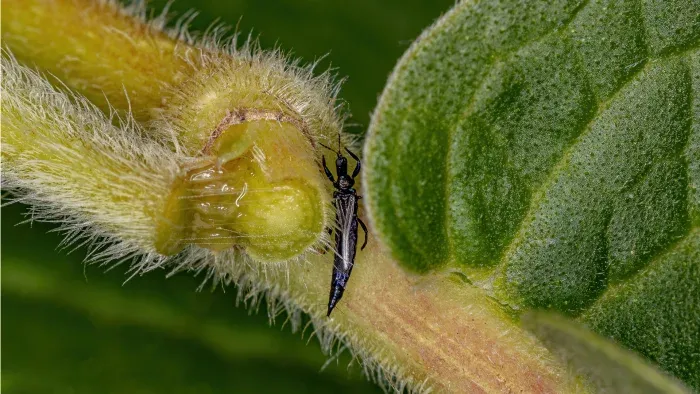
The European Union has renewed the approval of spinosad, a biological insecticide used in both conventional and organic agriculture, particularly against thrips. Marketed by Corteva under the brand Qalcova active, this substance remains valuable amid the reduction of available solutions for certain crops. The renewal comes with restrictions aimed at protecting pollinators and mandates a review of national authorizations for the affected products.
Source: Agro Matin, published under the title "Qalcova active (spinosad) : « maintenir une solution face au..." - 9 October 2026
Read more
Alliance Biocontrôle urges the European Parliament to support an ambitious regulatory framework for biocontrol, in light of a Council mandate deemed insufficient. Simplifying procedures and clearly distinguishing biocontrol from low-risk substances is crucial to foster innovation and address current agricultural challenges. European farmers, facing technical deadlocks, need rapid solutions for the agroecological transition.
Source: Wikiagri, published under the title "Le Parlement européen doit agir rapidement pour le biocontrô..." - 6 October 2026
Read more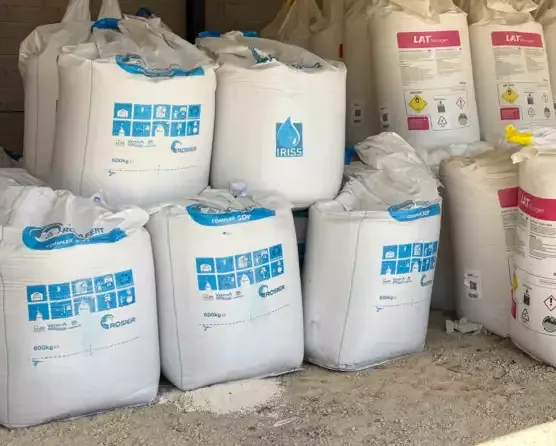
Starting in 2027, the cadmium content in phosphate fertilizers will be gradually reduced, with goals aimed at protecting human health and the environment. These new regulations seek to align French standards with those of the European Union while limiting the input of heavy metals and organic trace elements in fertilizers, in order to preserve the quality of agricultural soils and support a sustainable circular economy.
Publié par Pleinchamp, Source: Pleinchamp, published under the title "Contaminants dans les fertilisants : les teneurs et limites ..." - 6 October 2026
Read more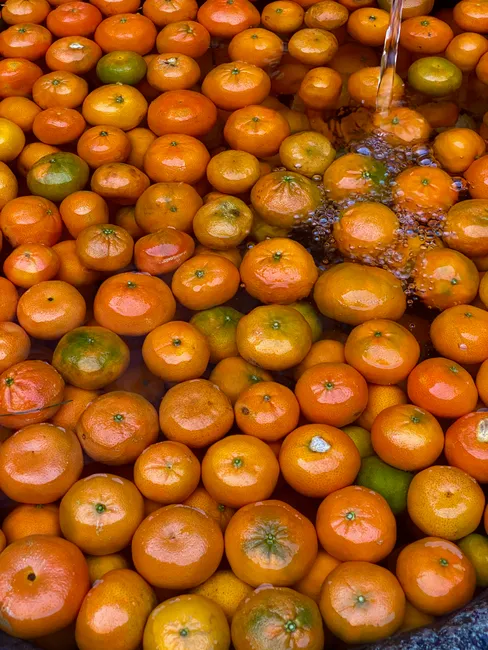
The SweetCott mandarin, developed by Les Domaines, received a community plant variety protection title on September 7, 2026, valid until 2056. This recognition, following rigorous evaluations, secures the marketing of this late-maturing variety, which is distinguished by its taste characteristics and its ability to meet international market demands.
Team AgriMaroc.ma, Source: Agrimaroc, published under the title "Agrumes : la mandarine marocaine SweetCott protégée dans l’U..." - 22 September 2026
Read more
Starting September 15, 2026, India will implement a fully digital licensing system for pesticides, replacing decades of paper-based compliance. This reform aims to modernize regulations, enhance product traceability, and increase transparency in a rapidly growing agrochemical market. Concerns remain regarding the ability of smaller players to adapt to these new digital requirements.
Source: Agropages, published under the title "India shifts pesticide industry to digital-only licensing an..." - 15 September 2026
Read more
The revision of patent law in Switzerland imposes a disclosure requirement for patented characteristics of plant varieties, thereby providing greater certainty to breeders in the development of new varieties. This measure, adopted by the Federal Council, aims to stimulate innovation by clarifying intellectual property rights and facilitating access to the European market for Swiss breeders.
Source: Agropages, published under the title "Switzerland – Greater legal certainty in plant breeding" - 11 September 2026
Read more
The Slovak government, led by Prime Minister Robert Fico, has decided to challenge the European regulation that relaxes rules on new genomic techniques, allowing for the development of more resilient plants. This decision follows the European Parliament's approval of these techniques, which raise concerns among environmental advocates.
Source: La France Agricole, published under the title "Les nouvelles techniques génomiques dans le viseur de la Slo..." - 8 September 2026
Read more
The French Association for Adjuvants has updated its list of equipment designed to reduce the spray drift of phytosanitary products, specifying reduction levels ranging from 66% to 95%. This update specifically targets low crops, viticulture, and arboriculture, emphasizing the importance of using approved equipment to benefit from regulatory adaptations of Non-Treated Zones. Approved adjuvants also play a complementary role in optimizing spraying.
Source: Wikiagri, published under the title "Mise à jour de la liste des équipements pour réduire la déri..." - 20 August 2026
Read more
India's Registration Commission has decided to restrict glyphosate use, mandating that its application be carried out only by trained professionals in response to concerns about health risks and workplace safety. This decision, made during the 474th meeting of the Commission, is based on an expert report and highlights the lack of scientific justification for unrestricted use. The issue remains under review by the Ministry of Agriculture, and the final decision will depend on their assessment.
Source: Agropages, published under the title "India reviews expert committee report on restricted use of g..." - 14 August 2026
Read more
The Office of the Gene Technology Regulator (OGTR) has received two applications for approval to commercially cultivate genetically modified plants, submitted by Pioneer Hi-Bred Australia and Bayer CropScience. Risk assessment and management plans will be subject to public consultation in December 2026 before any decision is made.
Source: Agropages, published under the title "Australian OGTR receives two licence applications for commer..." - 13 August 2026
Read more