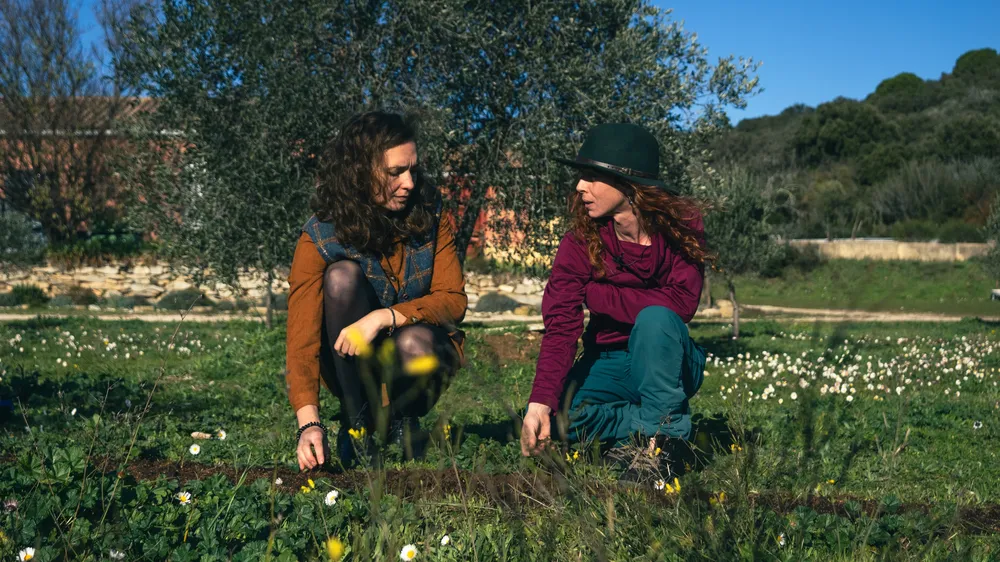
What if securing a plant supply chain meant not losing anything at all? The Phocaean Cosmetics has been working for seven years to transform the by-products of its own olive oil mill into cosmetic active ingredients. This innovation highlights its strategy to better control raw materials that are vulnerable to climate change. However, relocating production, warns its CSR manager, Sophie Dartois, cannot be decided solely from the industrial perspective.
Anne Barrat - 22 September 2026
Read more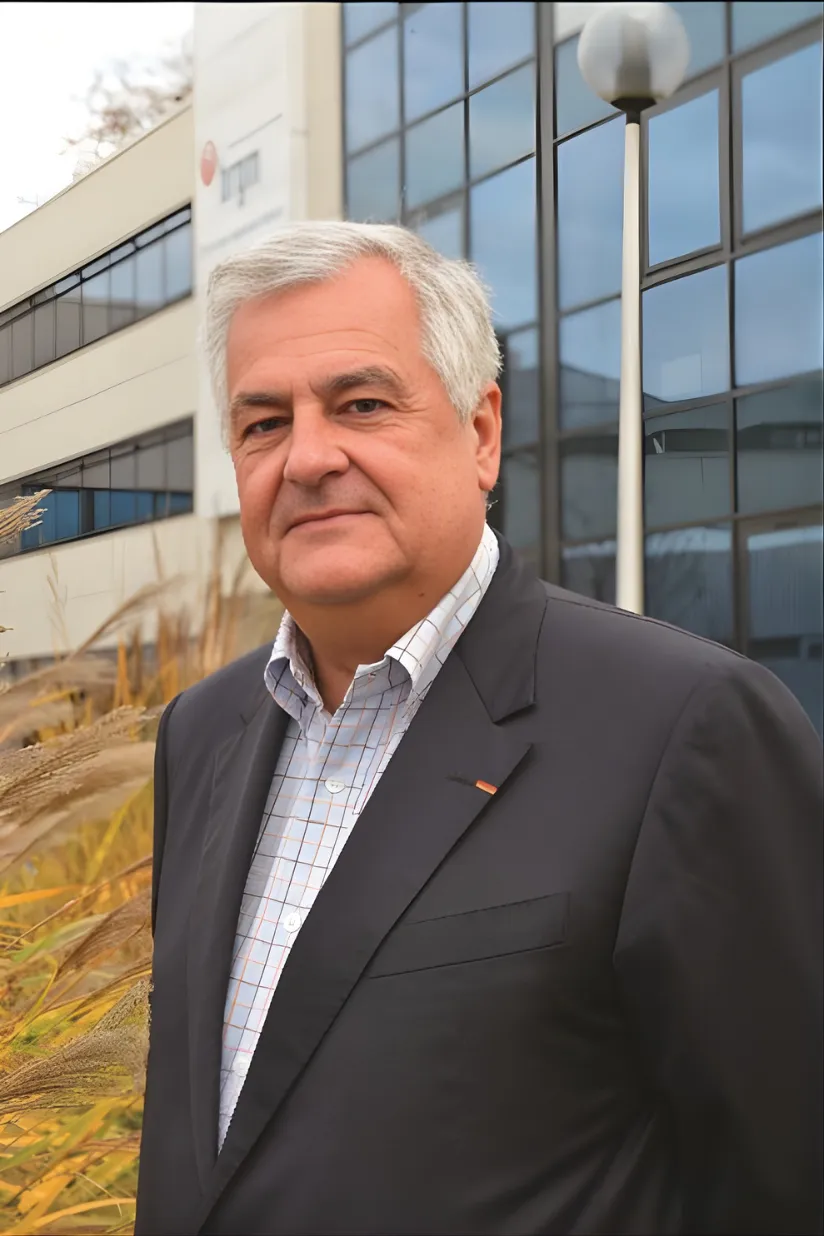
Leading a family-owned group active in the chocolate industry for more than a century, Jean-Paul Burrus advocates a strategy that remains rare in the sector: producing part of his own raw materials. According to him, this upstream integration serves a threefold objective: securing supplies, controlling quality, and differentiating oneself in increasingly volatile markets. In this interview, he reflects on the evolution of the global cocoa market, the future of cocoa production, and chocolate substitutes.
Anne Barrat - 1 June 2026
Read more
BASF and Bunge announce a partnership for the treatment of InVigor Gold™ canola seeds, an innovative hybrid of Brassica juncea. This project represents a significant advancement towards the commercialization of this seed, scheduled for 2027, and aims to provide farmers with an option suited for challenging growing environments. By collaborating with Bunge, BASF seeks to establish reliable market access for canola producers, thereby enhancing farmers' confidence in this new variety.
Source: Agropages, published under the title "BASF’s InVigor Gold canola seed to be processed by Bunge, su..." - 23 September 2026
Read more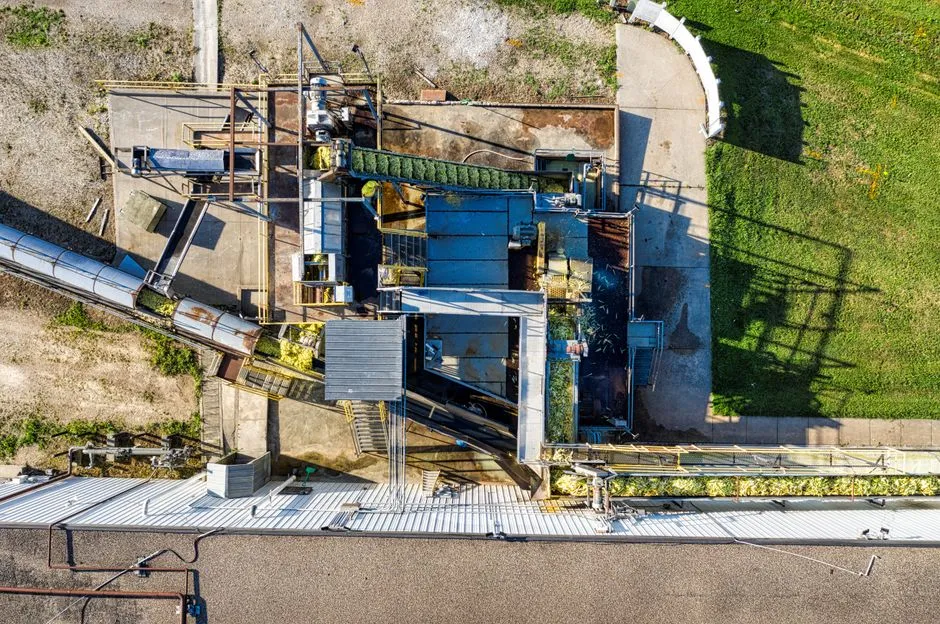
CHS, the largest agricultural cooperative in the United States, plans to build a soybean processing plant in Evansville, Wisconsin, with a capacity of 80 million bushels per year. This $700 million project aims to enhance oilseed processing capabilities and create market opportunities for local producers. Construction is expected to begin soon, leading to permanent jobs and increased demand for locally grown soybeans.
Source: Agropages, published under the title "CHS to build soybean processing facility in Wisconsin" - 16 September 2026
Read more
A consortium led by Wageningen has secured nearly 4 million euros to develop new foods from protein-rich by-products, particularly from rapeseed and legumes, over a six-year period. The project will combine separation technologies and fermentation to extract and transform these currently underutilized resources, aiming to overcome barriers to their commercialization.
Source: Wur, published under the title "Millions in funding to put proteins from agricultural side s..." - 8 September 2026
Read more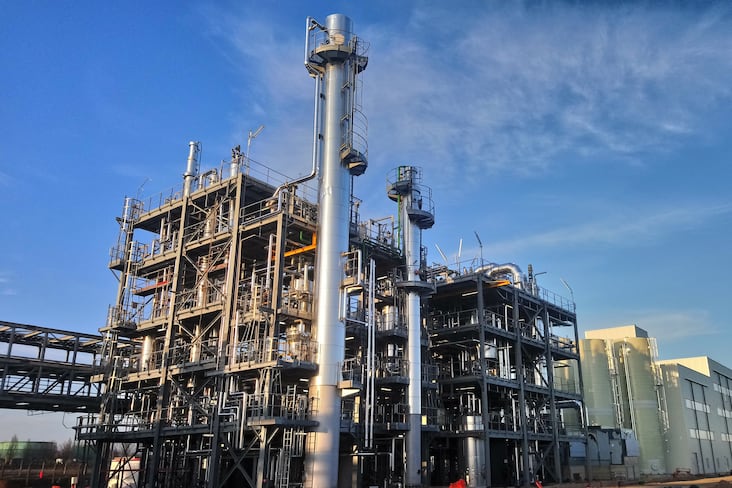
Maash, a Belgian biotech specializing in fermentation-derived mycoproteins, secures €12.15 million to accelerate its industrialization in Saint-Avold, Moselle. The company, which took over the former Metex site in 2024, plans to launch a demonstration unit before scaling up to an annual capacity of 10,000 tons. The funding involves private investors, Bpifrance, and France 2030.
Source: Usine Nouvelle, published under the title "Deux ans après le rachat d’une usine en Moselle, Maash y inj..." - 28 August 2026
Read more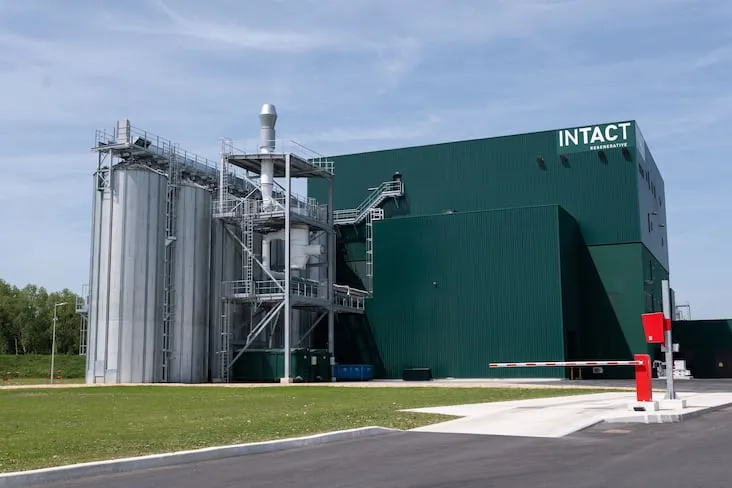
With the inauguration of its Baule factory, Intact takes a significant step in the industrialization of French legume sectors. The investment, raised to €75 million, is supported by a network of nearly 2,000 partner farmers and aims for 65,000 hectares cultivated in the medium term to establish a sustainable national production.
Source: Usine Nouvelle, published under the title "L’investissement passe de 50 à 75 millions d’euros : à Baule..." - 27 July 2026
Read more
The American group Bunge, one of the leading global traders and processors of agricultural commodities, is investing €4.4 million in the modernization of its Porto Corsini plant. This project aims to double soy processing capacity, strengthen purchases from Italian producers, and support the food and biofuel sectors.
MADISON HONG, Source: Igronews, published under the title "Bunge Invests €4.4 Million to Double Soybean Processing at I..." - 24 July 2026
Read more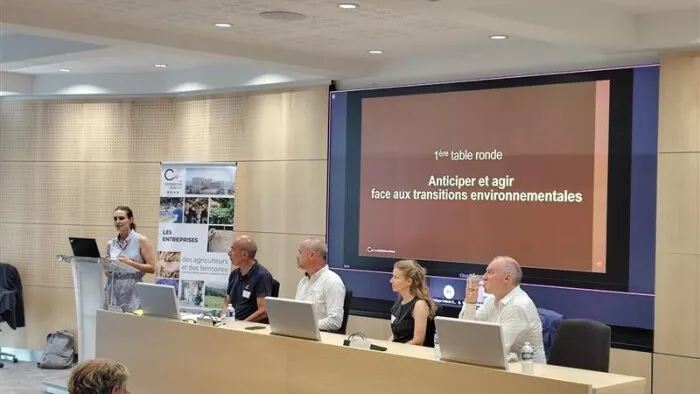
Reducing greenhouse gas emissions by 40% in industrial tools and 25% among farmers will cost over one billion euros by 2030, emphasized Christophe Grison, Vice President of La Coopération Agricole, during a morning session dedicated to carbon storage. In light of this investment challenge, industry stakeholders stress the urgency of transforming climate goals into concrete economic levers to engage producers. A central question remains: how to direct this funding?
Source: Agro Matin, published under the title "Transition carbone : les coopératives cherchent les leviers ..." - 6 July 2026
Read more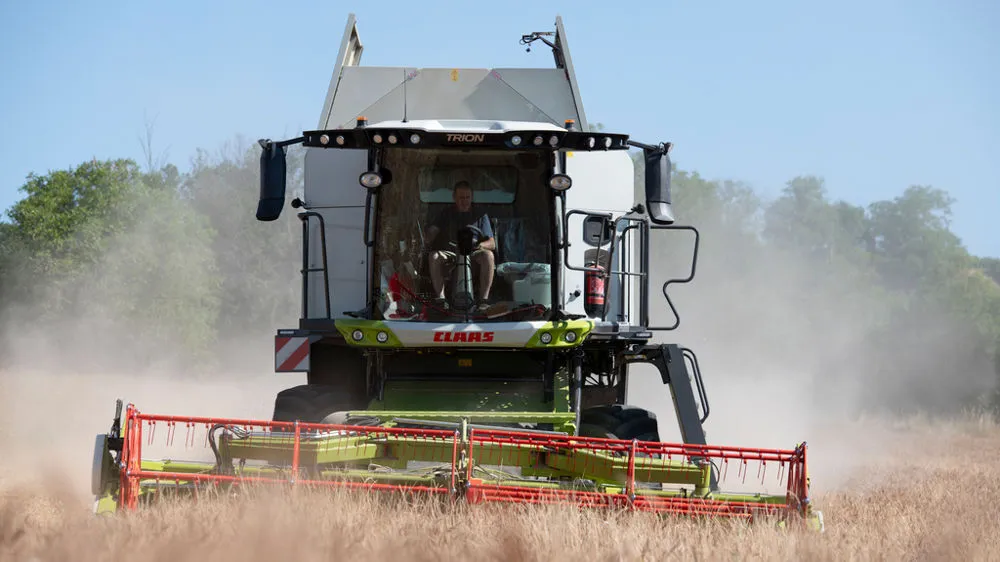
The harvest season intensifies pressure on wheat and rapeseed markets, with yields often disappointing in France. Market operators are turning their attention to production prospects in the Black Sea, which could play a crucial role in the evolution of prices and grain supply.
Source: La France Agricole, published under the title "Les moissons commencent à faire pression sur le marché du bl..." - 6 July 2026
Read more
Following agricultural operations, Surus Connect broadens its focus to include agricultural service providers, cooperative unions, and collection silos. The young Bordeaux-based company, which develops a protection device for isolated workers specifically designed for agriculture, aims to address the safety challenges in structures where employees often work alone in dispersed areas or poorly covered by networks.
Source: Agro Matin, published under the title "Surus Connect étend son système d’alerte aux ETA, CUMA et si..." - 3 July 2026
Read more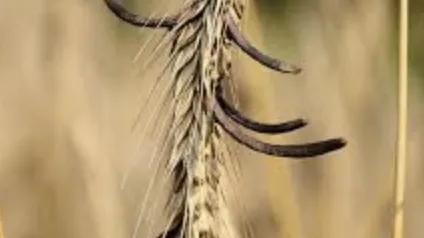
As rye ergot resurges and weed resistance grows, farmers face a critical crossroads. While some advocate for the return of controversial pesticides, others call for a shift towards agroecological practices. The situation is further complicated by the emergence of new resistances, threatening yields and food security.
Publié par Pleinchamp, Source: Pleinchamp, published under the title "Ergot de seigle, vulpin ou digitaire sanguine : champignons ..." - 25 June 2026
Read more