The evaluation of rapeseed varieties is experiencing significant advancements through the integration of modern technologies such as genomic editing and data analysis. These innovations aim to optimize yields and address sustainability challenges in the agri-food sector. The new methods enable more precise and rapid selection of varieties, thereby promoting the adoption of crops that are more resilient to climate change and market demands.
Source: Geves, published under the title "De nouvelles évolutions pour l’évaluation des variétés de co..." - 8 September 2026
Read more
A team of Chinese researchers has discovered a genetic barrier complicating the crossbreeding of African and Asian rice varieties. This breakthrough could pave the way for the creation of high-yield hybrids, combining the strengths of both species to enhance productivity and resilience against climate challenges. The findings, published in the journal Science, highlight key genes and underscore the importance of further research to optimize these new varieties.
Source: Agropages, published under the title "Chinese research team may have cracked secret to crossbreedi..." - 8 September 2026
Read more
The biofortified 'Sunshine' tomato, developed at the John Innes Centre, has received commercialization approval in the UK. This fruit, rich in provitamin D3, could provide an economical solution to vitamin D deficiency, a major public health issue. Research indicates it may contain as much vitamin D as two eggs while maintaining its appearance and yield. Next steps include breeding to enhance flavor and obtaining approval from the FSA.
Source: Agropages, published under the title "United Kingdom - Biofortified ‘Sunshine’ tomato one step clo..." - 8 September 2026
Read more
French biocontrol, adjuvants, and biostimulation specialist Vivagro has taken control of Techsealab, a Breton SME specializing in marine biotechnologies. This acquisition allows Vivagro to secure its seaweed supply and, for the first time, integrate a production site to better control its value chain.
Source: La France Agricole, published under the title "Biostimulants : Vivagro sécurise son approvisionnement en al..." - 8 September 2026
Read more
Twenty years after launching its first varieties of brassicas resistant to root rot, Syngenta positions itself as a leader with second-generation varieties. These new varieties offer enhanced resistance against all known pathotypes while emphasizing the importance of rigorous agronomic management for growers. The varieties will be showcased at the Field of Innovations event in 2026.
Source: Agropages, published under the title "Syngenta Vegetable Seeds: New second-generation clubroot-res..." - 8 September 2026
Read more
The OrphanCrops project from INRAE has received €1.45 million from the ERC to study several hundred crops that are currently neglected by research. The goal is to identify species capable of diversifying agricultural systems and better responding to future climatic conditions.
Source: Inrae, published under the title "Une bourse ERC pour explorer le potentiel des cultures orphe..." - 4 September 2026
Read more
Researcher Germain Montazeaud has received a €1.5 million grant from the European Research Council (ERC) to test the 'green beard' hypothesis in plants: certain genes may allow related individuals to recognize and cooperate with each other. Ultimately, this research could pave the way for the development of more efficient and resilient varietal mixtures.
Source: Inrae, published under the title "Une bourse ERC pour tester l’hypothèse de la « barbe verte »..." - 4 September 2026
Read more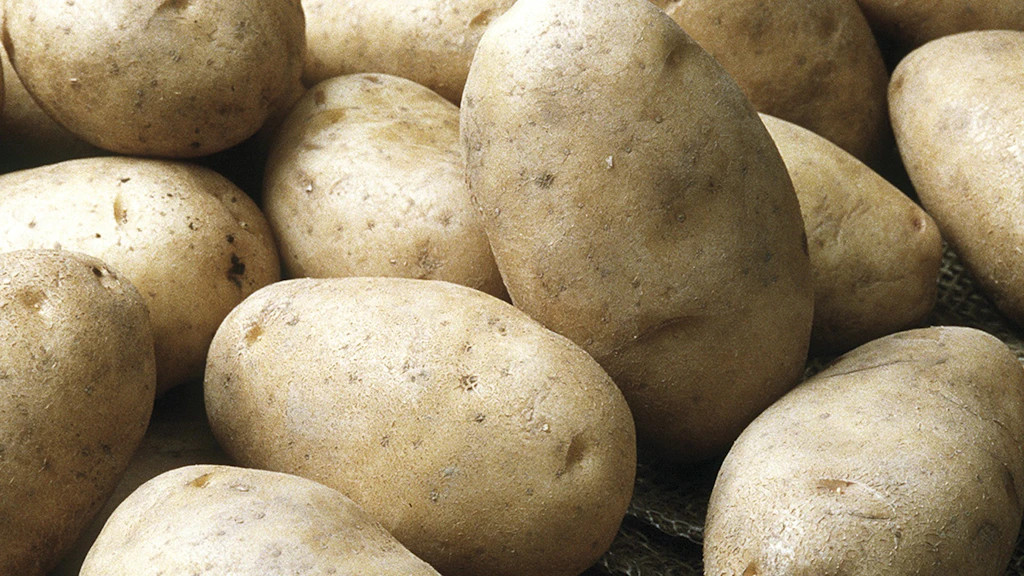
The Swisspatat press conference highlights the future challenges of potato cultivation in Switzerland, featuring insights from Agroscope scientists on the use of modern technologies like CRISPR to develop resistant varieties in response to climate and phytosanitary challenges. The event, set to take place in Zurich, aims to promote sustainable agriculture and meet high-quality standards in the sector.
Source: Agroscope, published under the title "Préparer la culture de la pomme de terre aux défis à venir" - 4 September 2026
Read more
ViroiDoc, a European network comprising 22 academic and industrial partners, is addressing viroids, small pathogenic agents that can significantly impact crop yields. The program focuses on early detection, new control strategies such as RNA-based sprays, and the effects of climate change on their transmission.
Source: Agropages, published under the title "Fighting the invisible invaders: How ViroiDoc safeguards our..." - 28 August 2026
Read more
American and German researchers, including those from the Boyce Thompson Institute and RWTH Aachen University, have demonstrated that ascaroside #18, a signaling molecule produced by nematodes, can 'prime' plant immune defenses without triggering a costly energy response. Field trials indicate that a foliar application can reduce the severity of certain fungal diseases and enhance the performance of crops such as corn and soybeans.
Source: Agropages, published under the title "Primed and ready to fight, a nematode pheromone arms plants ..." - 28 August 2026
Read more