

AI-assisted international press reviewPress review

Plant Diseases: A Global Mapping of Bacterial Pathogens
An international study led by Professor Brajesh Singh (University of Western Australia) has mapped the hotspots of bacterial plant pathogens by analyzing 1,602 soil metagenomes from 59 countries. Researchers identified 32 dominant pathogens, particularly prevalent in warm ecosystems and agricultural soils. The study also shows that microbial diversity and soil organic carbon can limit their presence, paving the way for microbiome-based disease management strategies.
Source: Agropages, published under the title "Global hotspots of plant bacterial pathogens revealed" - 11 March 2026
Read more
Agricultural Yields: Are Advances in Variety Selection Overestimated?
A study by researchers from the University of Nebraska published in Nature Communications suggests that yield gains attributed to variety selection may be largely overestimated. By analyzing 849 wheat varieties across several countries, the researchers demonstrate that a significant portion of the observed progress is actually due to maintenance selection aimed at sustaining performance against diseases and climate, rather than increasing yield potential.
Source: Agropages, published under the title "Global study reports crop yield gains from breeding may be o..." - 11 March 2026
Read more
Traditional Philippine Rice Reveals Key Genetic Traits for Climate Adaptation
A sequencing program of 1,001 traditional rice varieties, led by the Philippine Rice Research Institute and the University of the Philippines Los Baños, highlights early maturity traits and flood tolerance. These genetic resources could support the selection of more resilient and nutritious varieties in the face of climate challenges.
Source: Agropages, published under the title "Genomics study finds early maturing traits in PH heirloom ri..." - 11 March 2026
Read more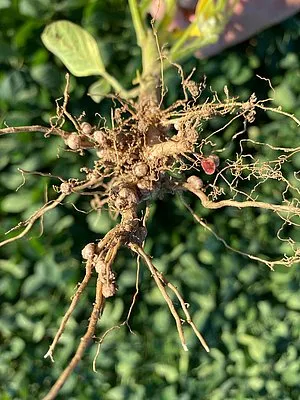
Soil Microbes: Unexpected Allies of Soybeans Against Nematodes
Researchers from the North Central Agricultural Research Laboratory of the USDA demonstrate that certain resistant soybean varieties recruit soil microorganisms capable of limiting the soybean cyst nematode (SCN), one of the most destructive pests of the crop. These microbial communities can then be transferred to other soils to protect sensitive varieties, paving the way for new protection strategies based on microbiome management.
Source: Agropages, published under the title "Soybeans recruit beneficial soil microbes to defend against ..." - 9 March 2026
Read more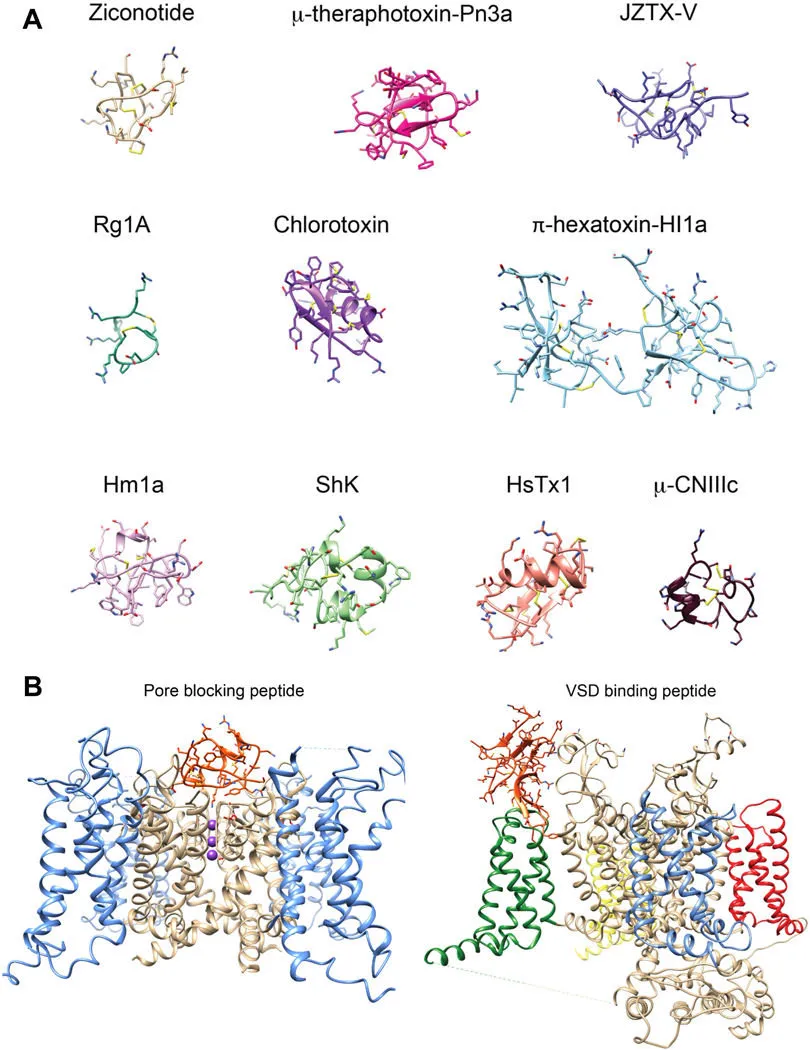
AI-Designed Toxins Could Revolutionize Biopesticides
A study shows that peptide toxins targeting insect sodium channels can serve as a basis for new biopesticides. Researchers have resolved the structure of the NavPaS channel bound to two insect-selective toxins, Av3 and LqhαIT, using cryo-EM. With AI-assisted protein design tools, the insecticidal efficacy of LqhαIT has been doubled, paving the way for more targeted and potentially safer pest control agents.
Source: Agropages, published under the title "Structural insights into insect-selective sodium channel tox..." - 9 March 2026
Read more
A New Compact Gene Editor to Enhance Plant Breeding
A study published in Nature Plants by researchers from the University of California, Davis, and the Innovative Genomics Institute (UC Berkeley) highlights a gene editor that is more compact than CRISPR/Cas9, capable of making effective genetic modifications in tobacco. Based on an enzyme derived from 'jumping genes', this tool could accelerate plant breeding by enabling precise modifications without the insertion of foreign DNA.
Source: Agropages, published under the title "A pint-sized gene editor could expand precision breeding in ..." - 23 February 2026
Read more
Miscanthus: Genetic Traits Identified to Enhance Soil Carbon Storage
Researchers from Aberystwyth University have identified specific traits of Miscanthus that could enhance carbon storage in soil, thereby contributing to the fight against climate change. This study, published in Frontiers in Plant Science, highlights the importance of low-lignin rhizomes and roots for optimizing carbon sequestration while maintaining high yields.
Source: Agropages, published under the title "Plant trait discovery could boost soil carbon storage" - 17 February 2026
Read more
Biochar as a Biological Regulator Against Soil Acidification
A recent study shows that applying alkaline biochar in plantations exposed to acid rain can enhance nitrogen availability in the soil. After two years of experimentation, researchers observed an increase in pH and various nitrogen fractions, confirming biochar's potential as a lever for sustainable nutrient management in acid-stressed environments.
Source: Springer, published under the title "Biochar-driven biological regulation dominates acid-hydrolyz..." - 15 February 2026
Read more
Improving Winter Wheat Forecasts with AI and Big Data
In the face of climate change, variety selection must adapt to local conditions. An international team led by the German IPK Leibniz Institute of Plant Genetics and Crop Plant Research has developed a method using AI and big data to identify the winter wheat varieties best suited to each environment. By integrating phenotypic, genomic data, and climatic parameters, researchers have enhanced yield forecasts equivalent to twelve years of conventional selection.
Source: Agropages, published under the title "Improving predictions for 'tailor-made' wheat with AI and bi..." - 12 February 2026
Read more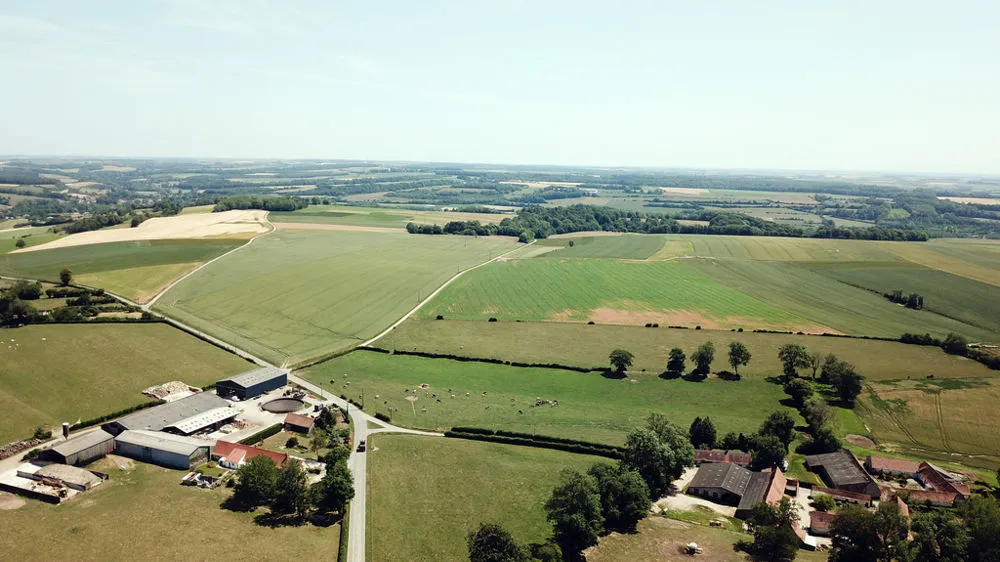
Climate Change: A Roadmap for French Agriculture by 2050
A joint study by InVivo, Crédit Agricole, Sofiprotéol, and Unigrains reveals that the profitability of French farms could be maintained by 2050, provided that significant investments are made now. Presented at the InVivo congress, this roadmap aims to guide future agricultural policies in the face of climate change challenges.
Source: La France Agricole, published under the title "Changement climatique : « il y a une voie de passage » pour ..." - 11 February 2026
Read more
Reducing Phosphorus Pollution with Calcium-Enriched Biochar
A study explores the effectiveness of calcium-modified biochar in adsorbing various organic phosphorus compounds, such as inositol hexaphosphate and ATP. The results reveal complex adsorption mechanisms, where electrostatic interactions and hydrogen bonding play a key role. Inositol hexaphosphate stands out for its high adsorption capacity, while the desorption of organic phosphates varies significantly. These findings highlight the importance of biochar in nutrient management and reducing environmental pollution.
Source: Springer, published under the title "Different adsorption of organic phosphorus on calcium modifi..." - 11 February 2026
Read more
Climate Risks for Wheat: A New Norm to Anticipate
A study by INRAE highlights the increasing unfavorable climatic conditions for wheat in France, predicting that up to 75% of growing seasons could be affected by the end of the century. The findings emphasize the importance of integrating structural climate risk into agricultural advice, prompting strategic adaptations such as varietal selection and planting management to confront this new reality.
Source: Agro Matin, published under the title "Blé : les années à risque pourraient devenir la norme" - 11 February 2026
Read moreNitrogen Biochar and Zero-Valent Iron: An Effective Strategy Against Acetochlor
A new approach using nitrogen biochar and zero-valent iron nanocomposites effectively degrades acetochlor in soil while protecting crop health. This method promotes the formation of iron plaques on roots, reducing pollutant absorption and increasing crop productivity, all while maintaining soil microbial diversity.
Source: Springer, published under the title "Novel multi-interface regulation of acetochlor fate in a soi..." - 11 February 2026
Read more
Why 50% of AgTech Startups Fail Despite Funding
Half of the failures of AgTech startups cannot be attributed to a lack of funding, but rather to high costs and adoption barriers. This is one of the findings from a study by the University of Nebraska–Lincoln, as global investments in the sector plummeted from $53 billion to $7 billion between 2021 and 2025. An analysis of 18 startups reveals that the most capital-intensive and hardest-to-adopt AgTech technologies, particularly in robotics and ag-biotech, are also the most prone to failure, unlike lighter solutions that are better integrated into existing practices.
Source: Agropages, published under the title "What Do the 18 AgTech Shutdowns in 2025 Really Tell Us?" - 6 February 2026
Read more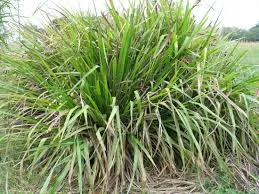
Potential of Native Species in the Pampa Biome for Phytostabilization of Heavy Metals
A recent study highlights the potential of native plant species from the Pampa biome to phytostabilize heavy metals such as copper, zinc, and manganese, often found in vineyard soils due to fungicide use. The results show that these species, particularly Paspalum notatum and Paspalum plicatulum, possess effective tolerance and detoxification mechanisms, offering potential solutions for managing contaminated soils in vineyards.
Source: Springer, published under the title "Phytostabilization potential and tolerance mechanisms of nat..." - 2 February 2026
Read more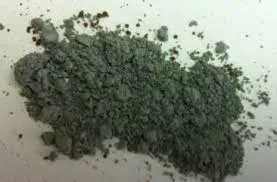
Reducing Tellurium Toxicity in Soils: The Potential of Nano-Biochar and Nano-Silicon
A recent study shows that combining tailored irrigation strategies with amendments based on nano-biochar and nano-silicon significantly reduces tellurium toxicity in soils. This rare metalloid, used primarily in electronics and certain industrial activities, can contaminate agricultural soils and accumulate in crops, impacting yields, food security, and the biological health of soils.
Source: Springer, published under the title "Role of Nano-Silicon, Nano-Biochar, and Irrigation Strategie..." - 27 January 2026
Read more
Crop Protection: The Driving Force of Agricultural Innovation in 2025
In 2025, innovation in agricultural inputs focuses on crop protection, prioritizing sustainability and resistance management, according to the iGrow News report that outlines the major trends in agricultural input innovation for 2025. New products, whether chemical or biological, aim to optimize existing solutions rather than introduce disruptive chemistries. This trend highlights the importance of managing agronomic risks in the face of increasing biological and regulatory pressures while maintaining economic balance in crop development.
SEPEHR ACHARD, Source: Igronews, published under the title "Crop Protection Continues to Dominate Agricultural Input Inn..." - 20 January 2026
Read more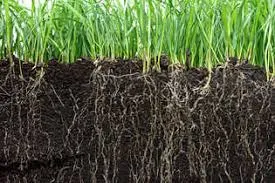
Soil Amendments to Combat Migratory Pests and Enhance Yields
In the face of challenges posed by migratory pests like locusts, farmers have limited effective management options. A recent study reveals that using soil amendments can not only reduce the abundance of these pests but also improve crop yields. By increasing the nitrogen content in plants, it is possible to decrease their palatability for herbivorous insects, thus offering a promising strategy for sustainable pest management in agroecosystems.
Source: Agropages, published under the title "Soil amendments suppress migratory pests and enhance yields" - 19 January 2026
Read more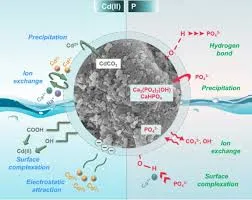
A New Material to Remove Cadmium and Phosphate from Polluted Waters
The Ca/pyro-hydrochar, derived from biomass of invasive species, demonstrates exceptional adsorption capacity for cadmium and phosphate while showing reduced environmental impacts. This innovation could transform pollutant management in aquatic ecosystems, providing an economical and ecological solution for decontamination.
Source: Springer, published under the title "Ca/Pyro-Hydrochar Derived from Invasive Species for Enhanced..." - 15 January 2026
Read more
The Sugarcane Industry Supported by the Biotechnological Revolution and Precision Agriculture
By 2025, the sugarcane industry underwent a radical transformation through the integration of biotechnological solutions and precision technologies, particularly the spraying of biopesticides. The market size for cane sugar, which has seen steady growth in recent years, is expected to grow by 3.1% between 2025 and 2026, from $186.7 billion to $192.5 billion.
Source: Agropages, published under the title "2025 Global Sugarcane Industry Annual Review:The Bio-Tech an..." - 14 January 2026
Read more