

AI-assisted international press reviewPress review

Miscanthus: Genetic Traits Identified to Enhance Soil Carbon Storage
Researchers from Aberystwyth University have identified specific traits of Miscanthus that could enhance carbon storage in soil, thereby contributing to the fight against climate change. This study, published in Frontiers in Plant Science, highlights the importance of low-lignin rhizomes and roots for optimizing carbon sequestration while maintaining high yields.
Source: Agropages, published under the title "Plant trait discovery could boost soil carbon storage" - 17 February 2026
Read more
Biochar as a Biological Regulator Against Soil Acidification
A recent study shows that applying alkaline biochar in plantations exposed to acid rain can enhance nitrogen availability in the soil. After two years of experimentation, researchers observed an increase in pH and various nitrogen fractions, confirming biochar's potential as a lever for sustainable nutrient management in acid-stressed environments.
Source: Springer, published under the title "Biochar-driven biological regulation dominates acid-hydrolyz..." - 15 February 2026
Read more
Improving Winter Wheat Forecasts with AI and Big Data
In the face of climate change, variety selection must adapt to local conditions. An international team led by the German IPK Leibniz Institute of Plant Genetics and Crop Plant Research has developed a method using AI and big data to identify the winter wheat varieties best suited to each environment. By integrating phenotypic, genomic data, and climatic parameters, researchers have enhanced yield forecasts equivalent to twelve years of conventional selection.
Source: Agropages, published under the title "Improving predictions for 'tailor-made' wheat with AI and bi..." - 12 February 2026
Read more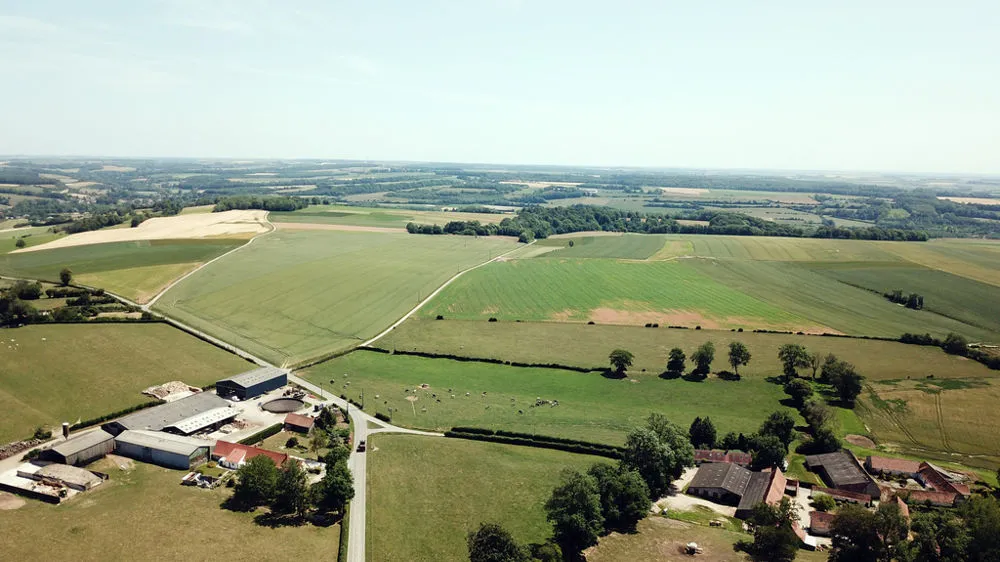
Climate Change: A Roadmap for French Agriculture by 2050
A joint study by InVivo, Crédit Agricole, Sofiprotéol, and Unigrains reveals that the profitability of French farms could be maintained by 2050, provided that significant investments are made now. Presented at the InVivo congress, this roadmap aims to guide future agricultural policies in the face of climate change challenges.
Source: La France Agricole, published under the title "Changement climatique : « il y a une voie de passage » pour ..." - 11 February 2026
Read more
Reducing Phosphorus Pollution with Calcium-Enriched Biochar
A study explores the effectiveness of calcium-modified biochar in adsorbing various organic phosphorus compounds, such as inositol hexaphosphate and ATP. The results reveal complex adsorption mechanisms, where electrostatic interactions and hydrogen bonding play a key role. Inositol hexaphosphate stands out for its high adsorption capacity, while the desorption of organic phosphates varies significantly. These findings highlight the importance of biochar in nutrient management and reducing environmental pollution.
Source: Springer, published under the title "Different adsorption of organic phosphorus on calcium modifi..." - 11 February 2026
Read more
Climate Risks for Wheat: A New Norm to Anticipate
A study by INRAE highlights the increasing unfavorable climatic conditions for wheat in France, predicting that up to 75% of growing seasons could be affected by the end of the century. The findings emphasize the importance of integrating structural climate risk into agricultural advice, prompting strategic adaptations such as varietal selection and planting management to confront this new reality.
Source: Agro Matin, published under the title "Blé : les années à risque pourraient devenir la norme" - 11 February 2026
Read moreNitrogen Biochar and Zero-Valent Iron: An Effective Strategy Against Acetochlor
A new approach using nitrogen biochar and zero-valent iron nanocomposites effectively degrades acetochlor in soil while protecting crop health. This method promotes the formation of iron plaques on roots, reducing pollutant absorption and increasing crop productivity, all while maintaining soil microbial diversity.
Source: Springer, published under the title "Novel multi-interface regulation of acetochlor fate in a soi..." - 11 February 2026
Read more
Why 50% of AgTech Startups Fail Despite Funding
Half of the failures of AgTech startups cannot be attributed to a lack of funding, but rather to high costs and adoption barriers. This is one of the findings from a study by the University of Nebraska–Lincoln, as global investments in the sector plummeted from $53 billion to $7 billion between 2021 and 2025. An analysis of 18 startups reveals that the most capital-intensive and hardest-to-adopt AgTech technologies, particularly in robotics and ag-biotech, are also the most prone to failure, unlike lighter solutions that are better integrated into existing practices.
Source: Agropages, published under the title "What Do the 18 AgTech Shutdowns in 2025 Really Tell Us?" - 6 February 2026
Read more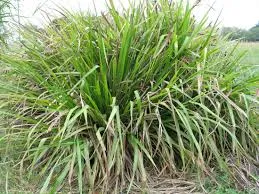
Potential of Native Species in the Pampa Biome for Phytostabilization of Heavy Metals
A recent study highlights the potential of native plant species from the Pampa biome to phytostabilize heavy metals such as copper, zinc, and manganese, often found in vineyard soils due to fungicide use. The results show that these species, particularly Paspalum notatum and Paspalum plicatulum, possess effective tolerance and detoxification mechanisms, offering potential solutions for managing contaminated soils in vineyards.
Source: Springer, published under the title "Phytostabilization potential and tolerance mechanisms of nat..." - 2 February 2026
Read more
Reducing Tellurium Toxicity in Soils: The Potential of Nano-Biochar and Nano-Silicon
A recent study shows that combining tailored irrigation strategies with amendments based on nano-biochar and nano-silicon significantly reduces tellurium toxicity in soils. This rare metalloid, used primarily in electronics and certain industrial activities, can contaminate agricultural soils and accumulate in crops, impacting yields, food security, and the biological health of soils.
Source: Springer, published under the title "Role of Nano-Silicon, Nano-Biochar, and Irrigation Strategie..." - 27 January 2026
Read more
Crop Protection: The Driving Force of Agricultural Innovation in 2025
In 2025, innovation in agricultural inputs focuses on crop protection, prioritizing sustainability and resistance management, according to the iGrow News report that outlines the major trends in agricultural input innovation for 2025. New products, whether chemical or biological, aim to optimize existing solutions rather than introduce disruptive chemistries. This trend highlights the importance of managing agronomic risks in the face of increasing biological and regulatory pressures while maintaining economic balance in crop development.
SEPEHR ACHARD, Source: Igronews, published under the title "Crop Protection Continues to Dominate Agricultural Input Inn..." - 20 January 2026
Read more
Soil Amendments to Combat Migratory Pests and Enhance Yields
In the face of challenges posed by migratory pests like locusts, farmers have limited effective management options. A recent study reveals that using soil amendments can not only reduce the abundance of these pests but also improve crop yields. By increasing the nitrogen content in plants, it is possible to decrease their palatability for herbivorous insects, thus offering a promising strategy for sustainable pest management in agroecosystems.
Source: Agropages, published under the title "Soil amendments suppress migratory pests and enhance yields" - 19 January 2026
Read more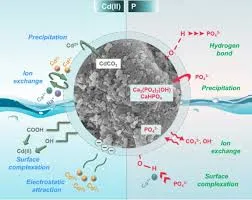
A New Material to Remove Cadmium and Phosphate from Polluted Waters
The Ca/pyro-hydrochar, derived from biomass of invasive species, demonstrates exceptional adsorption capacity for cadmium and phosphate while showing reduced environmental impacts. This innovation could transform pollutant management in aquatic ecosystems, providing an economical and ecological solution for decontamination.
Source: Springer, published under the title "Ca/Pyro-Hydrochar Derived from Invasive Species for Enhanced..." - 15 January 2026
Read more
The Sugarcane Industry Supported by the Biotechnological Revolution and Precision Agriculture
By 2025, the sugarcane industry underwent a radical transformation through the integration of biotechnological solutions and precision technologies, particularly the spraying of biopesticides. The market size for cane sugar, which has seen steady growth in recent years, is expected to grow by 3.1% between 2025 and 2026, from $186.7 billion to $192.5 billion.
Source: Agropages, published under the title "2025 Global Sugarcane Industry Annual Review:The Bio-Tech an..." - 14 January 2026
Read more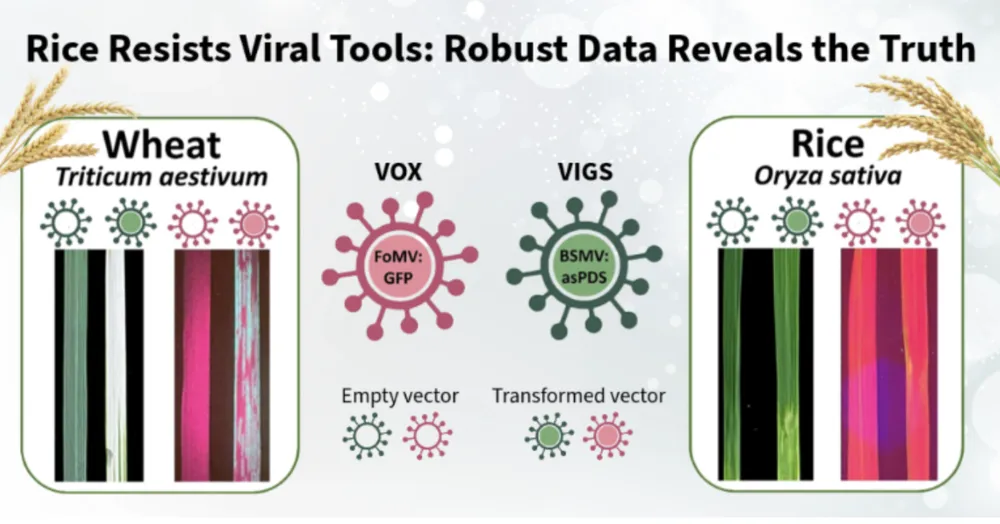
Ineffective Viral Tools for Modifying Rice Genes
A joint study between the UK and Brazil reveals that two widely used viral vectors for studying gene function, which have proven effective in other crops like wheat, produce no observable changes in rice.
Source: Agropages, published under the title "Rice resists change: Study reveals viral tools fall short" - 12 January 2026
Read more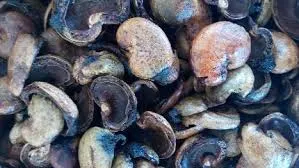
Co-Gasification of Rice Husks and Cashew Shells: A Step Towards Cleaner Energy
The journal Environmental Science and Pollution Research (ESPR) publishes a study on the synergistic effect of co-gasification of rice husks and cashew shells in a fixed bed reactor, highlighting the benefits of this method for syngas production. Using mixtures at different ratios, the results show a significant improvement in energy yields and a reduction in waste, underscoring the potential of biomass as a sustainable alternative to fossil fuels.
Source: Springer, published under the title "Investigation of the synergistic effect of co-gasification o..." - 12 January 2026
Read more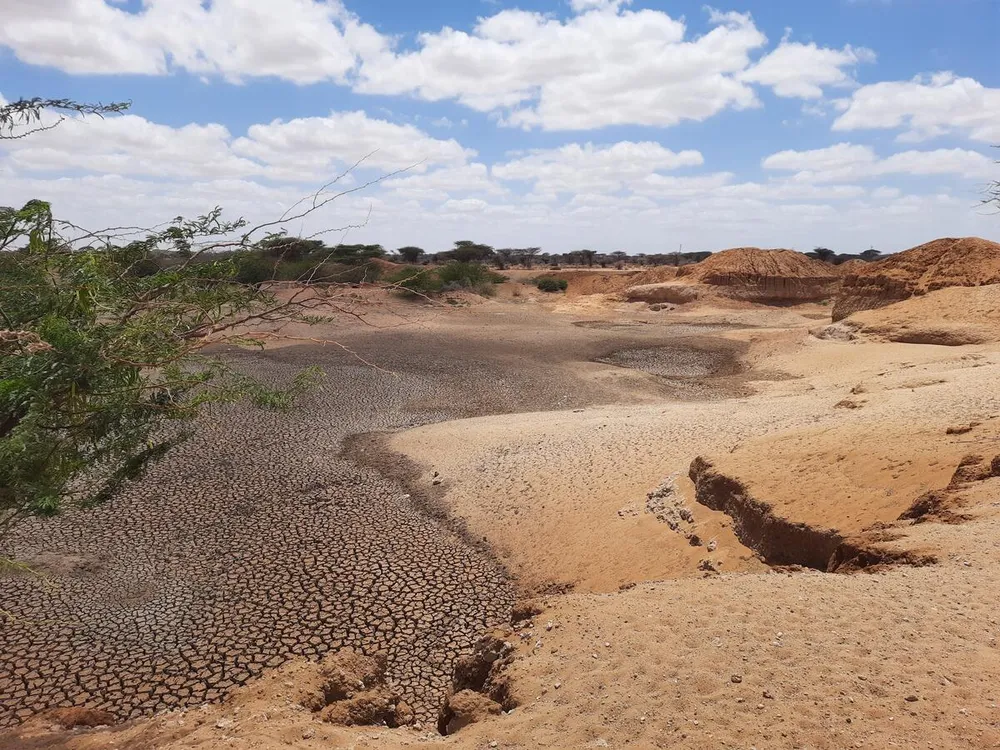
1.7 billion people threatened by agricultural land degradation, says FAO
Human activities are degrading land and threatening 1.7 billion people and the future of agriculture: The FAO 2025 report warns of yield losses, rural poverty, and malnutrition, while proposing innovative solutions such as sustainable soil management, crop rotation, and policy incentives to restore productivity and enhance global food security.
Source: Fao, published under the title "Rapport de la FAO: Les baisses de rendement agricole dues à ..." - 5 November 2025
Read more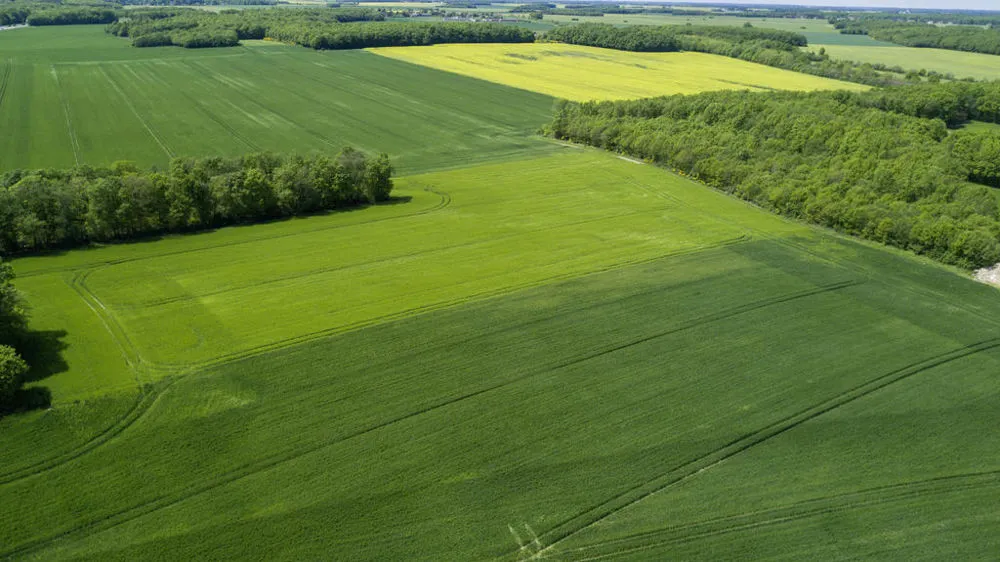
Crop Rotation Increases Yields by 20%
Crop rotation: An international study by Inrae and the Agricultural University of China reveals a 20% increase in yield and income, along with improved nutritional quality of products. In Europe, this practice is already widely adopted to enhance sustainable agriculture!
Source: La France Agricole, published under the title "La rotation des cultures dope les rendements et les revenus ..." - 5 November 2025
Read moreThe 2025 Report on the Quality of American Wheat is Now Available
U.S. Wheat Associates has released its 46th report on wheat crop quality. The analysis of over 2,250 samples highlights the reliability of American wheat.
Source: Agropages, published under the title "2025 U.S. Crop Quality Report provides essential data for gl..." - 24 October 2025
Read more
Impact of Long-Term Oil Pollution on Bacteria in Iranian Arid Soils
Long-term oil pollution threatens soil health, biodiversity, and terrestrial ecosystems, particularly in arid environments, where its effects on bacterial communities remain under-researched. This study conducted in Iran highlights the need for remediation strategies to preserve ecosystem functions.
Source: Springer, published under the title "Effect of Over a Century of Oil Contamination on Total and C..." - 21 October 2025
Read more