

AI-assisted international press reviewPress review
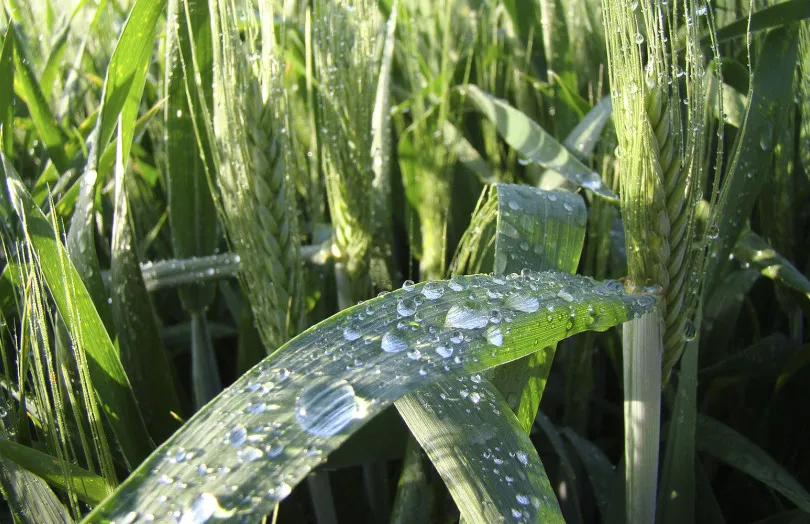
Soft and Hard Wheat: Managing Fusarium Risk and Protection Strategies Amid Health and Climate Challenges
Wheat flowering is a critical period for contamination by fusariosis, a group of fungal diseases that can affect both yield and grain quality. In contrasting weather conditions, between rainy episodes and thermal stress, diagnosing symptoms observed in the field becomes particularly complex, blending real diseases with physiological disorders. Understanding risk factors, distinguishing the origins of symptoms, and correctly positioning fungicide interventions are essential to preserve crop potential, especially against the risk of mycotoxin production such as DON. Hard wheats require systematic protection, while soft wheats must be assessed according to a risk grid to maintain yield and quality.
Source: Arvalis, published under the title "Pluies à la floraison des blés : prévoir une protection fong..." - 7 May 2026
Read more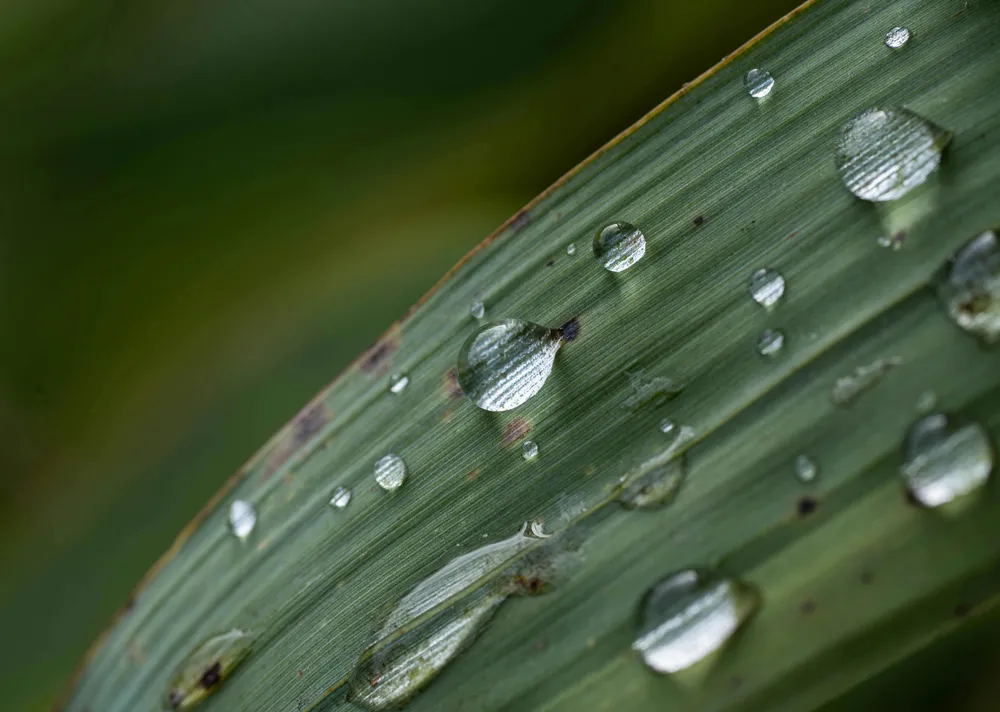
Towards Optimized Application of Biopesticides: Impact of Nozzles and Droplet Size on Microbial Efficacy
A study evaluated the foliar application of biopesticides by analyzing the droplet sizes produced during spraying. The range of 100 to 300 μm, deemed optimal for leaf penetration and microorganism viability, was examined based on different types of hydraulic nozzles and application pressures. Results show that these parameters significantly influence droplet distribution. Despite slight variations from water, biological solutions remain suitable for effective foliar application with conventional equipment.
Source: Agropages, published under the title "Droplet size distribution characteristics of Bacillus thurin..." - 7 May 2026
Read more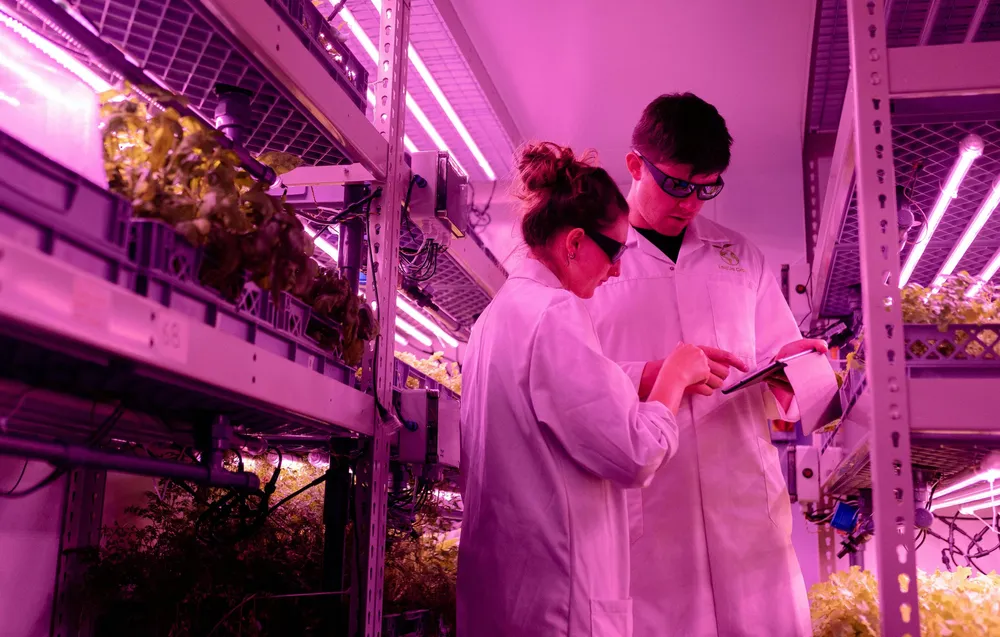
Biostimulants and Specialty Fertilizers: Market Growth Becomes More Selective
At the NewAG International Annual 2026 session, DunhamTrimmer highlighted a transformation in input markets, where growth persists but becomes more complex to capture. Innovation is shifting towards advanced delivery systems and biological integration rather than just nutrients. Companies must navigate an uneven market, where the ability to demonstrate return on investment and integrate into real agricultural systems becomes crucial to capture value.
Source: Agropages, published under the title "Growth becomes more selective in biologicals and specialty f..." - 7 May 2026
Read more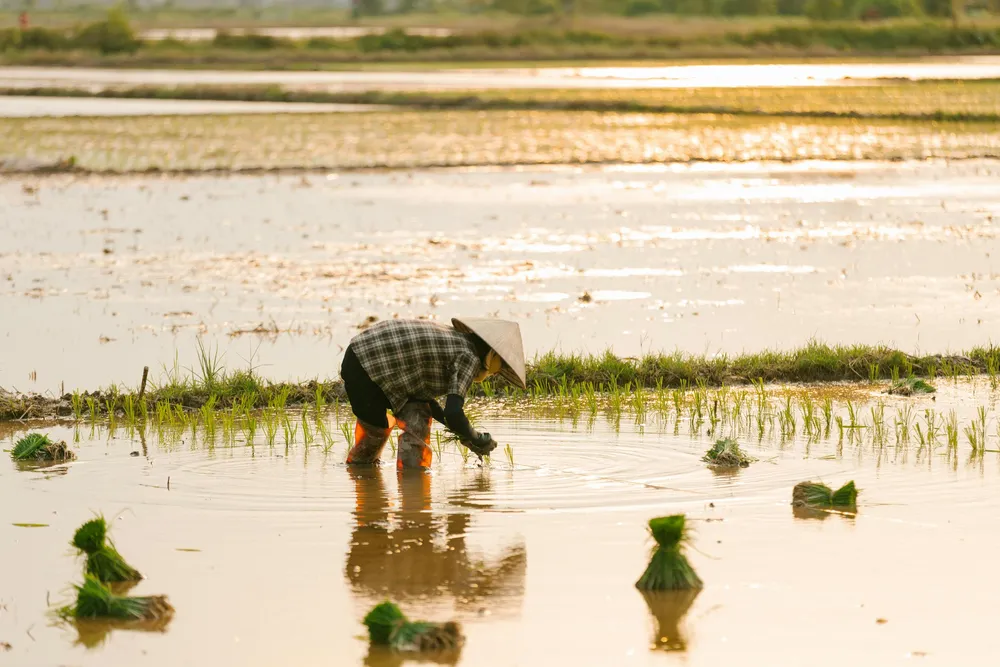
Rice and Climate: Towards More Resilient Varieties Through Root Biology and Genetics
In the face of growing climate challenges, an international network of researchers is mobilizing to protect rice, a staple food for over half of the world's population. By exploring root biology and developing heat and salinity-tolerant varieties, this initiative aims to create resilient rice varieties.
Source: Agropages, published under the title "Global research network puts rice roots at the center of cli..." - 5 May 2026
Read more
Untitled
An international study conducted by researchers at EPFL (École polytechnique fédérale de Lausanne) reveals that the adoption of already available sustainable construction technologies could reduce carbon emissions from building materials, particularly cement and steel, by 73% by 2050. Improvements in the design, production, and recycling of materials are crucial for long-term emission reductions. The production of building materials accounts for up to 17% of global CO2 emissions.
Source: Epfl, published under the title "Construction tech could reduce emissions while supporting gr..." - 5 May 2026
Read more
Agricultural Research: A Global Dynamic Driven by Asia, Yet Unequal Among Countries
The FAO (Food and Agriculture Organization of the United Nations) has launched a new data domain on agricultural research and development, revealing that global public spending reached $50.4 billion in 2023. This initiative, covering over 120 member states, highlights the growth in the number of researchers, now totaling 316,000. Asia dominates the agricultural R&D landscape, accounting for 45% of researchers and 48% of spending, while significant variations in investment and research capabilities are observed globally.
SEPEHR ACHARD, Source: Igronews, published under the title "FAO Launches Global Agricultural R&D Database Showing $50.4 ..." - 4 May 2026
Read more
Pest Management: AI Achieves 88% Accuracy in Predicting Thrips Outbreaks
A Texas A&M study reveals that artificial intelligence can accurately predict thrips outbreaks, enabling farmers to anticipate threats before they impact crops. With machine learning models achieving 88% accuracy, researchers demonstrated that AI can analyze thousands of environmental data points to provide localized forecasts and enhance pest management.
Source: Agropages, published under the title "AI-powered forecasts sharpen early warning for destructive c..." - 4 May 2026
Read more
51 Million Tons of Carbon Saved: DJI Highlights Growing Impact of Precision Spraying with 600,000 Drones
DJI Agriculture's annual report highlights the significant impact of drones on crop efficiency and environmental sustainability. With over 600,000 drones in operation, the company is strengthening its support and training network for farmers. Recent studies have shown that the global adoption of agricultural drones has saved 410 million tons of water and reduced carbon emissions by 51 million tons.
Source: Agropages, published under the title "DJI Agriculture reveals global adoption of agricultural dron..." - 1 May 2026
Read more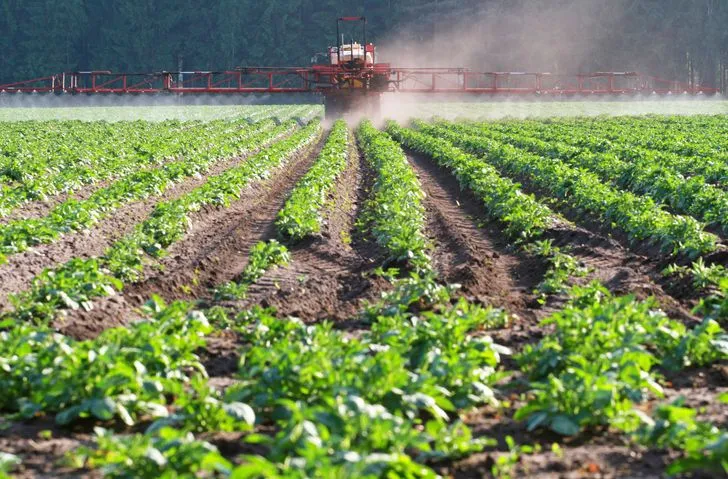
Glyphosate: In the Face of Early Withdrawal Challenges, New Weeding Technologies Emerge as Solutions
As legal controversies surrounding glyphosate threaten its future in the United States, some experts warn of the risks of a hasty withdrawal for agriculture. Despite its limitations, this herbicide remains difficult to replace in terms of cost, effectiveness, and environmental impact. To achieve sustainable solutions, the most credible path lies not in prohibition but in the development of more efficient weeding technologies.
Dan Blaustein-Rejto, Source: Agfundernews, published under the title "Guest article: The future of glyphosate may rest with innova..." - 1 May 2026
Read more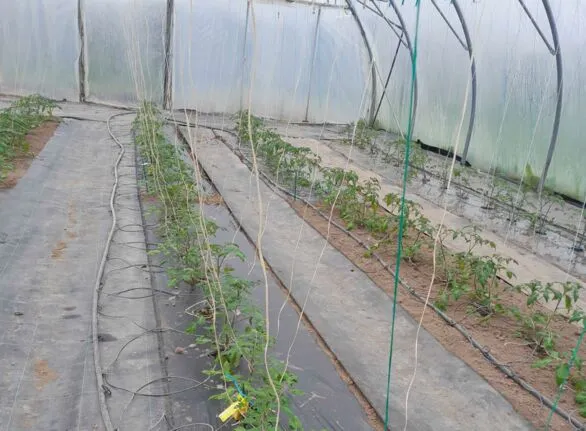
Market Gardening: Agricultural Plastics Facing the Challenge of Recycling and Sustainable Alternatives
The plastics used in market gardening, while practical, pose significant environmental challenges. Farmers, facing a high contamination rate (averaging 70%), are exploring various alternatives, ranging from recycling to the use of biodegradable films and cover crops. The results of experiments show that each option has its advantages and disadvantages, highlighting the lack of a universal solution.
Publié par Pleinchamp, Source: Pleinchamp, published under the title "Recycler, biodégrader, remplacer ? Le casse-tête des plastiq..." - 1 May 2026
Read more
Biofungicides: Up to 65% Less CO₂ Compared to Chemical Solutions, Says Bureau Veritas
A comparative assessment shows that biological solutions are gaining strategic relevance, offering agronomic performance comparable to chemical products while enhancing soil health. Bureau Veritas's study reveals that biological fungicides, such as Biotrop's Bombardeiro, emit up to 65% less CO₂ than conventional chemical fungicides.
Source: Agropages, published under the title "Groundbreaking study reveals environmental advantage of biol..." - 30 April 2026
Read more
New Peer Communities: Towards Equitable Scientific Publishing
Source: Agroparistech, published under the title "De nouvelles communautés PCI pour une science plus ouverte" - 29 April 2026
Read more
RNA Biopesticides: Nanoparticles Enhance Cotton Bollworm Control Efficiency
The use of chitosan nanoparticles to encapsulate double-stranded RNA (dsRNA) has shown increased efficacy against the cotton pest Helicoverpa armigera, while ensuring safety for pollinators. Results indicate a significant increase in larval mortality, even at reduced concentrations, with no observed toxicity to bees.
Source: Agropages, published under the title "Chitosan-protected dsRNA increases efficacy against Helicove..." - 28 April 2026
Read more
Effectiveness of Brachiaria Mavuno in Nematode Management Confirmed by Study
A study conducted by Araucária Soluções Agronômicas demonstrates that Brachiaria Mavuno, developed by Wolf Seeds, is an effective alternative for controlling nematode populations while improving soil structure. With a 65.8% reduction in nematodes compared to a soybean control, Mavuno stands out for its ability to maintain a high root mass, essential for soil health and the productivity of subsequent crops.
Source: Agropages, published under the title "Study confirms Mavuno hybrid brachiaria efficiency for nemat..." - 1 April 2026
Read more
Plant Diseases: A Global Mapping of Bacterial Pathogens
An international study led by Professor Brajesh Singh (University of Western Australia) has mapped the hotspots of bacterial plant pathogens by analyzing 1,602 soil metagenomes from 59 countries. Researchers identified 32 dominant pathogens, particularly prevalent in warm ecosystems and agricultural soils. The study also shows that microbial diversity and soil organic carbon can limit their presence, paving the way for microbiome-based disease management strategies.
Source: Agropages, published under the title "Global hotspots of plant bacterial pathogens revealed" - 11 March 2026
Read more
Agricultural Yields: Are Advances in Variety Selection Overestimated?
A study by researchers from the University of Nebraska published in Nature Communications suggests that yield gains attributed to variety selection may be largely overestimated. By analyzing 849 wheat varieties across several countries, the researchers demonstrate that a significant portion of the observed progress is actually due to maintenance selection aimed at sustaining performance against diseases and climate, rather than increasing yield potential.
Source: Agropages, published under the title "Global study reports crop yield gains from breeding may be o..." - 11 March 2026
Read more
Traditional Philippine Rice Reveals Key Genetic Traits for Climate Adaptation
A sequencing program of 1,001 traditional rice varieties, led by the Philippine Rice Research Institute and the University of the Philippines Los Baños, highlights early maturity traits and flood tolerance. These genetic resources could support the selection of more resilient and nutritious varieties in the face of climate challenges.
Source: Agropages, published under the title "Genomics study finds early maturing traits in PH heirloom ri..." - 11 March 2026
Read more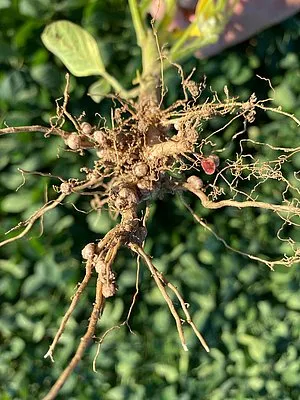
Soil Microbes: Unexpected Allies of Soybeans Against Nematodes
Researchers from the North Central Agricultural Research Laboratory of the USDA demonstrate that certain resistant soybean varieties recruit soil microorganisms capable of limiting the soybean cyst nematode (SCN), one of the most destructive pests of the crop. These microbial communities can then be transferred to other soils to protect sensitive varieties, paving the way for new protection strategies based on microbiome management.
Source: Agropages, published under the title "Soybeans recruit beneficial soil microbes to defend against ..." - 9 March 2026
Read more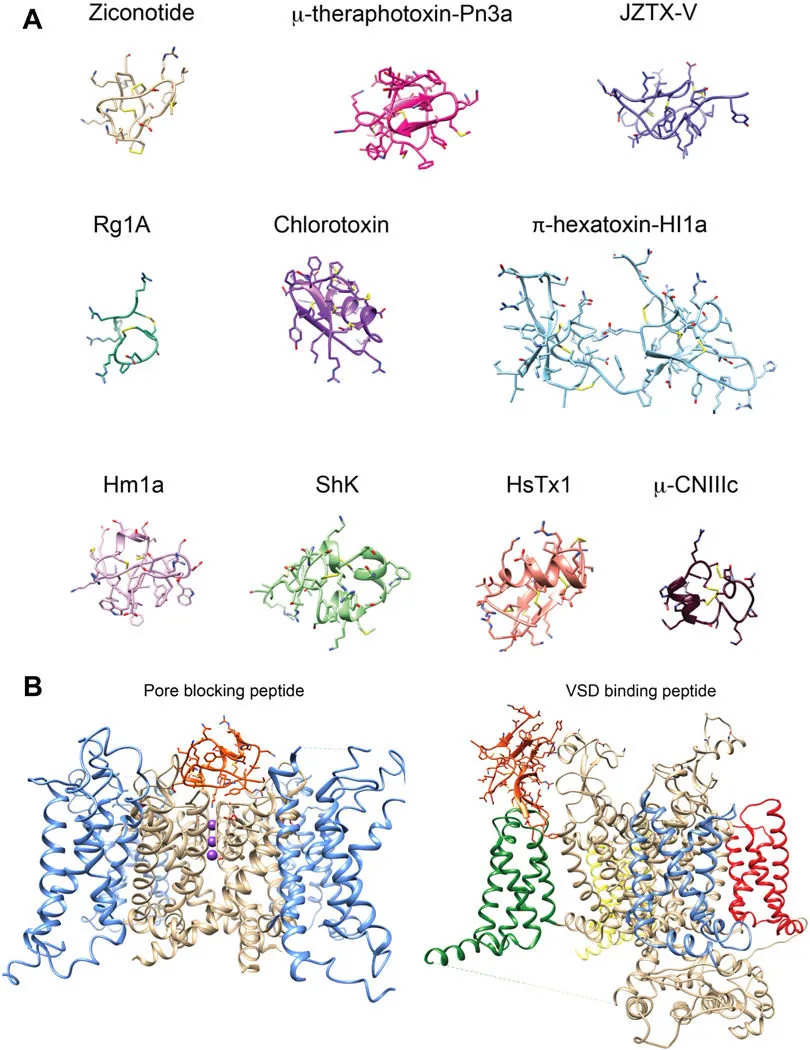
AI-Designed Toxins Could Revolutionize Biopesticides
A study shows that peptide toxins targeting insect sodium channels can serve as a basis for new biopesticides. Researchers have resolved the structure of the NavPaS channel bound to two insect-selective toxins, Av3 and LqhαIT, using cryo-EM. With AI-assisted protein design tools, the insecticidal efficacy of LqhαIT has been doubled, paving the way for more targeted and potentially safer pest control agents.
Source: Agropages, published under the title "Structural insights into insect-selective sodium channel tox..." - 9 March 2026
Read more
A New Compact Gene Editor to Enhance Plant Breeding
A study published in Nature Plants by researchers from the University of California, Davis, and the Innovative Genomics Institute (UC Berkeley) highlights a gene editor that is more compact than CRISPR/Cas9, capable of making effective genetic modifications in tobacco. Based on an enzyme derived from 'jumping genes', this tool could accelerate plant breeding by enabling precise modifications without the insertion of foreign DNA.
Source: Agropages, published under the title "A pint-sized gene editor could expand precision breeding in ..." - 23 February 2026
Read more