

AI-assisted international press reviewPress review
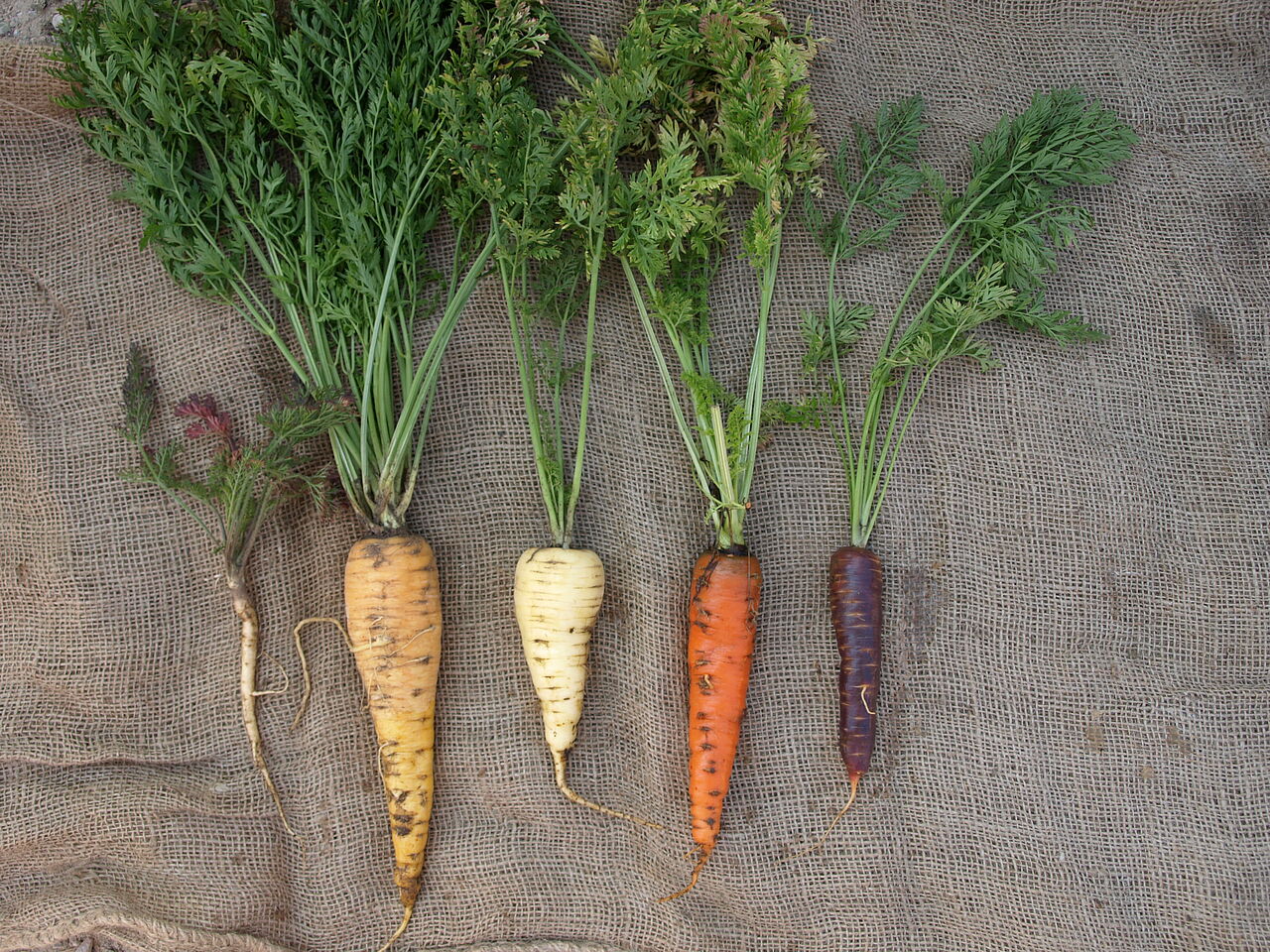
In the Face of Climate Change, Wild Relatives of Crops Become Key Assets for Plant Breeding in Switzerland
Confronted with genetic diversity loss and climate change challenges, Switzerland is rediscovering wild relatives of crops. These plants, carrying resistance genes, are central to new conservation and breeding strategies. In situ protection programs and seed banks aim to preserve this vital genetic heritage for the agriculture of tomorrow.
Source: Agir Info, published under the title "Des plantes sauvages pour renforcer l’agriculture suisse" - 29 June 2026
Read more
Biofuels: The Hormuz Strait Crisis Revives Global Demand
The crisis in the Hormuz Strait and tensions in energy markets are giving new momentum to biofuels. From Brazil to Indonesia, several countries are strengthening their policies on ethanol and biodiesel incorporation to reduce dependence on fossil fuels. According to various analyses, global demand could increase by nearly 30% between 2025 and 2026, confirming the return of agricultural-origin fuels to the forefront of energy security strategies.
Source: Usine Nouvelle, published under the title "Les agrocarburants sont-ils les grands gagnants de la crise ..." - 19 June 2026
Read more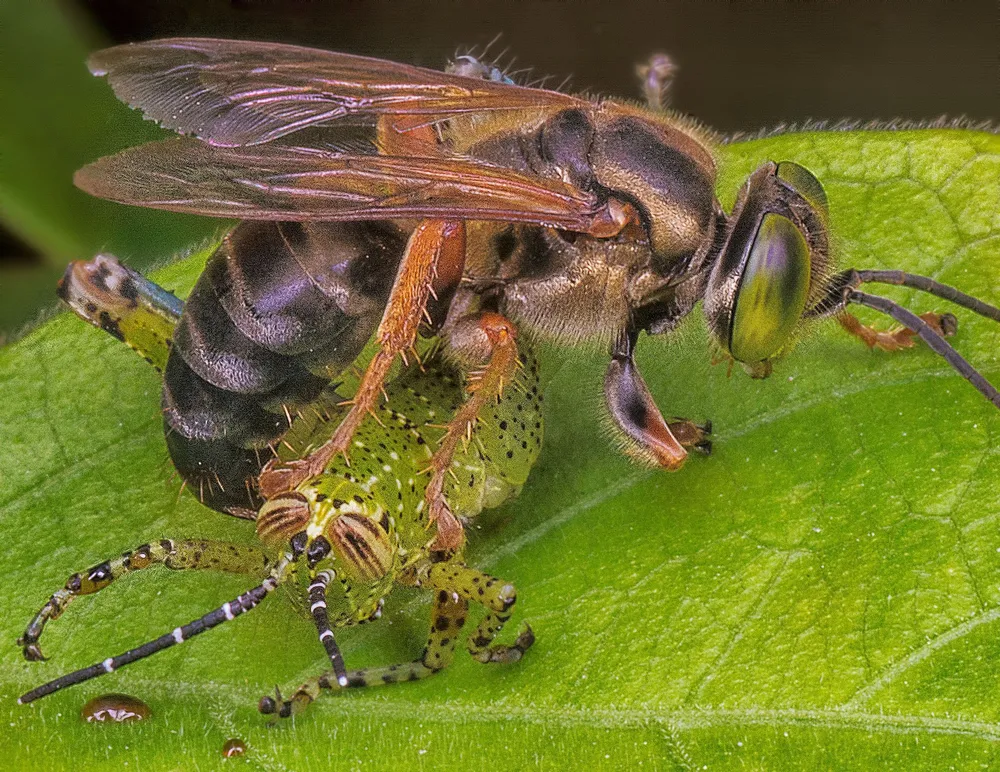
Untitled
What if future biopesticides were inspired by the venoms of parasitic insects? A synthesis of recent research shows how these organisms manipulate their hosts through multifunctional proteins, offering new perspectives for biological crop protection. The study highlights complex mechanisms of immune inhibition and metabolic reprogramming, while emphasizing the challenges related to the functional identification of candidate proteins, essential for the development of effective biocontrol tools.
Source: Agropages, published under the title "Parasitoid insect venom proteins: Identification, functions,..." - 19 June 2026
Read more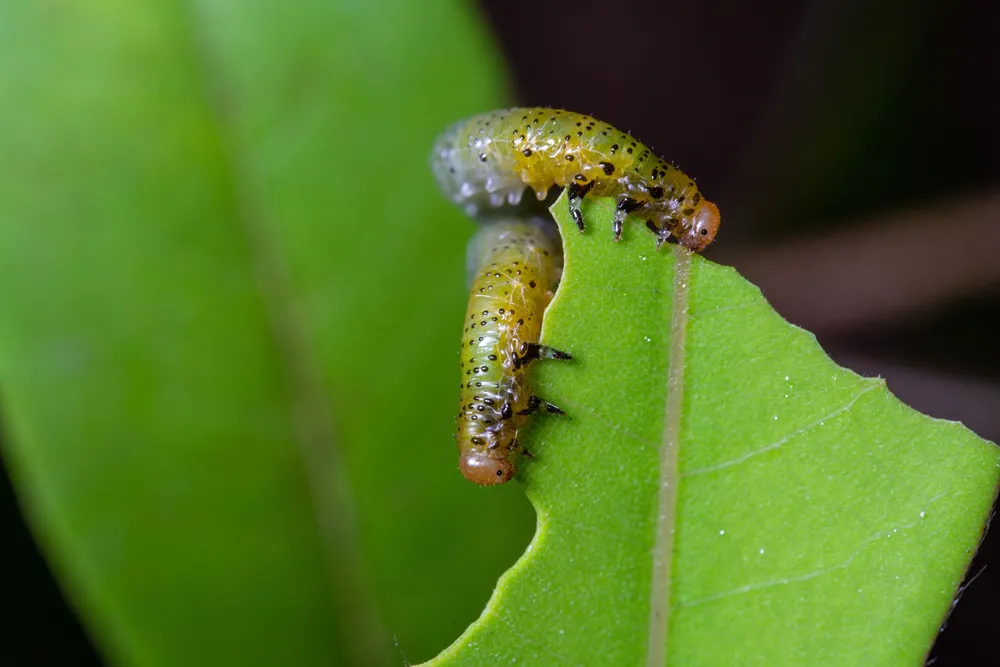
The Odorous Proteins of Insects: A New Key to Understanding Pesticide Resistance
Source: Agropages, published under the title "OBP11-mediated sequestration reduces chlorpyrifos bioavailab..." - 18 June 2026
Read more
Pest Surveillance: Monitoring Desert Locusts Yields Up to 680 Times More Benefits Than Costs
A recent study highlights the importance of monitoring desert locusts to prevent food crises. The findings show that reduced surveillance, often due to conflicts, leads to an increase in swarms, severely impacting child health and the economy. The benefits of monitoring far outweigh the costs, with a cost-benefit ratio estimated between 160:1 and 680:1.
Source: Agropages, published under the title "Valuing disaster prevention: Desert locust monitoring and co..." - 18 June 2026
Read more
Plant Nutrition: International Fertilizer Association Identifies Barriers to Innovation
The report "Fertilizer Innovation Unleashed" from the International Fertilizer Association's Innovation Hub highlights the growing innovation in the fertilizer and plant nutrition sector while urging leaders and investors to take action. By identifying five major barriers to innovation, the report offers recommendations to overcome these challenges and introduces a benchmark to assess companies' innovation performance.
Source: Agropages, published under the title "IFA Innovation Hub launches landmark report to accelerate fe..." - 17 June 2026
Read more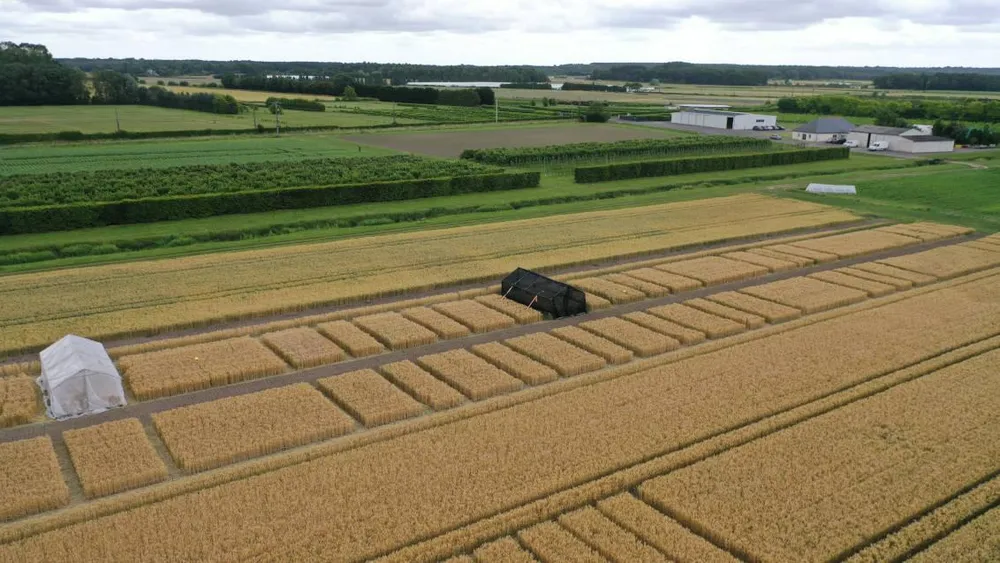
Address the Stress: An Experimental Platform to Validate Biostimulants Against Climate Variability
Syngenta's Address the Stress initiative analyzes the effects of abiotic stress on crops by creating controlled stress conditions. In 2026, thermal, water, and light stresses, as well as the impact of hail, are studied, revealing significant effects on yields and mycotoxin levels. The integration of biostimulants in these trials aims to demonstrate their effectiveness in managing these stresses, providing agronomic data for farmers.
Source: Syngenta, published under the title "Révéler l’impact des stress abiotiques avec Address the Stre..." - 16 June 2026
Read more
Bean: Combining Seed Pretreatment and Organic Fertilization Enhances Seed Quality
A study published in Nature by Turkish researchers examines how seed pretreatment and the use of organic fertilizers can improve the germination and emergence of common beans. The results indicate that methods such as hydropriming and vermipriming enhance the physiological quality of seeds, while other treatments, like cow urine, may hinder performance. Although promising, these results need validation under real cultivation conditions to assess their long-term effectiveness.
Source: Agropages, published under the title "Effects of seed priming and organic nutrient management on g..." - 16 June 2026
Read more
Tomato and Rice: A New Genetic Target Enhances Pollen Resilience to Cold Stress
In response to crop losses caused by cold, researchers have discovered cold-sensitive signaling peptides that enhance the resilience of tomato pollen. These advancements could transform how crops adapt to climate stresses, with significant implications for agricultural productivity. By activating specific signaling pathways, yield losses can be reduced by up to 52%, a finding that could also benefit other crops like rice.
Source: Agropages, published under the title "Cold-induced peptide signalling secures pollen resilience an..." - 15 June 2026
Read more
Plant Health: A €6 Million European Project to Coordinate Responses to Agricultural and Forest Pests
The PhytoPRISM project, led by the University of Warwick in England, aims to create an innovative platform to coordinate the fight against pests threatening agriculture and forests in Europe. With a budget of €6 million, it brings together 15 research institutions and stakeholders from 8 countries and introduces epidemiological modeling tools to help authorities make informed and effective decisions.
Source: Agropages, published under the title "Europe’s crops under threat: €6 Million project launches to ..." - 9 June 2026
Read more
Agricultural Drones: A Study Identifies Optimal Flight Speeds to Enhance Spraying Efficiency in Rice Fields
A recent study highlights the impact of the airflow generated by plant protection drones on pesticide application in rice fields. By employing innovative techniques such as aerial photography and machine vision, researchers analyzed the disturbances in the rice canopy caused by the rotors. The findings indicate that optimal flight speeds of 3 to 4 m/s allow for better droplet deposition efficiency, while higher speeds lead to losses in effectiveness.
Source: Agropages, published under the title "The effect of rotor airflow from plant protection UAV on pes..." - 8 June 2026
Read more
Agrochemistry: 11.4 Years and $307M to Develop an Innovation, Regulatory Pressure at the Core of Industry Challenges
Source: Agropages, published under the title "Innovation delayed is progress denied: New study reveals $30..." - 3 June 2026
Read more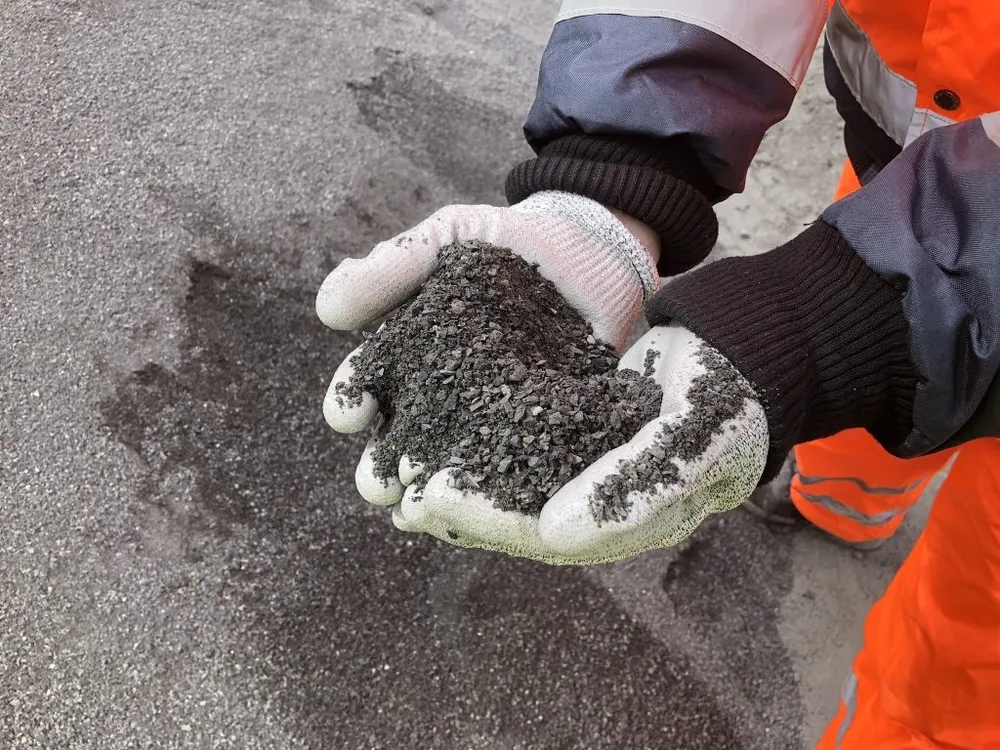
Agricultural Carbon: UNDO and Partners Unveil SAT-C, a New Carbon Sink Monitoring Tool
Developed by UNDO in collaboration with several scientific partners, the SAT-C method reliably extracts interstitial water from soils, even during drought periods. This innovation aims to enhance the monitoring of accelerated rock weathering, a carbon sequestration technique whose measurement remains a major challenge. Tested in Canada, it also relies on a new sampling tool designed with McLaren Racing, reducing field intervention time by 70%.
SEPEHR ACHARD, Source: Igronews, published under the title "UNDO Publishes SAT-C Research to Unlock Year-Round Enhanced ..." - 2 June 2026
Read more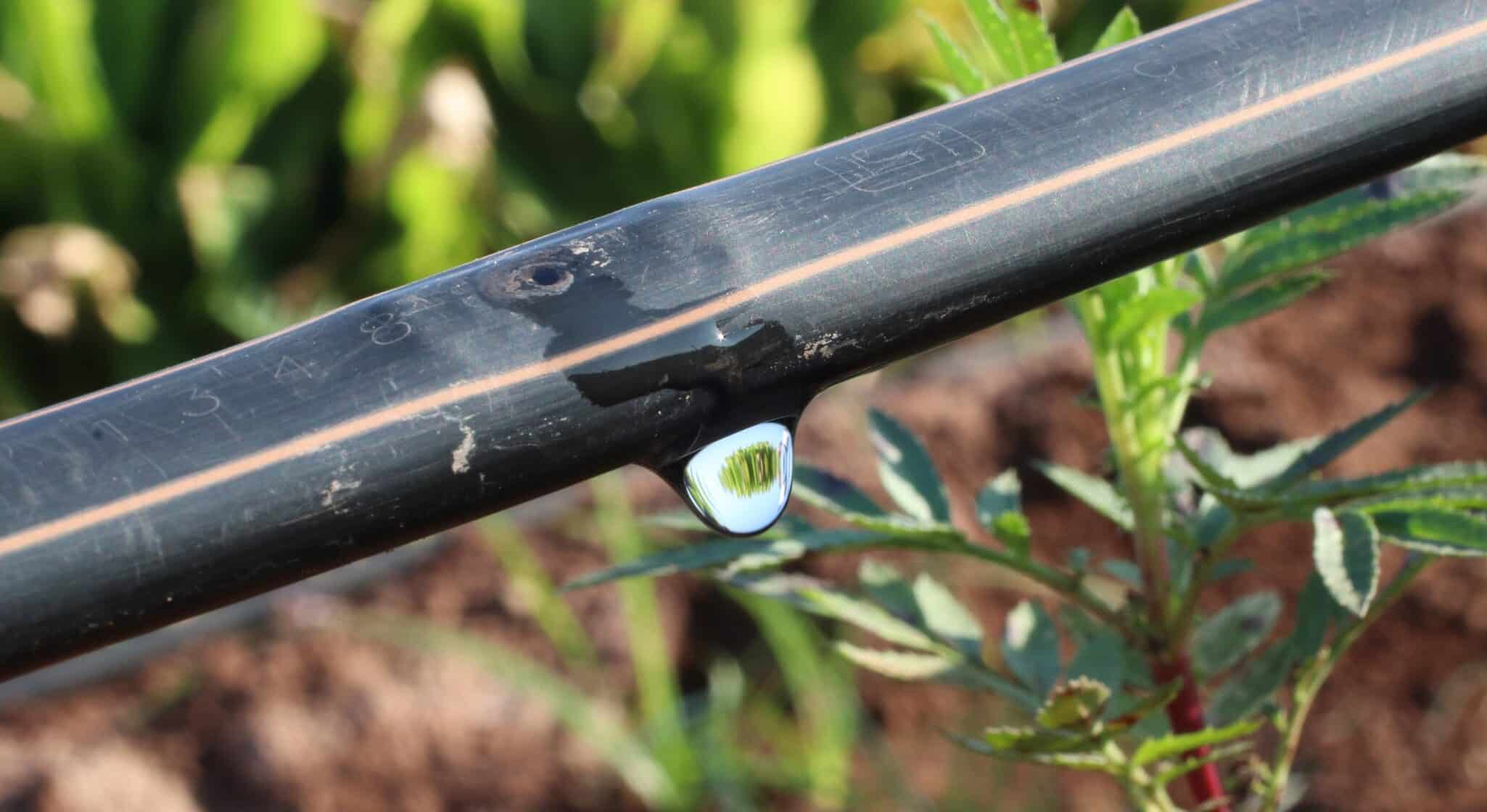
Untitled
A study by Orbia Netafim, conducted in Vietnam, demonstrates that drip irrigation in Robusta coffee cultivation not only reduces the carbon footprint by nearly 60%, but also increases yields by over 50% per hectare. Simultaneously, this method decreases water usage by 56% and chemical inputs by 46%, thereby enhancing the sustainability of agricultural practices in the face of current climatic and economic challenges. These findings are supported by the Coffee Protocol, the result of six decades of agronomic research.
SEPEHR ACHARD, Source: Igronews, published under the title "Orbia Netafim Study Finds Drip Irrigation Cuts Coffee Carbon..." - 13 May 2026
Read more
Brazilian Researchers Develop 'Smart' Nitrogen Fertilizer with Controlled Release Using Nanomaterials
Source: Agropages, published under the title "Brazilian scientists develop new coating for controlled fert..." - 13 May 2026
Read more
European Hackathon "Youth for Bioeconomy": 4 Student Projects on Circular Economy and Biosolutions
The Youth for Bioeconomy Hackathon, organized by AgroParisTech, brought together students and companies to develop innovative solutions to environmental challenges. Four projects were awarded, highlighting the importance of bioeconomy in agriculture, water, and biodiversity sectors, including TerraLoop for circular bioconversion and BioKube for water sanitation using biochar.
Source: Agroparistech, published under the title "24 heures pour innover au service du vivant" - 12 May 2026
Read more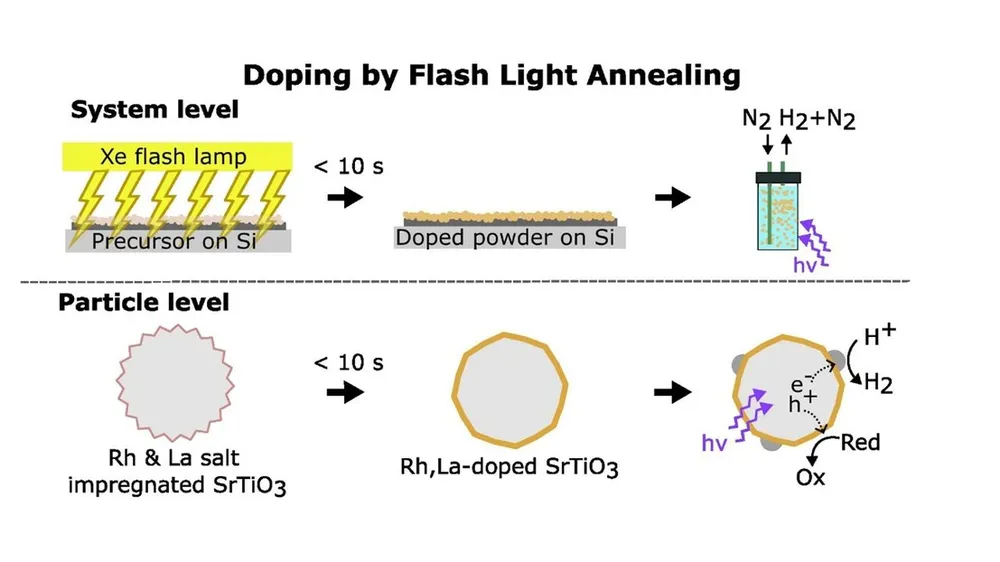
Researchers Cut Photocatalyst Production Time to 7.5 Seconds for Hydrogen Generation
Researchers from LIMNO, EPFL, and HES-SO Valais-Wallis have developed an innovative method for synthesizing Rh/La-doped SrTiO3 photocatalytic nanoparticles, using intense light pulses to generate heat. This technique enables the production of particles in just 7.5 seconds, delivering photocatalytic performance superior to traditional methods while preserving particle surface and optimizing dopant efficiency. This breakthrough could transform hydrogen production.
Source: Epfl, published under the title "Light-Based Method Produces Photocatalyst Nanoparticles in S..." - 12 May 2026
Read more
Biocontrol Fungi: Genetic Mapping Reveals Thousands of Potential Antifungal and Insecticidal Compounds
A recent study reveals that Hypocreales fungi, in symbiosis with plants, could provide a natural alternative to synthetic pesticides that help combat pests. Four biosynthetic pathways for fungal compounds with promising biocontrol properties have been proposed. Researchers identified over 5000 gene groups in the production of natural compounds, of which 80% are unknown.
Source: Agropages, published under the title "Scientists unlock fungi's secret chemistry, offering a green..." - 11 May 2026
Read more
A New Seed Coating Significantly Reduces Cotton Fusarium While Improving Yields
Cotton fusarium severely compromises yields and crop quality. A recent study developed an eco-friendly seed coating agent (DIF) based on Difenoconazole, replacing toxic formulations. Trials demonstrated a 98.67% effectiveness against fusarium, while enhancing seedling growth and cotton yield, without negatively impacting fiber quality.
Source: Agropages, published under the title "Development and application of a novel eco-friendly seed coa..." - 8 May 2026
Read more
Input Distribution in Brazil: The Great Illusion of Agricultural Distributor Consolidation
The agricultural input distribution sector in Brazil faces challenges similar to those in the food retail sector, with integration errors and a dominance of regional players who have deep knowledge of their customers. The lessons learned emphasize the importance of local knowledge, cultural integration, and revenue diversification to succeed in a changing market.
Source: Agropages, published under the title "The Script Was Already Written. Brazil's Ag Input Retail Nev..." - 8 May 2026
Read more