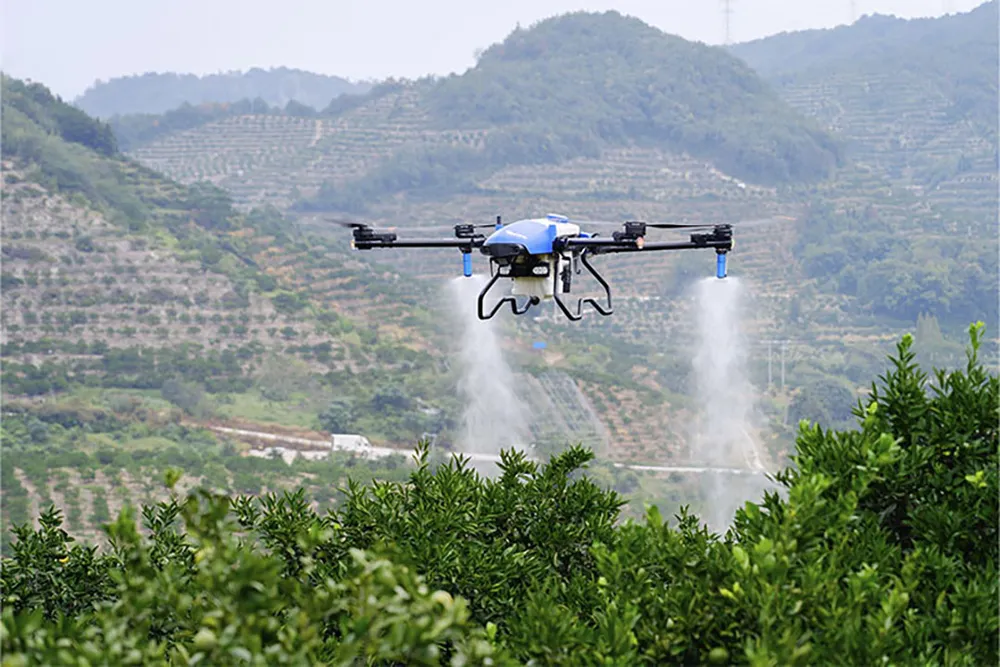
The rise of agricultural drones is rapidly transforming crop protection in Brazil. According to the Ministry of Agriculture (MAPA), the fleet has increased from approximately 3,000 units in 2021 to nearly 35,000 by 2025, representing an increase of more than eleven times in four years, driven by efficiency gains and the maturity of technologies.
Source: Agropages, published under the title "Drone adoption surges eleven-fold in Brazil, matching conven..." - 20 April 2026
Read more
The global organic market is entering a phase of expansion: already exceeding $15 billion, it could reach $25 billion by 2030, with an annual growth rate of nearly 10%. Latin America is the main growth driver, despite persistent structural challenges related to adoption and market fragmentation. During a workshop on organic inputs, Ignacio Moyano from DunhamTrimmer emphasized that Brazil, representing 7% of the global market, plays a central role due to its large-scale agriculture and favorable regulatory framework. However, the lack of technical training among farmers remains a major barrier to the adoption of these innovative solutions.
Source: Agropages, published under the title "LATAM drives global biologicals growth amid structural bottl..." - 27 March 2026
Read more
The Brazilian Ministry of Agriculture has approved the use of pesticides for carinata, a promising crop for sustainable biofuel production. These approvals, which include an insecticide and a herbicide, are crucial for transitioning to commercial production of this plant, which fits into soybean cropping systems. Nufarm, a leader in hybrid carinata seed marketing, anticipates rapid expansion of this crop in Latin America, supported by long-term agreements with biofuel market players.
Source: Agropages, published under the title "Brazil approves first crop protection products for carinata" - 26 March 2026
Read more
Peru has taken a significant step in modernizing its biotechnology regulations by approving new guidelines that establish how organisms modified by genome editing will be assessed under national biosafety rules. Peru is aligning with an international trend towards differentiated regulation of modified organisms, joining countries like Argentina and Chile, while maintaining rigorous standards for environmental and food safety, potentially boosting innovation in the agricultural sector.
Source: Agropages, published under the title "Peru advances regulatory framework for gene-edited crops" - 26 March 2026
Read more
A technical cooperation agreement between Embrapa and the Ecuadorian Ministry of Agriculture has been signed to research banana varieties resistant to Fusarium wilt Foc R4T, a major threat to global banana production. This strategic partnership aims to develop genotypes suited to tropical conditions, thereby enhancing production sustainability and food security. The collaboration could also extend to other crops, such as cocoa, and to social technologies to support farmers.
Source: Agropages, published under the title "Brazil and Ecuador to research banana varieties that are res..." - 16 March 2026
Read more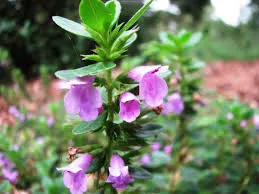
Researchers from the Brazilian University of Vale do Taquari have identified Hesperozygis ringens oil as a promising natural herbicide against invasive species. This discovery could reduce the use of synthetic chemicals in agriculture while preserving native plants. The project highlights the importance of biodiversity conservation and bioeconomy by developing cultivation protocols for sustainable and marketable production.
Source: Agropages, published under the title "Univates researchers identify plant with herbicidal potentia..." - 13 March 2026
Read more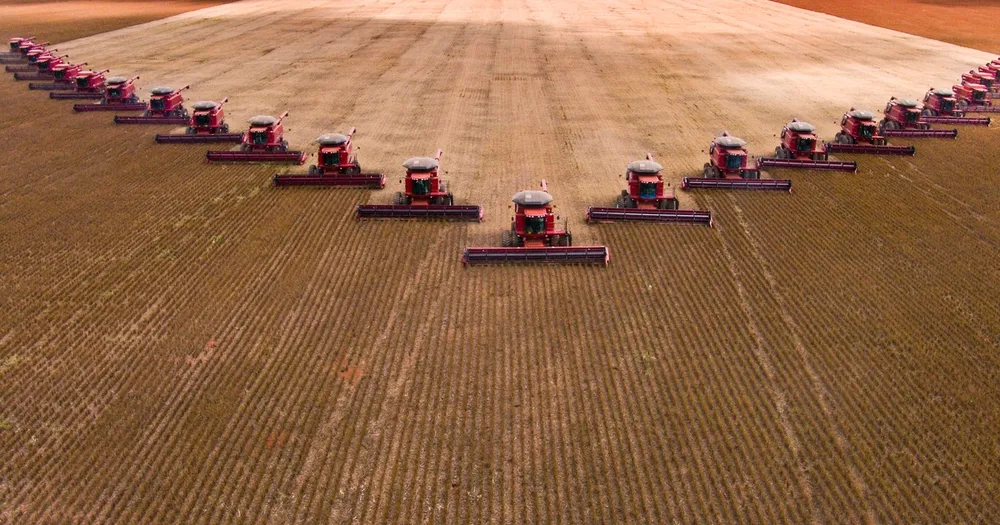
Brazil has adopted Decree 12.858/2026 to more strictly regulate the production and marketing of fertilizers. The legislation increases penalties for violations related to agricultural inputs and imposes self-monitoring programs on industry players, allowing a two-year period for compliance. The goal is to establish a more proactive management of quality and traceability in the input supply chain.
Source: Agropages, published under the title "New Brazilian decree regulates inspection, production and sa..." - 9 March 2026
Read more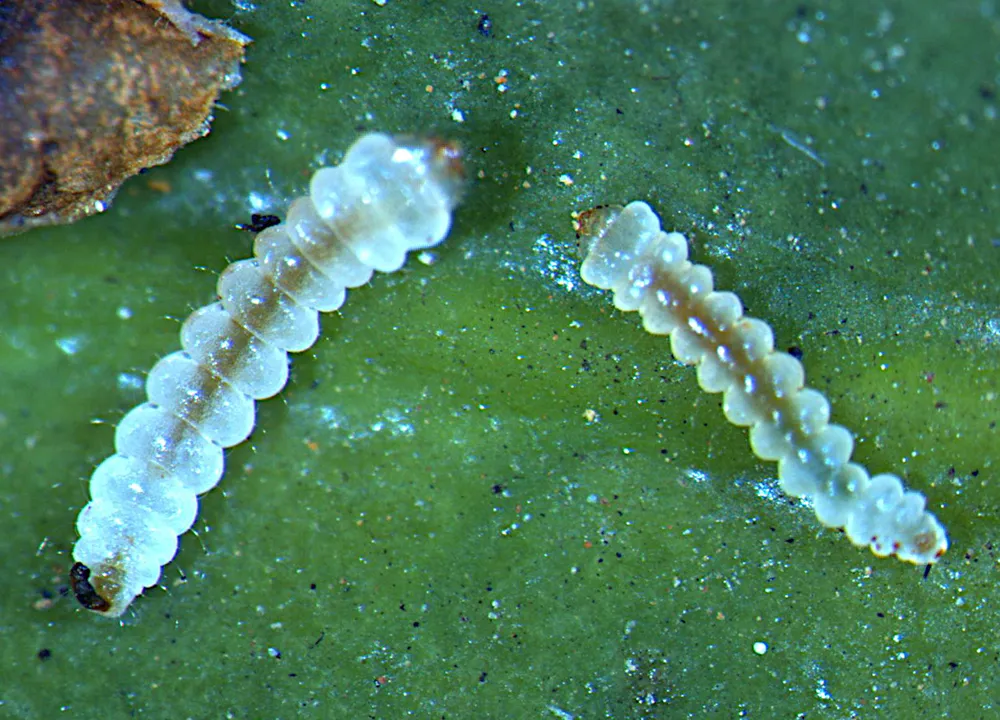
The coffee borer (Leucoptera coffeella), a major pest in Brazilian plantations, is showing increasing signs of resistance to neurotoxic insecticides. According to a study, between 34.3% and 62.9% of populations are at risk of control failure depending on the molecules used, with particularly high resistance levels noted for abamectin and chlorpyrifos. These findings highlight the need to enhance monitoring and integrate alternative strategies in coffee pest management.
Source: Agropages, published under the title "Control failure risk, resistance and enzymatic activity of n..." - 6 March 2026
Read more
The consolidation of the agricultural input market in Brazil is pushing cooperatives to acquire private distribution networks in both a defensive and economic logic. While this strategy aims to strengthen their competitiveness in a rapidly changing sector, it also carries integration risks and could undermine value creation if its execution proves complex.
Source: Agropages, published under the title "Brazilian cooperatives' retail acquisitions create strategic..." - 10 February 2026
Read more
American agricultural biotech Cibus, known for its non-transgenic genome editing technologies, partners with Interoc, a Latin American agro-industrial group active in the seed and crop protection markets. Together, they aim to launch herbicide-tolerant rice varieties, with initial rollouts planned in Ecuador and Colombia by 2027.
MADISON HONG, Source: Igronews, published under the title "Cibus And Interoc Sign LOI To Advance Herbicide-Tolerant Ric..." - 8 February 2026
Read more