At BioSummit 2026, Wagner Bettiol from Embrapa announced that biological protection technologies could represent half of the Brazilian market by 2050. The rapid adoption of these solutions, driven by the growing demand for residue-free food and regulatory challenges, could transform the agricultural landscape. In 2025, the use of biological products increased by 12%, while the chemical pesticide market continues to grow slowly.
Source: Agropages, published under the title "Biological crop protection could reach 50% of Brazilian mark..." - 12 May 2026
Read more
Source: Agropages, published under the title "Brazilian BNDES announces BRL 40 million for promotion of bi..." - 11 May 2026
Read more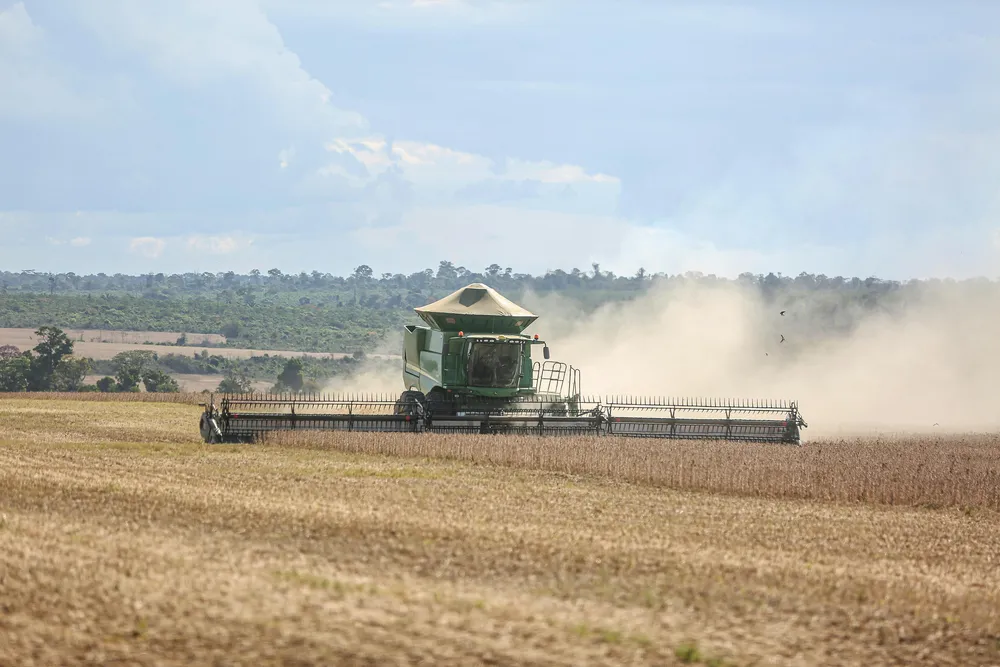
Researchers from Embrapa Agrobiology are exploring the use of struvite, a slow-release fertilizer derived from pig farming, as a solution to reduce Brazil's dependence on imported phosphate fertilizers. Preliminary results indicate that this fertilizer can meet 50% of the phosphorus needs for soybean crops while maintaining competitive yields and promoting a circular economy.
Source: Agropages, published under the title "Embrapa: Struvite is domestic alternative to phosphate ferti..." - 11 May 2026
Read more
The acquisition of consulting firm MB Agro, active since the 1970s, by EY Brazil marks a strategic step to enhance its agribusiness consulting and evaluation capabilities. By integrating a team of experts and sector intelligence products, EY Brazil aims to provide in-depth analyses and precise diagnostics to support critical decisions in a rapidly evolving agricultural sector.
SEPEHR ACHARD, Source: Igronews, published under the title "EY Brazil Acquires MB Agro to Strengthen Agribusiness Consul..." - 8 May 2026
Read more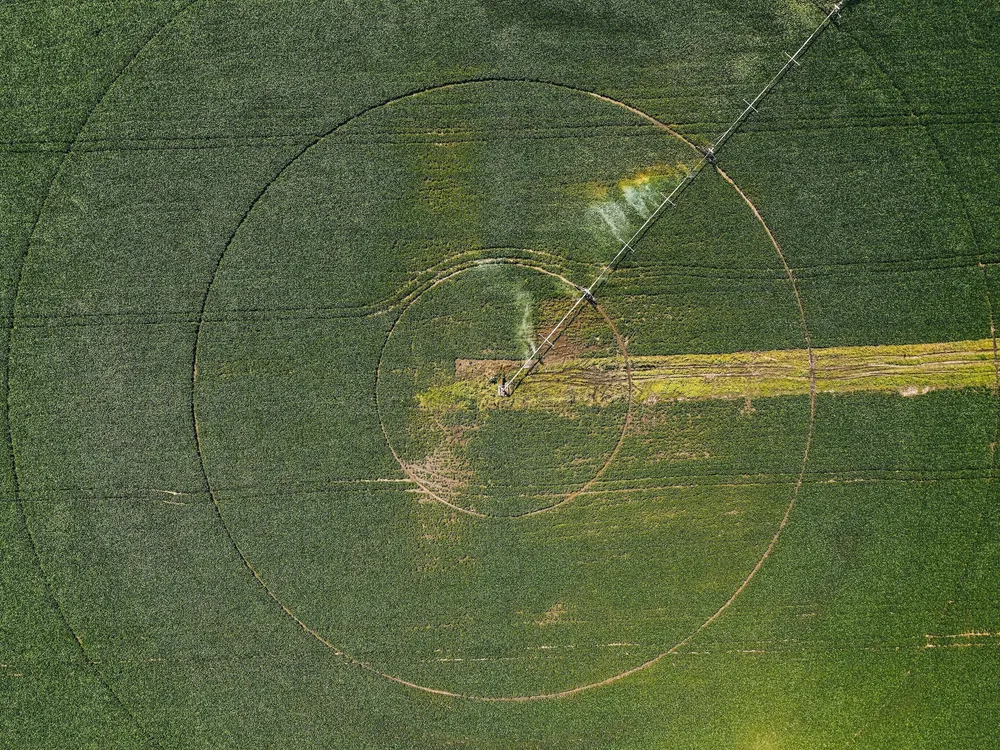
At Agrishow 2026, GeoIA unveiled a precision agriculture platform that leverages artificial intelligence to cut pesticide usage by up to 82.29%. Developed by the Federal University of Mato Grosso do Sul, this technology combines high-resolution aerial imagery with deep learning models to map crops. It enables targeted pesticide application, replacing uniform spraying with a precision spraying system.
Source: Agropages, published under the title "GeoIA unveils AI platform cutting pesticide use by over 80% ..." - 8 May 2026
Read more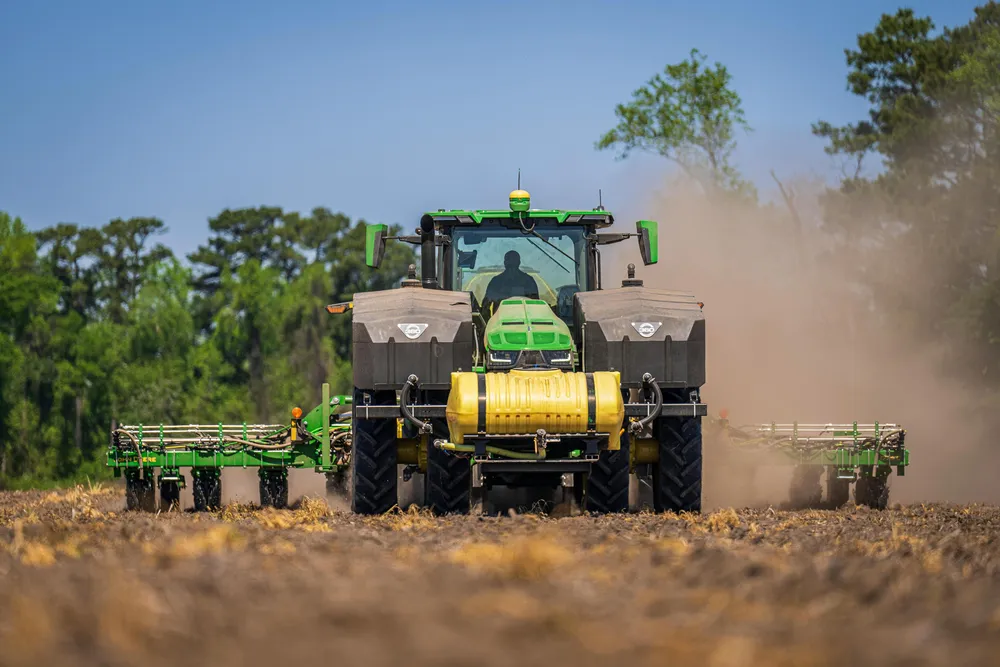
Brazilian company Biojet has signed a strategic agreement with AGCO (an American group specializing in agricultural machinery), granting it exclusivity for the supply of in-furrow spraying systems for biological inputs. This partnership, announced at Agrishow 2026, aims to meet the growing demand for sustainable nutrition solutions while expanding Biojet's operational scale through the approval of its BJ 1000L sprayer on the Momentum platform and opening distribution channels for other innovative technologies.
Source: Agropages, published under the title "Agrishow 2026 - Biojet signs agreement with AGCO to scale in..." - 8 May 2026
Read more
The agricultural input distribution sector in Brazil faces challenges similar to those in the food retail sector, with integration errors and a dominance of regional players who have deep knowledge of their customers. The lessons learned emphasize the importance of local knowledge, cultural integration, and revenue diversification to succeed in a changing market.
Source: Agropages, published under the title "The Script Was Already Written. Brazil's Ag Input Retail Nev..." - 8 May 2026
Read more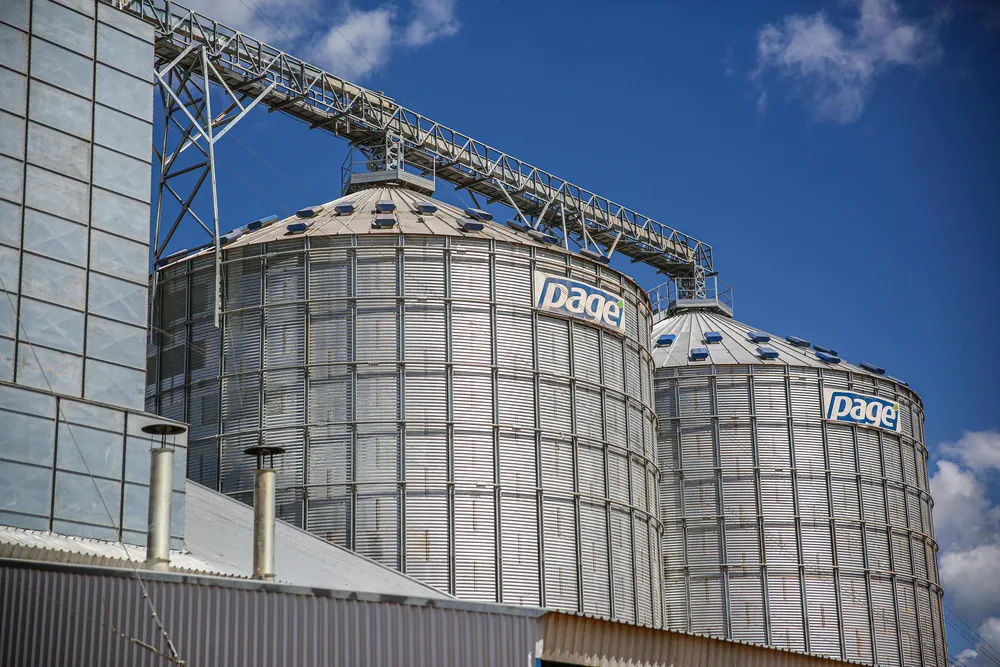
FMC Corporation has secured a preliminary injunction to seize grains valued at 112 million reais from Belagrícola, a Brazilian agricultural inputs distributor. This development further complicates Belagrícola's situation as it seeks to restructure 1.8 billion reais in debt. The dispute, centered on a barter agreement (Belagrícola was to deliver 1.4 million bags of soybeans in exchange for crop protection products) and the classification of rural product certificates, raises questions about the viability of barter-based financing in the Brazilian agricultural sector.
Source: Agropages, published under the title "FMC secures court order to seize BRL 112 million in grain fr..." - 7 May 2026
Read more
Corn crops in Brazil are facing heightened pressure from fall armyworms, challenging the effectiveness of advanced biotech traits and prompting producers to adopt integrated pest management (IPM) strategies. The use of biological products, such as baculoviruses, has shown promising results but requires precise application to be effective.
Source: Agropages, published under the title "Caterpillar pressure intensifies in Brazil’s corn belt, chal..." - 6 May 2026
Read more
Source: Agropages, published under the title "The Iran war: Farmers in Brazil and Argentina face rising fe..." - 6 May 2026
Read more