
GreenLight Biosciences strategically launches Oifirax, an innovative RNA-based fungicide, in Brazil. This development marks a turning point in the crop protection industry, emphasizing targeted, residue-free biological solutions that can compete with the efficacy of traditional chemicals. With favorable regulatory support and significant investment, GreenLight aims to transform the Brazilian viticulture landscape while expanding its commercial footprint in the region.
Source: Agropages, published under the title "GreenLight Biosciences registers Oifirax, the first RNA-base..." - 22 June 2026
Read more
Corteva Agriscience has introduced Reklemel™, an innovative nematicide designed to help Brazilian farmers manage phytopathogenic nematodes, which cause 35 billion reais in economic losses annually, while preserving beneficial soil organisms. Unveiled at the Bahia Farm Show 2026, this product stands out for its selective mode of action and localized application.
Source: Agropages, published under the title "Corteva introduces novel nematicide molecule Reklemel in Bra..." - 16 June 2026
Read more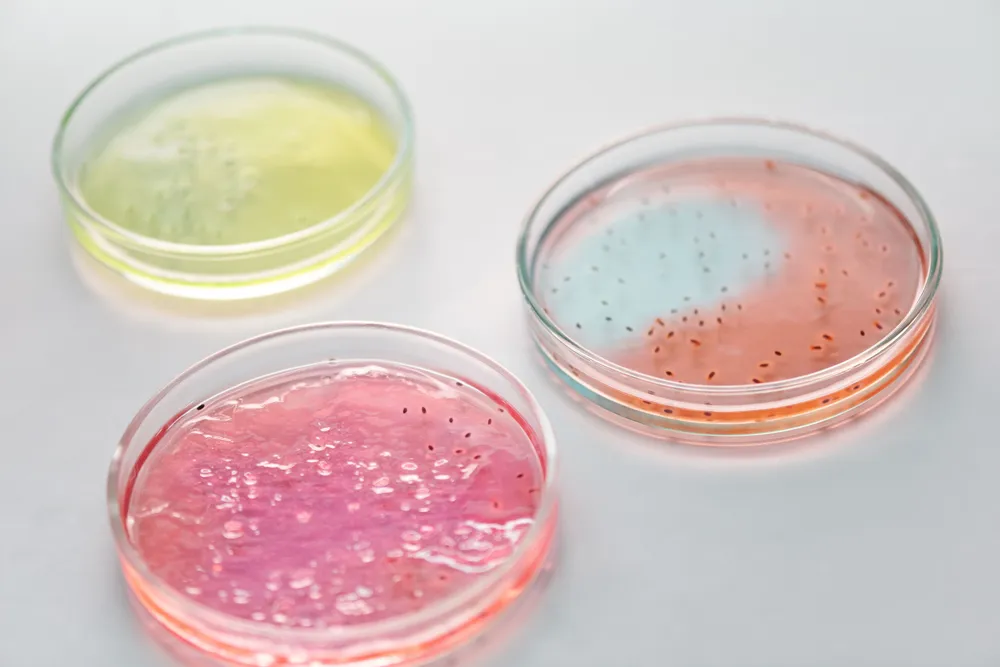
At the Bahia Farm Show 2026, Brazilian company Inquima launched EasyTank, an adjuvant designed to optimize the compatibility of pesticide and fertilizer mixtures. This product aims to address common incompatibility issues, such as phase separation and foam formation, while preserving the integrity of active ingredients. Additionally, it showcased advancements in its biological solutions, including third-generation technologies that leverage microbial metabolites, offering improved stability and application flexibility.
Source: Agropages, published under the title "Inquima showcases EasyTank adjuvant at Bahia Farm Show 2026" - 16 June 2026
Read more
Source: Agropages, published under the title "Why do some niche bioinnovations struggle to go mainstream?" - 2 June 2026
Read more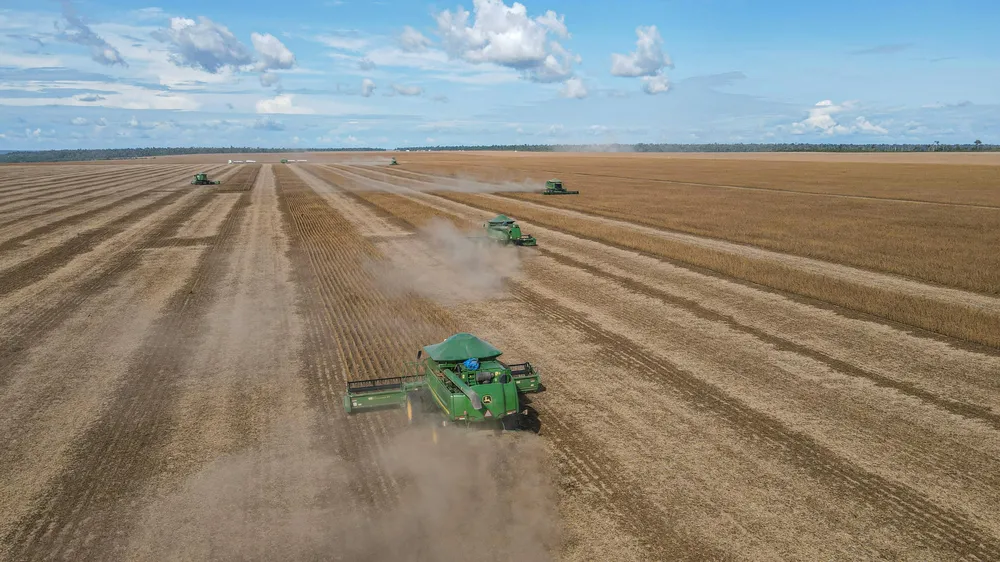
Brazil has approved a $1.8 billion incentive plan to bolster its domestic fertilizer production, aiming to reduce its heavy reliance on imports, which account for 85 to 90% of total demand. The plan includes federal tax credits of 20% for companies investing in fertilizer production and mandates the application of environmental criteria.
Source: Agropages, published under the title "Brazil approves USD 1.8 billion fertilizer plan to reduce de..." - 1 June 2026
Read more
By 2026, agricultural input distribution in Brazil will face a challenging reality where growth through volume is no longer sufficient. Distributors must overcome challenges such as the complexity of product portfolios, increasing demands from growers, rising demand for organic products, and a shortage of skilled labor. To thrive, they must adopt rigorous management practices and train their teams in quality customer service.
Source: Agropages, published under the title "Beyond the product label: The execution and leadership bottl..." - 21 May 2026
Read more
At BioSummit 2026, SLC Agrícola, Bom Futuro, and Scheffer announced the application of biological inputs on 100% of their cultivated areas. These solutions play a significant role in pest management, particularly in soy and corn, though challenges remain for their adoption in cotton. Technological advancements and the push for sustainable farming practices are driving this trend.
Source: Agropages, published under the title "Brazil’s largest grain producers adopt bioinputs across 100%..." - 13 May 2026
Read more
Brazil's cultivar protection law, deemed outdated by the Ministry of Agriculture and Livestock (MAPA), needs revision to address the rising issue of soybean seed theft. At the ENSSOJA 2026 conference, experts highlighted the economic impact of illegal seed use and the necessity for better intellectual property protection to support agricultural innovation. Currently, 28% of soybean lands in Brazil use uncertified seeds, threatening the agricultural innovation ecosystem.
Source: Agropages, published under the title "Seed protection law no longer meets Brazil’s agricultural ne..." - 13 May 2026
Read more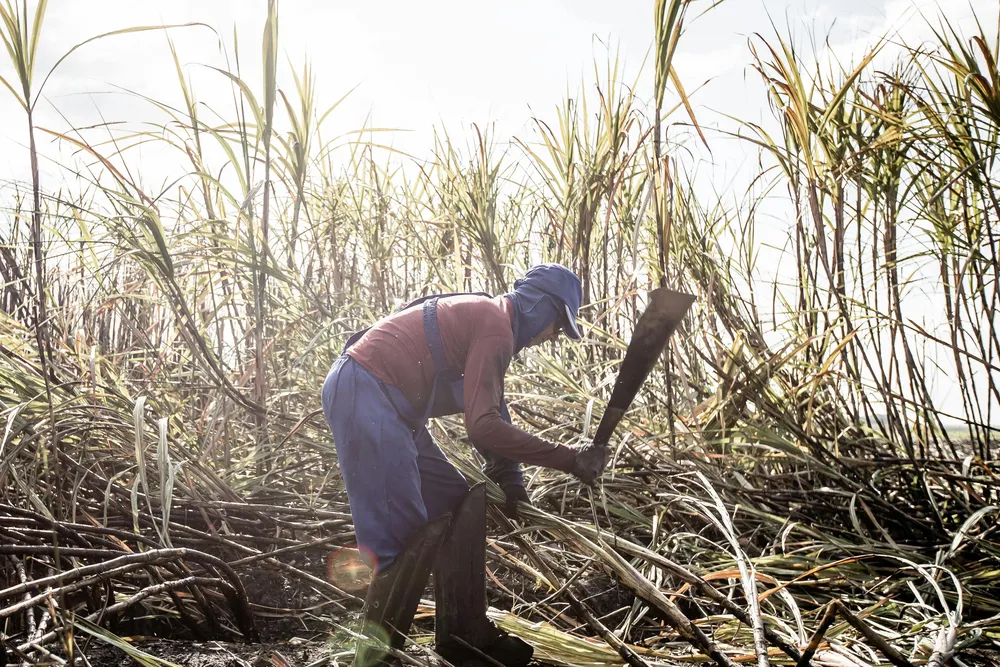
The CTNBio (National Technical Commission on Biosafety of Brazil) has approved a transgenic sugarcane developed by CTC (a Brazilian research company specializing in sugarcane), which incorporates resistance to borers and herbicides like glyphosate. This technological advancement, set for commercialization across 14 varieties by 2026/27, aims to enhance productivity and sustainability in the Brazilian sugar sector while reducing economic losses from infestations and weed management costs, estimated at 14 billion BRL annually.
Source: Agropages, published under the title "CTNBio approves CTC’s transgenic sugarcane resistant to bore..." - 13 May 2026
Read more
Source: Agropages, published under the title "Brazilian scientists develop new coating for controlled fert..." - 13 May 2026
Read more