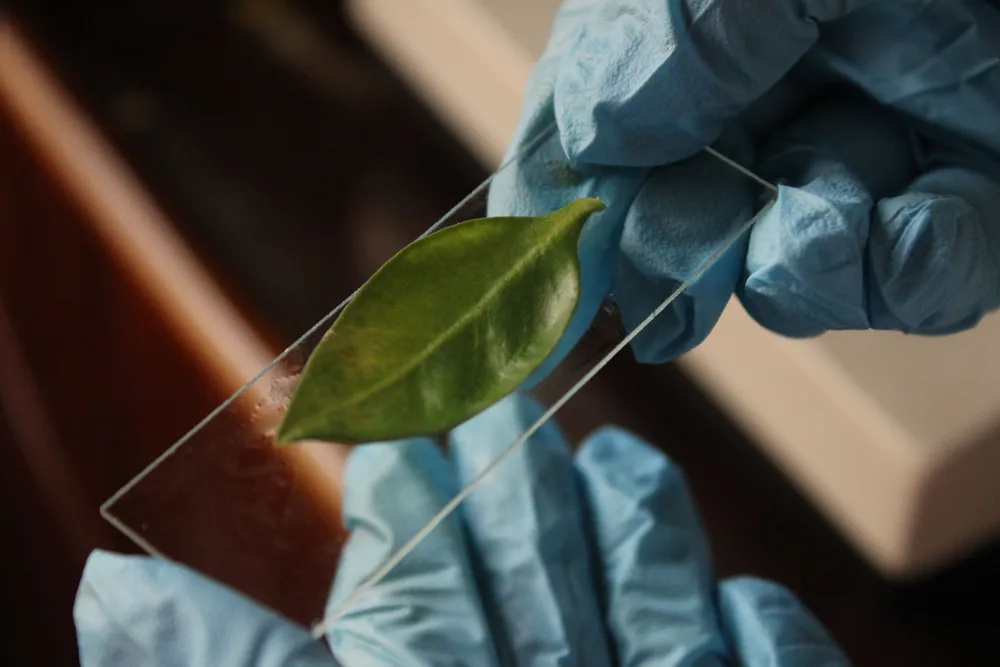
The recent adoption of the regulation on new genomic techniques (NGT) by the European Parliament marks the end of nearly a decade of legal uncertainty. Euroseeds and ASTA welcome this advancement, highlighting its potential to enhance the competitiveness and productivity of European agriculture and paving the way for increased collaboration between the EU and the United States.
Source: Agropages, published under the title "Ag groups react to EU NGT Regulation" - 18 June 2026
Read more
The EU Council has adopted a mandate for amendments to health legislation aimed at modernizing rules regarding genetically modified microorganisms and organ treatment. This initiative is part of the European biotechnology directive, which seeks to enhance Europe's biotechnological potential by facilitating innovation while ensuring safety and transparency standards.
Source: Agropages, published under the title "Council of the EU agrees mandate on measures to advance biot..." - 17 June 2026
Read more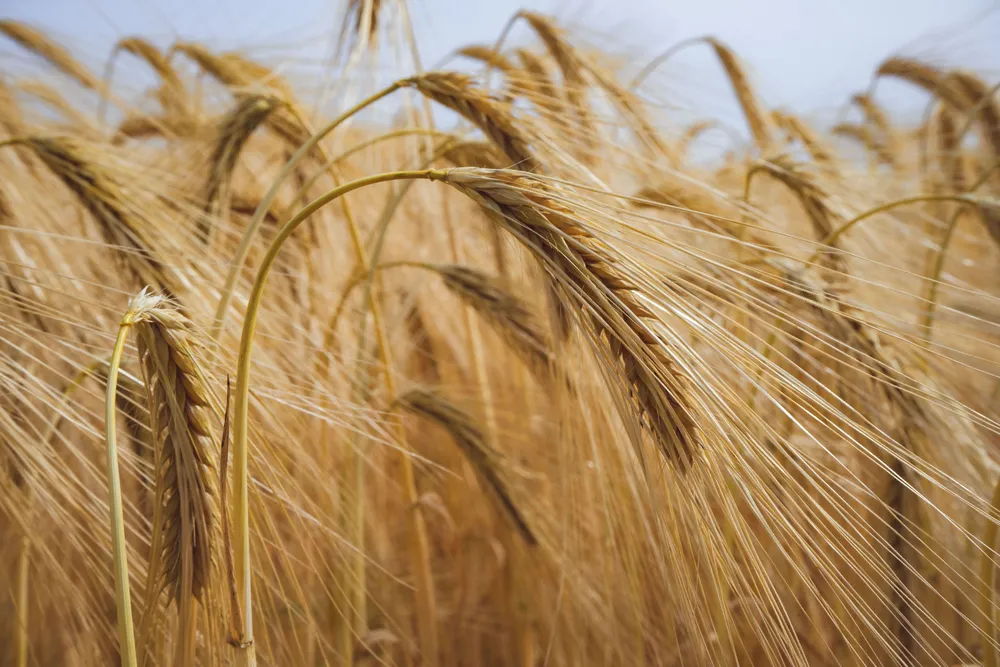
The European Council and Parliament have reached a provisional agreement on a major reform of the rules governing the production and marketing of plant reproductive material (PRM). This initiative aims to modernize an outdated legislative framework, enhance biodiversity, and ensure the quality of PRM, while facilitating innovation and reducing bureaucracy for operators.
Source: Agropages, published under the title "The Council and the European Parliament reach provisional de..." - 17 June 2026
Read more
Negotiations for a compromise on new pesticide rules in the EU, proposed by Cyprus, have stalled. This text aimed to facilitate the use of organic pesticides while granting unlimited approvals for certain synthetic substances. Disagreements among member states, particularly regarding the restriction of imports of products containing banned pesticide residues, hindered the agreement.
Source: Agropages, published under the title "EU countries fail to agree on new pesticide rules" - 15 June 2026
Read more
The Supreme Court of China has issued a directive aimed at regulating technical investigations in disputes concerning new plant varieties. This document seeks to enhance the protection of intellectual property rights in the seed industry, improve the management of counterfeiting cases, and ensure a legal environment conducive to innovation. It proposes a systematic framework clarifying the roles of judges and experts.
Source: Agropages, published under the title "China - Guideline issued to enhance legal protection for new..." - 10 June 2026
Read more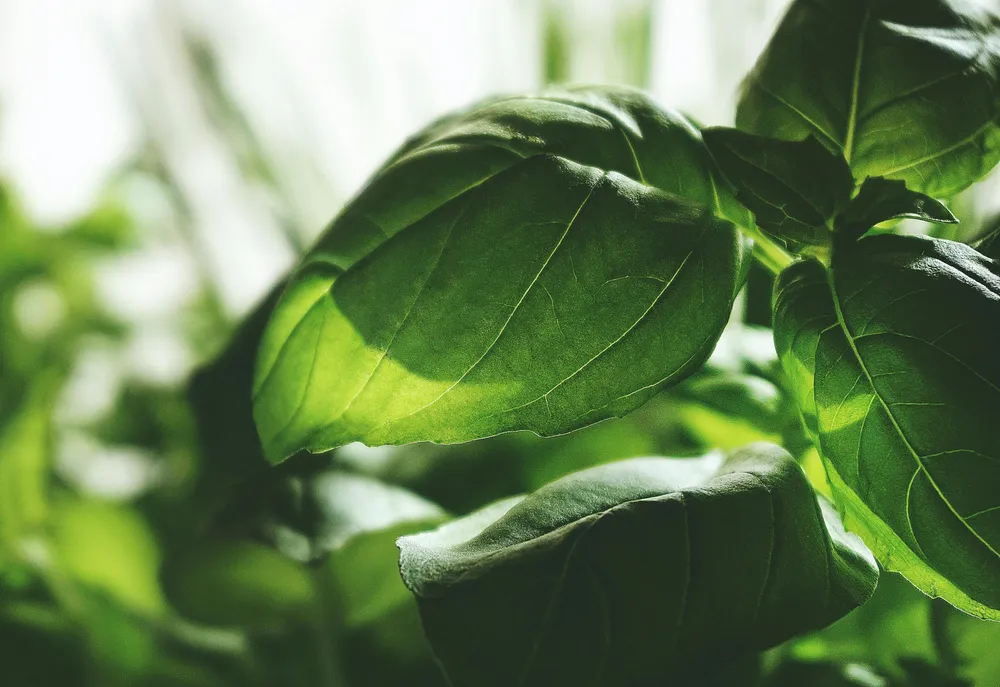
Amoéba, a French company specializing in natural microbiological solutions, has received a 120-day emergency authorization for its biofungicide AXPERA in Italy, aimed at combating basil downy mildew that can destroy up to 80% of crops. This measure addresses the growing pressure on basil producers, a key market in Europe, where conventional solutions are increasingly limited and inadequate.
Source: Agropages, published under the title "Amoéba obtains in Italy a 120 day emergency authorization fo..." - 9 June 2026
Read more
Regulation (EU) 2026/1123, adopted by the European Commission, introduces modernized labeling requirements for plant protection products, emphasizing transparency and sustainability. Starting in 2028, digital labeling will be mandatory, facilitating access to up-to-date information. This regulation also strengthens alignment with CLP (classification, labeling, and packaging) regulations, introduces new environmental and safety requirements, and notably supports precision agriculture practices.
Source: Agropages, published under the title "European Commission adopts new regulation on plant protectio..." - 5 June 2026
Read more
Source: Agropages, published under the title "Innovation delayed is progress denied: New study reveals $30..." - 3 June 2026
Read more
Source: Agropages, published under the title "Why do some niche bioinnovations struggle to go mainstream?" - 2 June 2026
Read more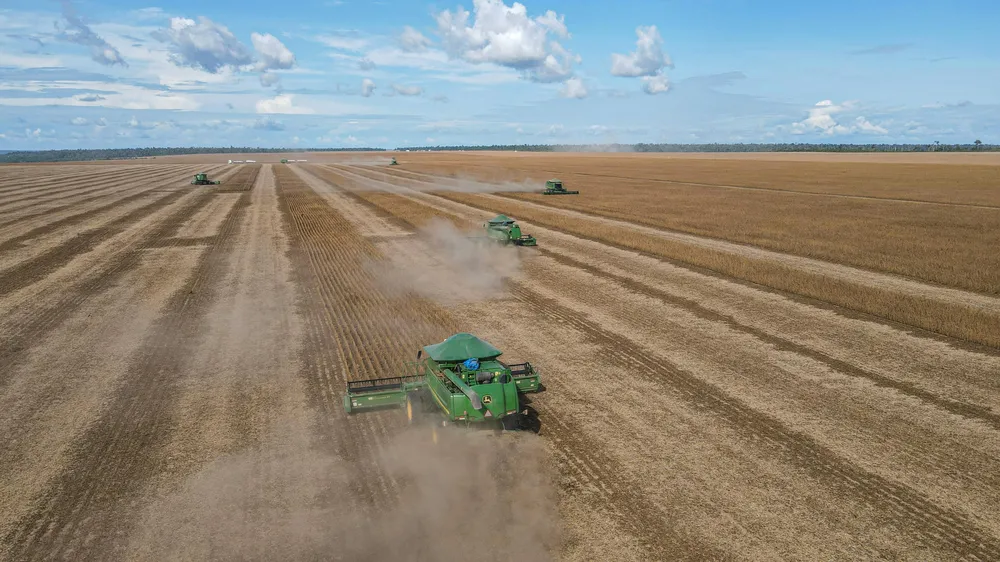
Brazil has approved a $1.8 billion incentive plan to bolster its domestic fertilizer production, aiming to reduce its heavy reliance on imports, which account for 85 to 90% of total demand. The plan includes federal tax credits of 20% for companies investing in fertilizer production and mandates the application of environmental criteria.
Source: Agropages, published under the title "Brazil approves USD 1.8 billion fertilizer plan to reduce de..." - 1 June 2026
Read more