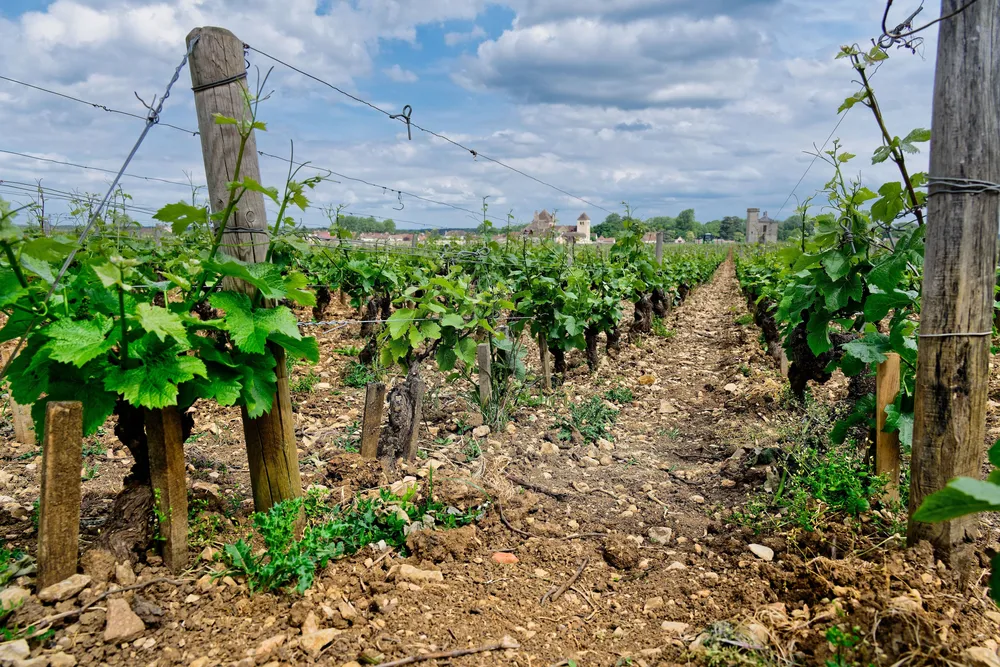
Source: Agropages, published under the title "Amoéba has received marketing authorization in France for it..." - 1 July 2026
Read more
Brazil strengthens its position in the global pesticide market with a record 912 approvals in 2025, but the increasing complexity of regulatory requirements is causing many companies to abandon their products. Firms are turning to the courts to expedite approvals, with a 400% rise in toxicological assessments approved by judicial decision.
Source: Agropages, published under the title "Brazil sets pesticide approval record as registration cancel..." - 30 June 2026
Read more
The European regulation on new genomic techniques (NGTs) has been published. It sets the criteria for determining whether a plant produced from NGTs is considered a GMO. This regulatory evolution, which will take effect in 2028, could transform the landscape of innovation in agritech by influencing production practices and strategies of companies in the agri-food sector.
Source: Actu Environnement, published under the title "Nouveaux OGM : de nouvelles règles s'appliqueront en 2028" - 30 June 2026
Read more
In an increasingly complex agricultural context, Walid Saadé, president of the biostimulants section of France fertilisants, emphasizes the need for a diversified and educational approach to promote biostimulants. He highlights regulatory challenges and the necessity for better understanding of products derived from living organisms to ensure their adoption by farmers, while stressing the importance of a collective dynamic to address climate issues.
Source: Agro Matin, published under the title "« Plus les conditions deviennent difficiles, plus nous avons..." - 30 June 2026
Read more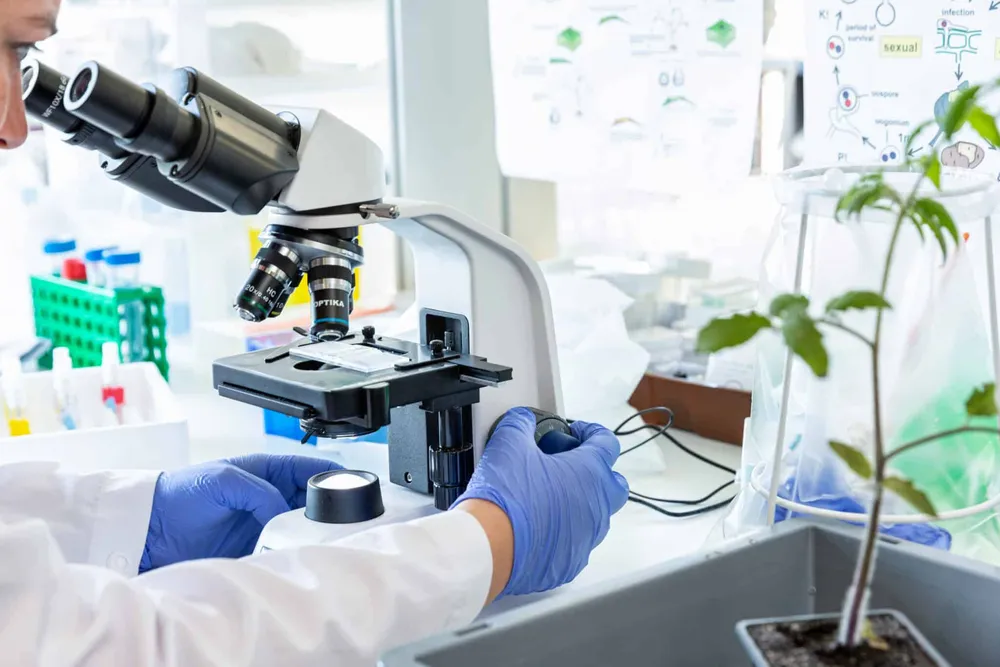
Micropep Technologies a franchi une étape clé en soumettant des dossiers réglementaires pour son biofongicide Promisin™ au Brésil et au Paraguay. Ce produit, basé sur une technologie de peptide antimicrobien, cible des maladies fongiques majeures du soja et a été soutenu par plus de 200 essais de terrain. Conçu pour répondre aux besoins économiques des cultures en rang, Promisin pourrait transformer le marché des biocontrôles en offrant une alternative efficace et durable face aux défis de résistance et de réglementation.
SEPEHR ACHARD, Source: Igronews, published under the title "Micropep Technologies Files for Regulatory Approval of Promi..." - 24 June 2026
Read more
Source: Agropages, published under the title "India Introduces Insecticides (Amendment) Rules, 2026: Manda..." - 22 June 2026
Read more
Source: Usine Nouvelle, published under the title "«La difficulté est de trouver le bon paramétrage» : cette st..." - 21 June 2026
Read more
L'adoption par l'Union européenne des nouvelles techniques génomiques (NTG) soulève des questions cruciales sur la propriété des semences et la concentration du marché. Alors que ces technologies promettent d'améliorer la résistance des plantes face aux défis climatiques, le débat sur les brevets et la protection des caractères génétiques préexistants s'intensifie. Les semenciers indépendants craignent une privatisation du vivant, tandis que la coexistence entre agriculture biologique et NTG pose des défis techniques et juridiques. Qui contrôlera réellement les semences de demain ?
Publié par Pleinchamp, Source: Pleinchamp, published under the title "Les nouvelles techniques génomiques : qui possédera les seme..." - 19 June 2026
Read more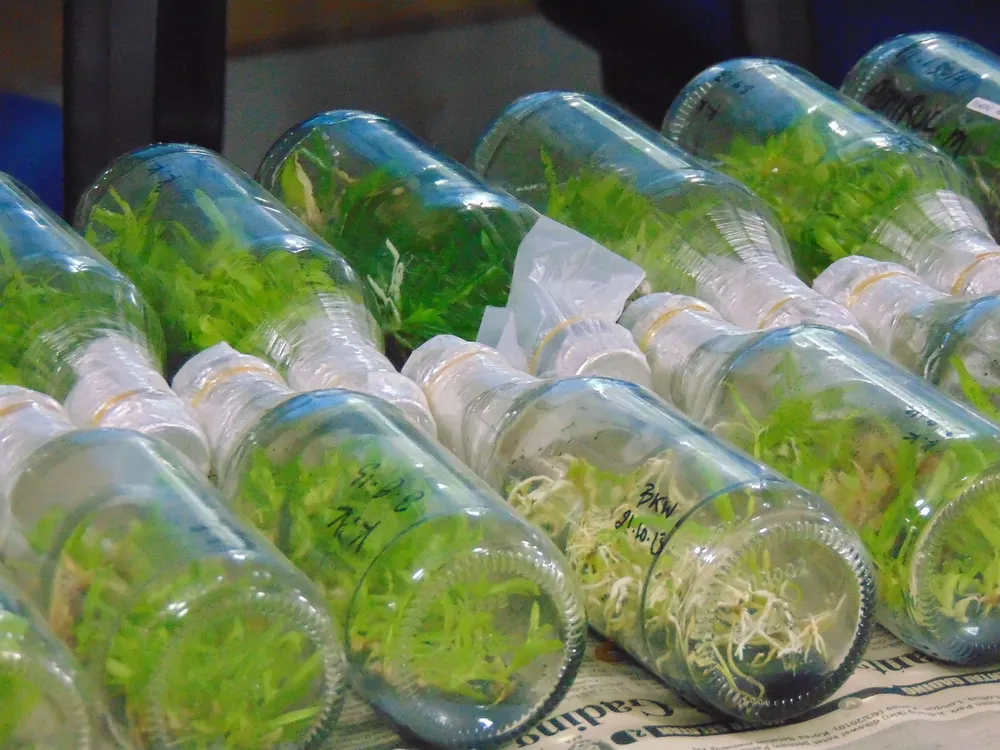
The European Union's approval of the regulation on New Genomic Techniques (NGT) marks a turning point for innovation in plant breeding. Companies like KWS and Cibus express their satisfaction, emphasizing that this framework will enable the development of more resilient and sustainable crops while facilitating the adoption of modern methods by farmers.
Source: Agropages, published under the title "Ag companies react to EU NGT Regulation" - 19 June 2026
Read more
On June 17, the European Parliament approved the revision of the 2001 GMO directive, allowing the use of new genomic techniques (NGTs) in agriculture. This decision, welcomed by rapporteur Jessica Polfjärd, aims to enhance the resilience and competitiveness of farms. Unlike traditional GMOs, NGTs rely on targeted mutagenesis, introducing traits already present in the species.
Source: Usine Nouvelle, published under the title "Le Parlement européen adopte et révise la directive OGM pour..." - 18 June 2026
Read more