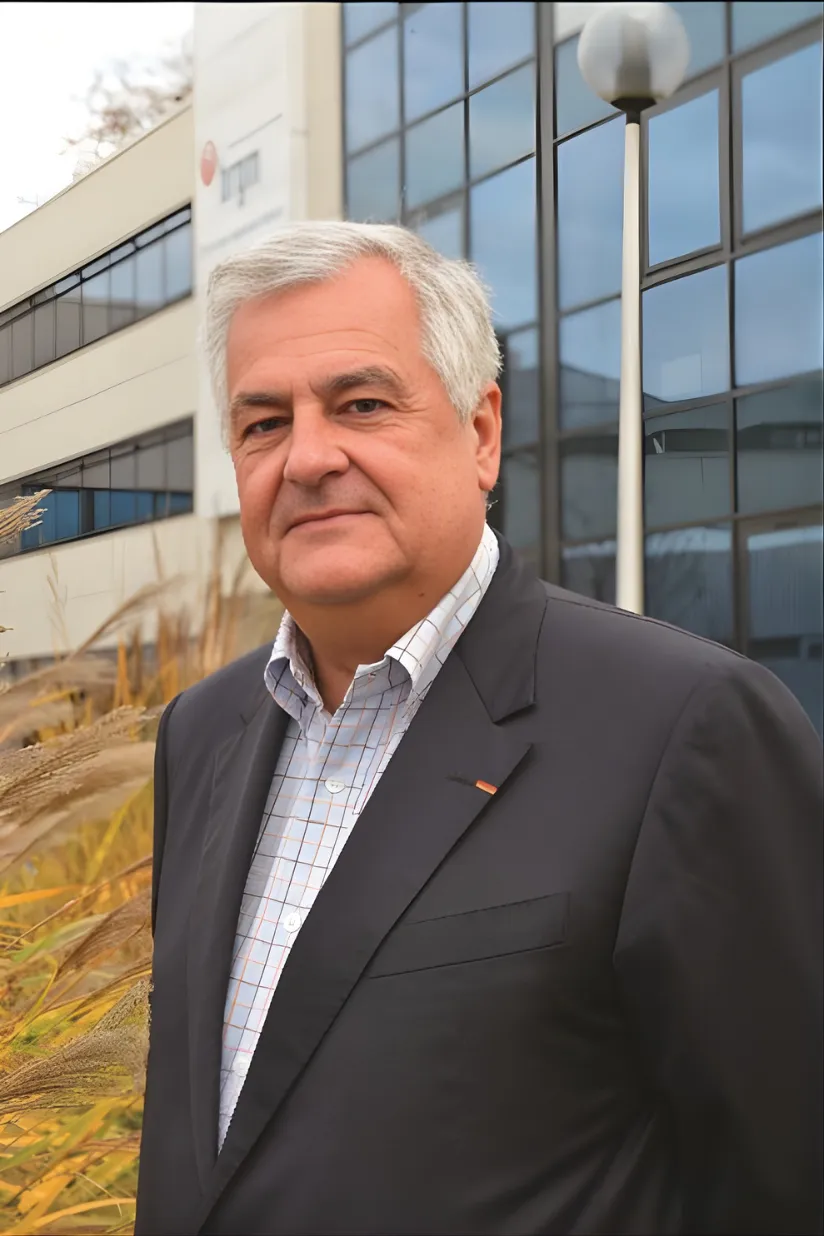
Leading a family-owned group active in the chocolate industry for more than a century, Jean-Paul Burrus advocates a strategy that remains rare in the sector: producing part of his own raw materials. According to him, this upstream integration serves a threefold objective: securing supplies, controlling quality, and differentiating oneself in increasingly volatile markets. In this interview, he reflects on the evolution of the global cocoa market, the future of cocoa production, and chocolate substitutes.
Anne Barrat - 1 June 2026
Read more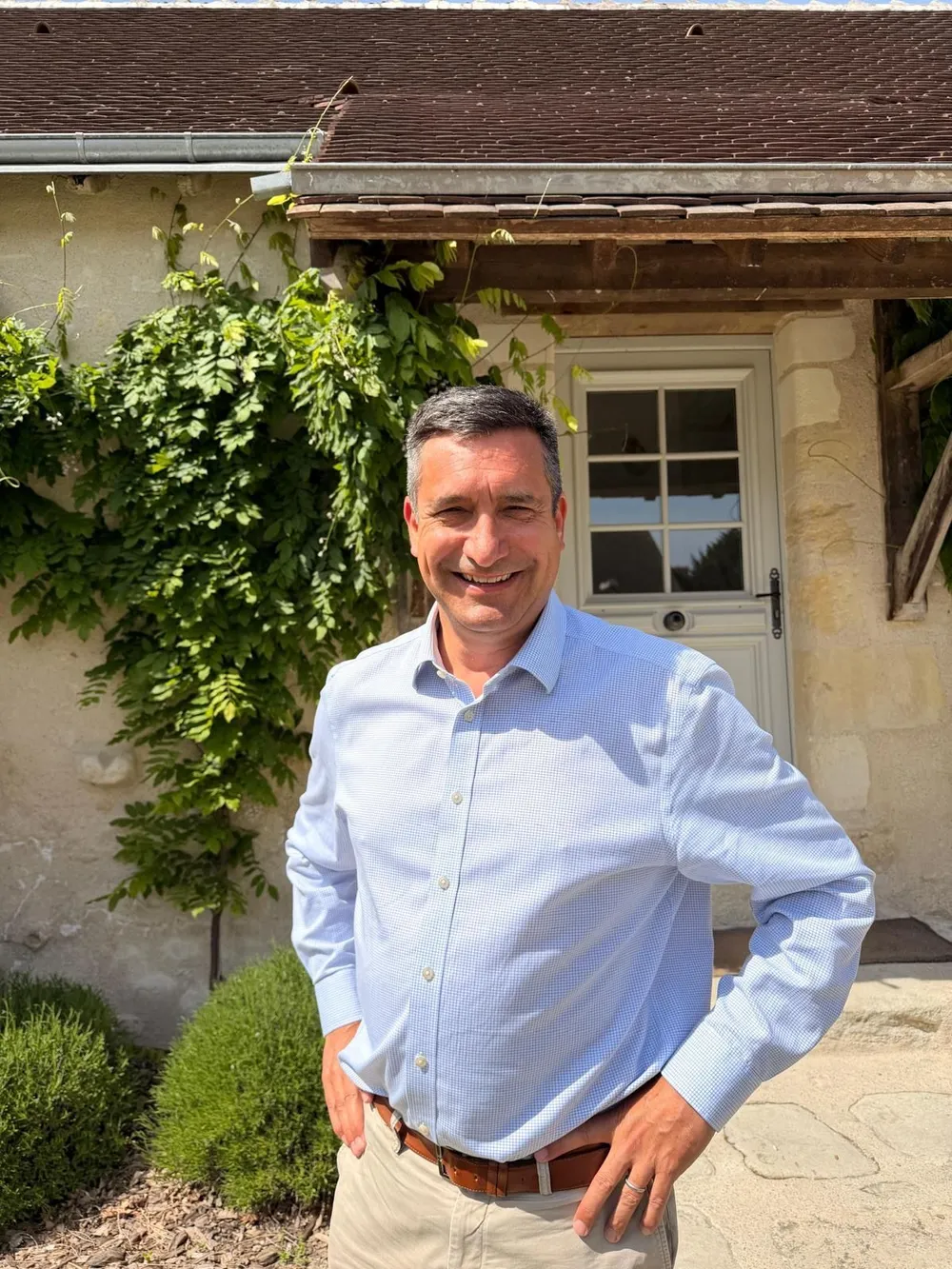
Unstable agricultural prices and rising production costs make diversification a key resilience lever for many farms. Antoine Dalle, a farmer and consultant, supports operators in this transition. For him, it is no longer an option but a paradigm shift. Interview.
15 May 2026
Read more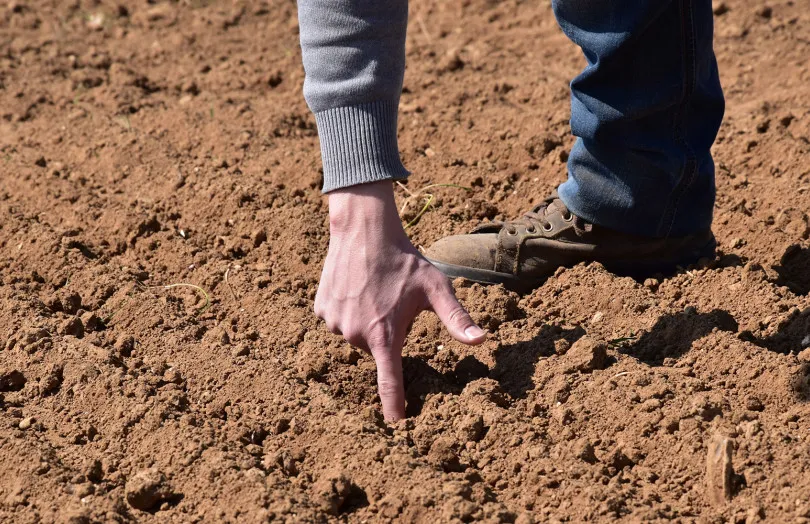
Should we wait for rain to sow winter flax, risking exposure of young plants to early frosts? Given the current soil dryness, choosing the right sowing date becomes tricky. A density of 2,000 seeds/m² is recommended to preserve the crop's potential and its fiber quality. Weed control, especially in pre-emergence, must also be adapted to moisture conditions.
Source: Arvalis, published under the title "Semis de lin fibre d’hiver : attendre le retour des pluies" - 9 October 2026
Read more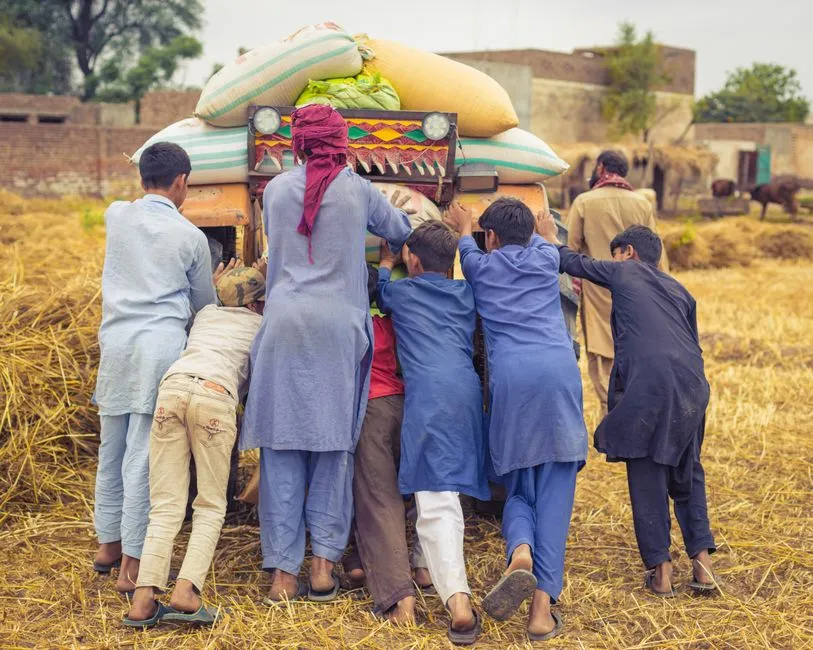
During a meeting with the Russian company Schelkovo Agrohim, the Pakistani minister emphasized the importance of cooperation that goes beyond importing finished products, focusing instead on technology transfer, seed development, and joint research. Pakistan aims to integrate advanced agricultural technologies to enhance its resilience against climate challenges and diseases, while also exploring trials of Russian seeds suited to its local conditions.
Source: Agropages, published under the title "Pakistan opens new avenue for Russian agricultural technolog..." - 9 October 2026
Read more
Digital falconry, utilizing drones to scare away pests, is emerging as an innovative solution in vineyards and orchards. While this technology is mature, its large-scale deployment will depend on regulatory developments. Drones, capable of renewing scare stimuli, offer an alternative to traditional methods, while also presenting notable environmental benefits.
Source: Wikiagri, published under the title "INNOVATIONS : Exploiter le potentiel des drones effaroucheur..." - 16 September 2026
Read more
The Spanish company Polyfly is positioning itself in the pollination market by offering hoverflies as alternatives to bees and bumblebees. With recognized innovations and an expansion project, it aims to meet the specific needs of producers, particularly in seed production, while preparing to enter the field pollination market.
Source: Wikiagri, published under the title "Des syrphes pollinisateurs" - 16 September 2026
Read more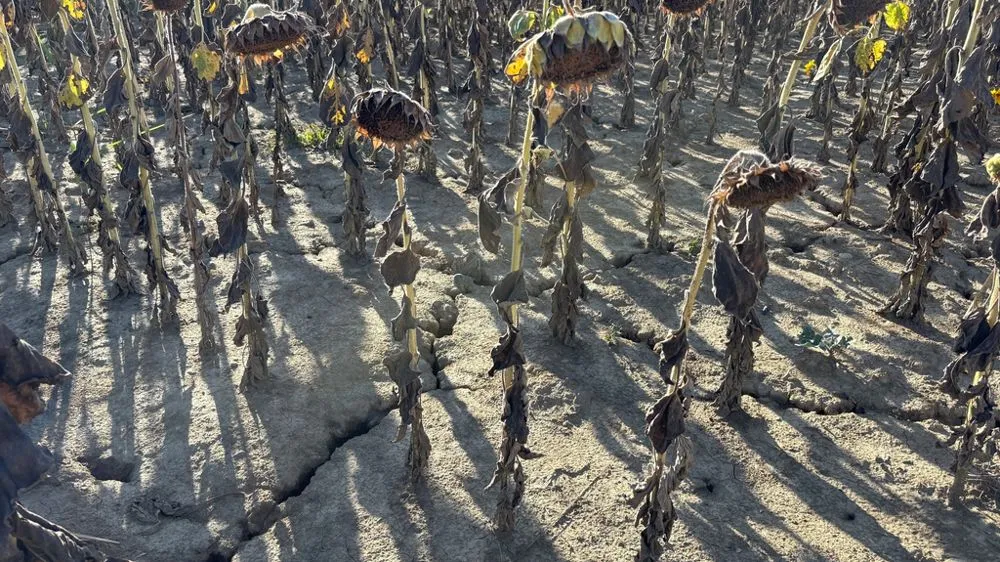
At a conference during the Innovagri fair, Matthieu Abella from Terres Inovia highlighted the sunflower's tolerance to water stress, capable of achieving its optimal yield with only 75% of its water needs. However, the exceptional climatic conditions of the summer of 2026 also affected this crop, emphasizing the importance of studying the physiological mechanisms at play to better adapt agricultural practices to climate challenges.
Source: La France Agricole, published under the title "La tolérance du tournesol au stress hydrique a été mise à ru..." - 16 September 2026
Read more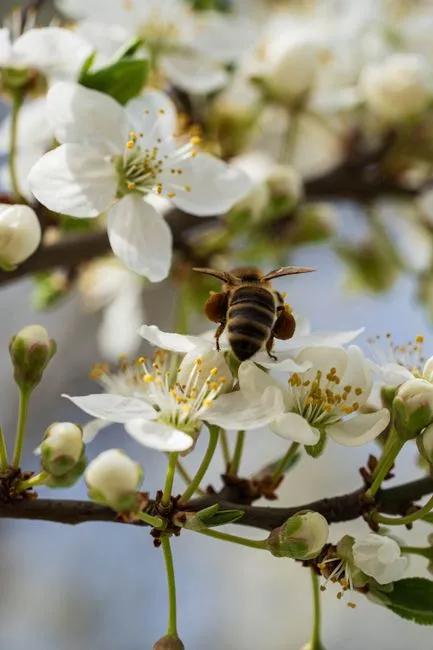
The Scottish research institute James Hutton Institute has partnered with British agritech company AgriSound to make the pollination of fruit crops measurable and manageable. The project combines bioacoustic sensors and artificial intelligence to monitor pollinator activity and better understand its impact on yields, with the ambition of also guiding the selection of new varieties.
Source: Agropages, published under the title "The James Hutton Institute joins precision pollination proje..." - 15 September 2026
Read more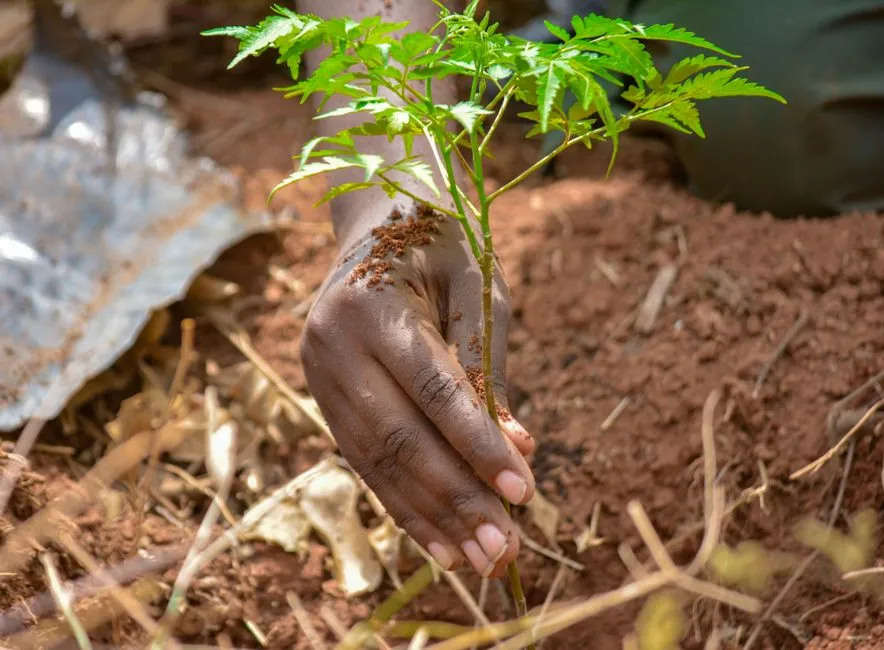
The 'Grow Eastern Africa' project, initiated by K+S and DEG Impulse gGmbH, aims to enhance agricultural productivity and the resilience of smallholder farmers against climate change in Kenya and Uganda. Co-financed by the German Ministry of Economic Cooperation, it offers training on plant nutrition and adapted agricultural practices, with the goal of reaching 10,000 farmers by 2028.
Source: Agropages, published under the title "″Grow Eastern Africa″ project launched to increase agricultu..." - 15 September 2026
Read more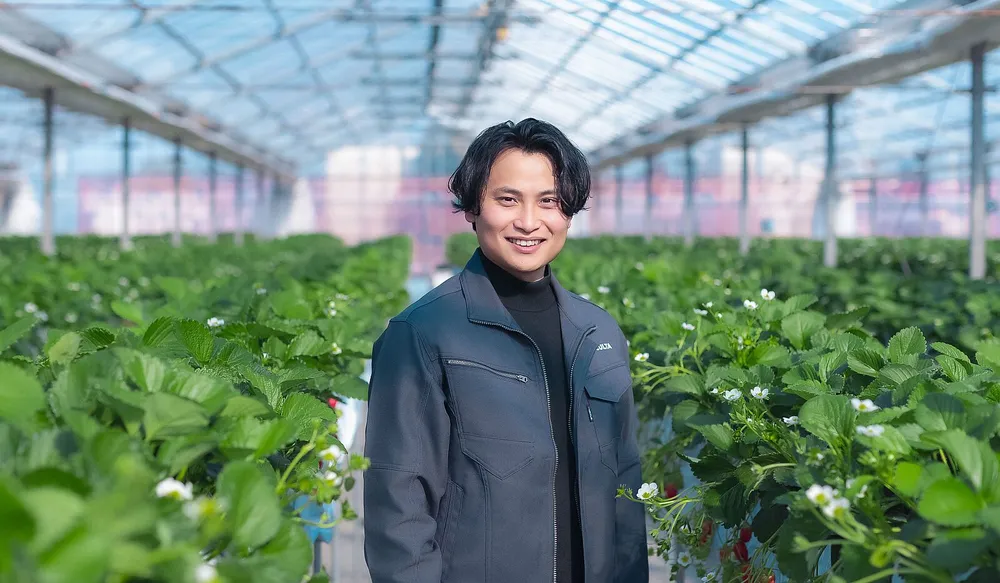
The Japanese startup Culta accelerates traditional varietal selection using AI and controlled environments, without genomic editing or GMOs. It claims to have reduced the development time for new strawberry varieties from ten years to two and is now preparing for international expansion, as well as entering the grape and apple markets.
Source: Agfundernews, published under the title "Can Culta take Japan’s premium fruit model global?" - 15 September 2026
Read more
The detection of Thrips parvispinus across all pepper production areas in Almería raises concerns among farmers. While not all farms are affected, vigilance is essential as the transplanting season comes to a close. Strict control measures and financial support are being implemented to address this invasive threat.
Team AgriMaroc.ma, Source: Agrimaroc, published under the title "Thrips parvispinus détecté dans toutes les zones de producti..." - 4 September 2026
Read more
In response to increasingly frequent drought episodes, French farmers are turning to innovative crops such as sorghum and pistachios. These plantations, suited to extreme climatic conditions, allow for diversification of farms and reduce risks associated with dependence on traditional crops. Initiatives are multiplying, but they require patience and investment to ensure sustainable production.
France 2, Source: Franceinfo, published under the title "Face à la sécheresse, de nouvelles cultures arrivent dans no..." - 4 September 2026
Read more