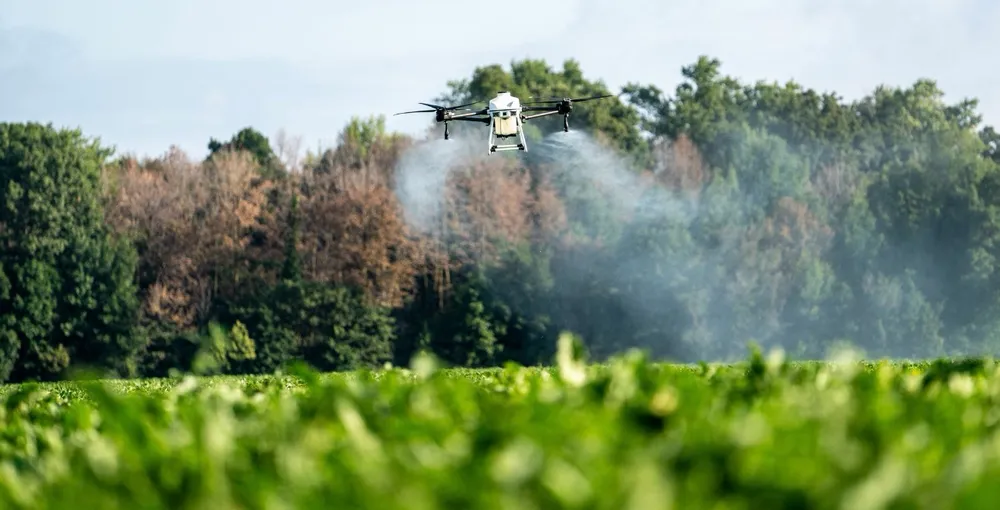
In response to American restrictions on foreign drones, Exedy Drones opens reservations for its new spraying model, the Ayre CX, with initial deliveries expected in spring 2027. The manufacturer is focusing on American production and increasing integration of local components to meet the new market constraints.
Source: Agfundernews, published under the title "Exedy Drones enters race to build American-made spray drones..." - 5 November 2026
Read more
The US Department of Agriculture launches a seed sequencing program for its national seed bank, raising questions about intellectual property and profit-sharing. This initiative, which aligns with a trend of genetic resource appropriation, could have significant implications for biodiversity-rich countries.
Source: Info Ogm, published under the title "Les États-Unis séquencent sans partage leur banque nationale..." - 5 November 2026
Read more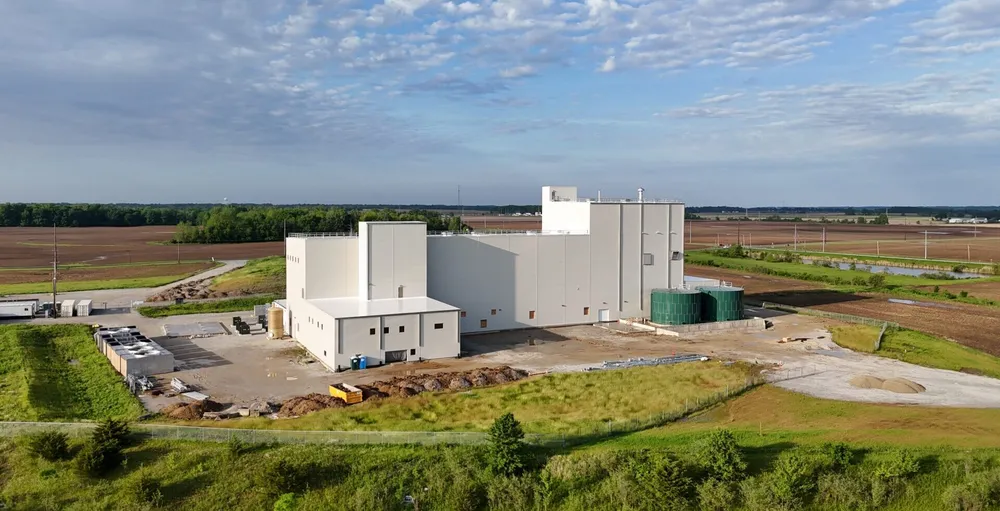
Despite having already secured $125 million, Liberation Bioindustries, which specializes in large-scale precision fermentation, is struggling to finalize funding for its 600,000-liter fermentation facility in Indiana. Following unsuccessful discussions for a sale or partnership, the company is now looking for an additional $25 million. The construction has fallen behind schedule, and commissioning now hinges on securing new financing.
Source: Agfundernews, published under the title "‘No acceptable offers’ for Liberation Bioindustries as firm ..." - 26 October 2026
Read more
Reservoir Farms will open a new experimental site in Yakima Valley, Washington, in spring 2027. Dedicated to robotics and artificial intelligence applied to specialty crops, it will host startups focusing on fruit trees and blueberries. The goal is to test their technologies in real-world conditions alongside producers and research organizations.
Source: Agropages, published under the title "Reservoir Farms expands to Washington State to accelerate ph..." - 26 October 2026
Read more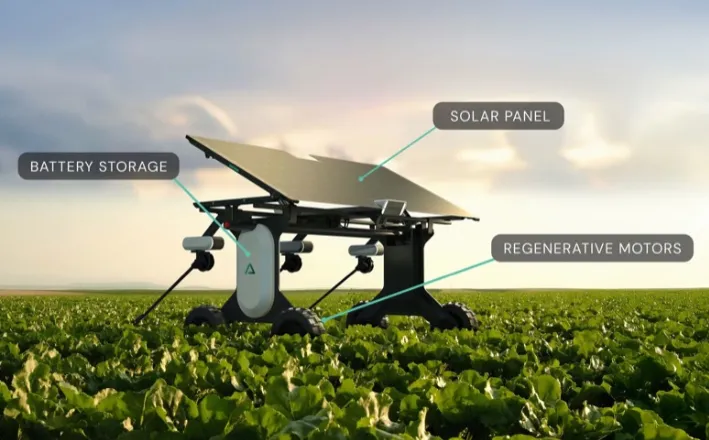
American startup Aigen introduces the Element Gen 2 X4, a robot capable of mechanically uprooting weeds both in-row and inter-row, utilizing four AI-controlled arms. Powered by solar energy, it also collects data on crops. Aigen claims to have built over 100 robots with a cumulative 15,000 hours of field autonomy. The new fleets will be available for the 2027 season.
Source: Agropages, published under the title "Aigen launches Element Gen 2 X4, the scalable precision mech..." - 16 October 2026
Read more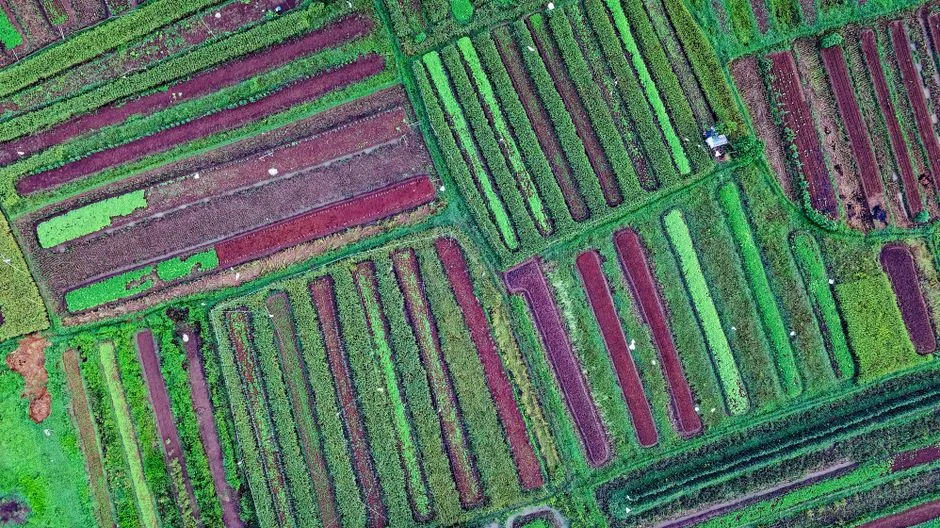
Canadian company Zema Global and Israeli startup SatYield have teamed up to provide agricultural market players with yield and production estimates based on satellite observation. Their analyses, particularly focused on soybeans and corn, aim to detect crop changes and their implications for supply more swiftly, integrating this data into decision-making tools for traders and analysts.
Source: Agropages, published under the title "Zema Global and SatYield bring satellite-based crop intellig..." - 16 October 2026
Read more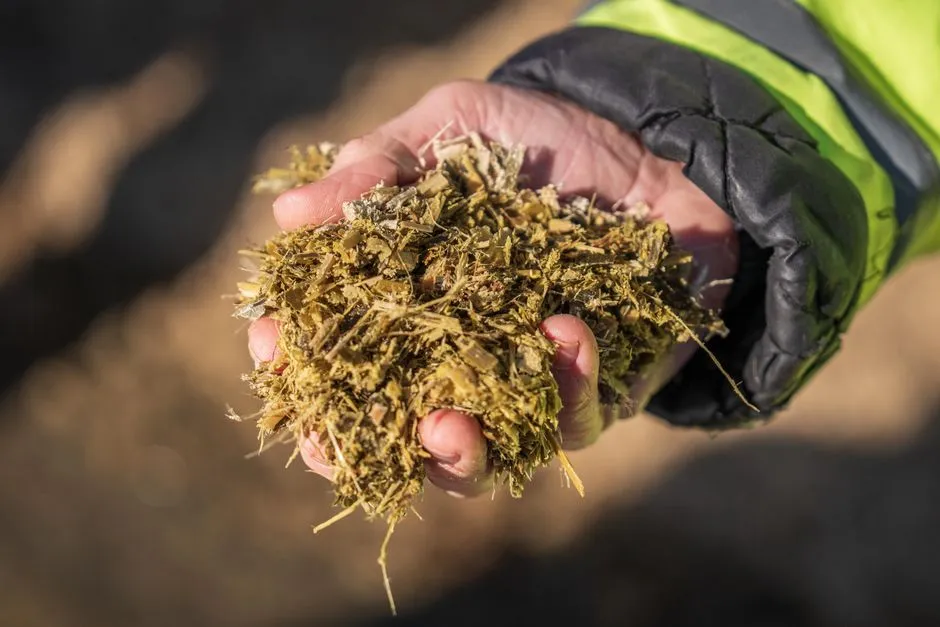
Canadian company Lucent BioSciences secures up to $1.98 million in federal funding to develop a biodegradable starch-based coating for controlled-release fertilizers. The goal is to replace polymer coatings that may leave microplastics in soils while improving nitrogen efficiency and reducing costs and greenhouse gas emissions associated with fertilization.
Source: Agropages, published under the title "Lucent BioSciences secures up to $1.98 million in federal fu..." - 9 October 2026
Read more
The United States is mobilizing $180 million to better understand and utilize its plant genetic resources. Announced on October 6 by the U.S. Department of Agriculture (USDA), the Seed Sovereignty Initiative plans to sequence collections of major crops from a national bank housing over 600,000 samples of 16,000 species over two years. The goal is to accelerate variety selection and reduce foreign dependencies in a sector deemed strategic.
Source: Agropages, published under the title "USDA announces $180 million Seed Sovereignty Initiative to s..." - 9 October 2026
Read more
At the University of Georgia in the United States, Professor Liang Dong is developing sensors designed to detect the early signs of plant stress, particularly in response to drought and diseases. At the intersection of engineering, agronomy, and artificial intelligence, this research aims to closely monitor crop reactions and provide farmers with useful information to adapt their interventions.
Source: Agropages, published under the title "Precision agriculture sensors help farmers detect drought, d..." - 9 October 2026
Read more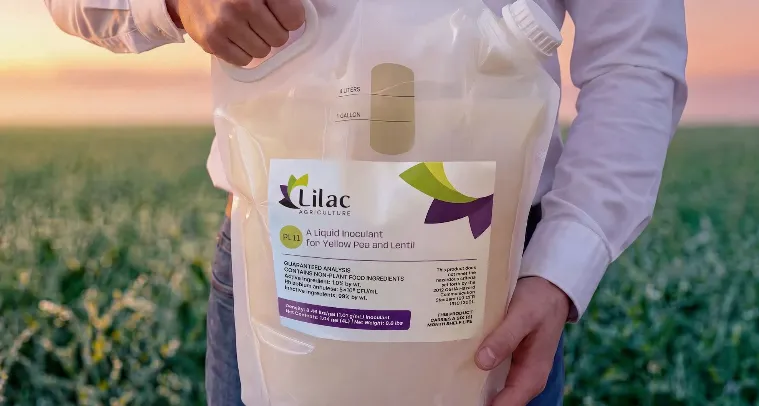
American biotech company Lilac Agriculture has raised $2.3 million to develop a new generation of rhizobium-based inoculants for legumes. Originating from research at North Dakota State University, its platform selects and adapts strains to improve both their nitrogen-fixing capacity and their ability to colonize nodules against naturally occurring soil bacteria. Its first product, PL11, aimed at peas and lentils, is already being marketed on a small scale in the United States, while the company prepares to enter the Canadian market.
Source: Agropages, published under the title "Lilac Agriculture closes oversubscribed $2.3 million Series ..." - 23 September 2026
Read more