France has suspended the import of food products containing residues of certain pesticides, even below the maximum allowable limits. The substances involved—such as glufosinate and mancozeb—affect a wide range of products. The alert from APEDA, the Indian agency responsible for agricultural export development, urges exporters to strengthen their practices and risk management, highlighting the tightening of European requirements on agrochemical residues.
Source: Agropages, published under the title "France tightens agrochemical rules: India's APEDA warns expo..." - 26 March 2026
Read more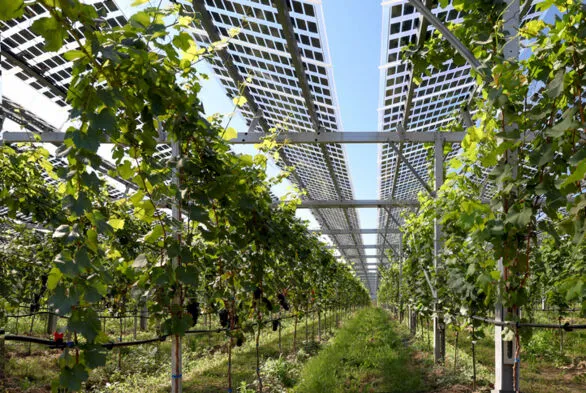
FRANCE - In light of the need to reduce dependence on fossil fuels, farms could play a key role in renewable energy production. France is focusing on biomass to develop biofuels, but concerns are emerging regarding the availability of this resource. The multiannual energy programming anticipates an increase in biogas injection capacity, while agrivoltaics could enable farms to produce as much electricity as nuclear power. A forward-looking study suggests that by 2050, 80% of farms could become energy producers, thus transforming the agricultural and energy landscape.
Publié par Pleinchamp, Source: Pleinchamp, published under the title "[Dossier] Produire de l’énergie sur les fermes, ou comment c..." - 18 March 2026
Read more
Dutch seed company Enza Zaden has developed 18 high-resistance tomato varieties against the Tomato Brown Rugose Fruit Virus (ToBRFV), a disease that has rapidly spread worldwide since 2015. The company published in the scientific journal Breeding Science the methodology that enabled the development of these varieties in seven years, utilizing molecular tools such as marker-assisted selection.
Source: Agropages, published under the title "How Enza Zaden developed 18 ToBRFV HR resistant tomato varie..." - 18 March 2026
Read more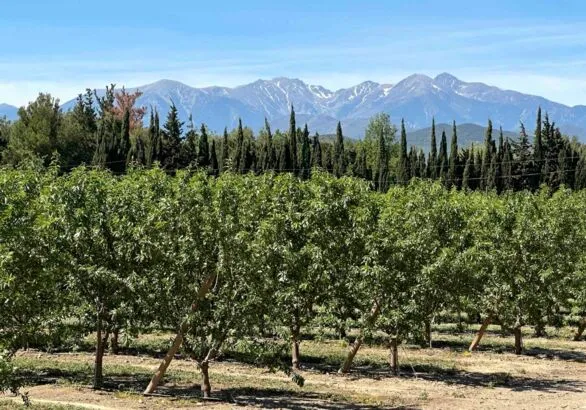
In 2025, the French fruit and vegetable sector reported a trade deficit of €8.5 billion – €3.6 billion for fruits, €895 million for vegetables, and €4.0 billion for processed products – with a self-sufficiency rate limited to 42.9% for fruits and 67.7% for vegetables. In response to this decline compared to European competitors, the Ministry of Agriculture has launched a plan to regain 5 points by 2030 and 10 points by 2035, focusing on competitiveness, processing, and exports.
Publié par Pleinchamp, Source: Pleinchamp, published under the title "Souveraineté 2035 (3/6) : en fruits et légumes, « un seul ma..." - 17 March 2026
Read more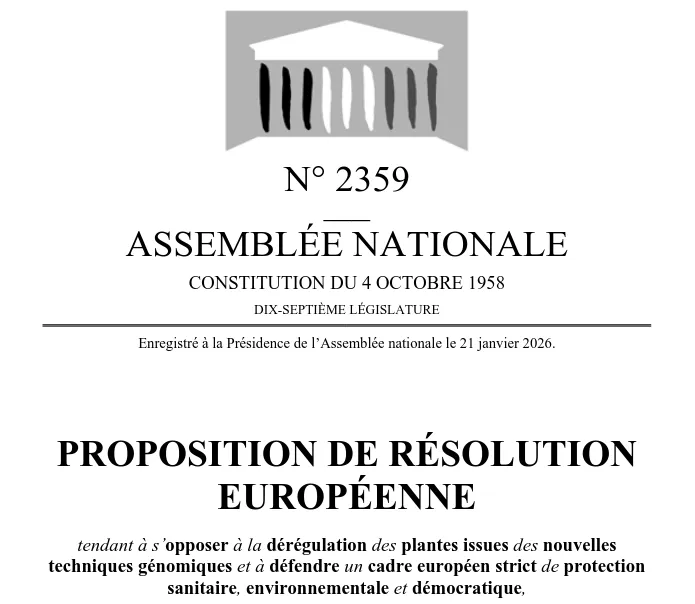
Following a shift in the French government's stance towards the deregulation of GMOs derived from new genomic techniques, 71 MPs from La France insoumise have submitted a resolution proposal. They urge the government to oppose this European text, advocating for a strict framework of health and environmental protection in response to non-binding commitments from the European Commission.
Source: Info Ogm, published under the title "71 députés enjoignent le gouvernement français à rejeter la ..." - 16 March 2026
Read more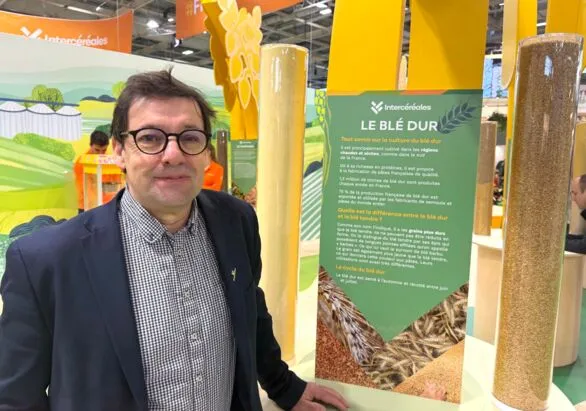
FRANCE. The area dedicated to durum wheat has decreased from 505,000 hectares in 2010 to 196,000 hectares in 2026, jeopardizing the sector. A sovereignty plan of 43 million euros aims to support research and promote contracts, which the sector wants to increase from 30% to 50% to secure producers' incomes. Despite this decline, France remains self-sufficient in durum wheat but still imports nearly 60% of its pasta.
Publié par Pleinchamp, Source: Pleinchamp, published under the title "Blé dur : « Dérisquer la production par la contractualisatio..." - 9 March 2026
Read more
The Swiss Senate has voted in favor of a simplified authorization procedure for pesticides already approved in Europe, emphasizing the urgency for rapid approval. This initiative, backed by the Centre party, aims to facilitate access to new products while maintaining controls in sensitive areas. Left-wing parties criticize this move, arguing that an adequate procedure has been in place since 2025, raising concerns about public health and nature conservation.
Source: Agropages, published under the title "Swiss parliament backs faster approval of pesticides" - 6 March 2026
Read more
At the BioSolutions forum in Brussels, Jonas Hipólito, president of the Brazilian company Biotrop, emphasized the need for increased adoption of biological inputs in Europe, despite regulatory challenges. He highlighted the differences between Brazilian and European approaches, where profitability and sustainability must be balanced. Biotrop, with a team already in Europe, is preparing to overcome these obstacles and meet the growing demand for sustainable solutions.
Source: Agropages, published under the title "Biotrop sees European biologicals breakthrough, despite regu..." - 16 February 2026
Read more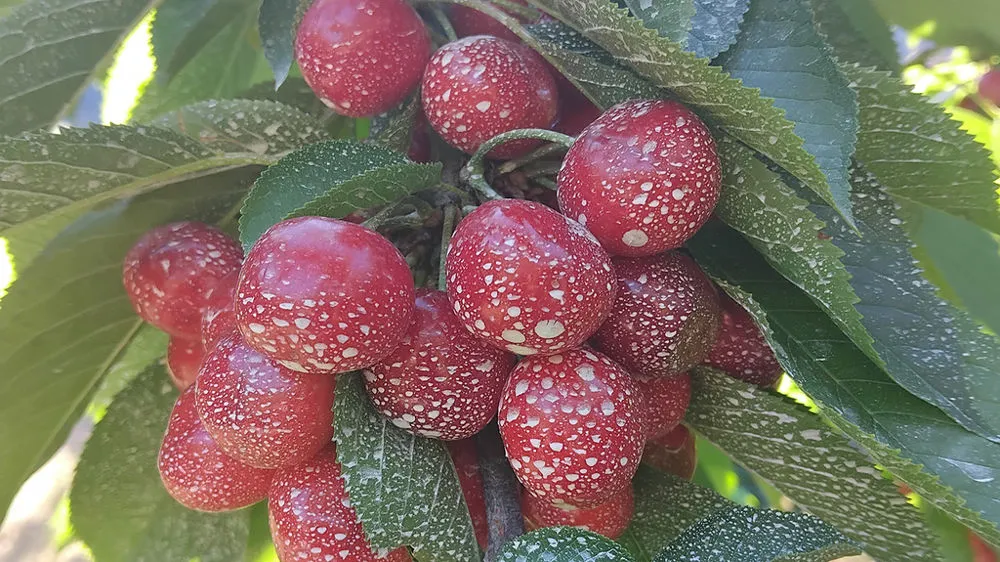
Fruit growers from the Dephy group in Aveyron are exploring the use of white clay to combat the spotted wing drosophila, a pest threatening cherry trees. After two years of experimentation, the results are deemed encouraging, suggesting that this approach could reduce reliance on chemical pesticides while promoting more sustainable farming practices.
Source: La France Agricole, published under the title "Cerisier : la piste de l’argile pour lutter contre la drosop..." - 15 February 2026
Read more
Ukraine's potential accession to the European Union could reshape the European agricultural landscape by introducing a major player with competitive production costs. As French farmers express concerns over increased competition, the EU must navigate between opportunities to enhance its global standing and the challenges of harmonizing internal regulations. The tensions already observed in regional markets highlight the complexity of this integration.
Publié par Pleinchamp, Source: Pleinchamp, published under the title "L’entrée de l’Ukraine dans l’Union européenne va‑t‑elle ravi..." - 13 February 2026
Read more