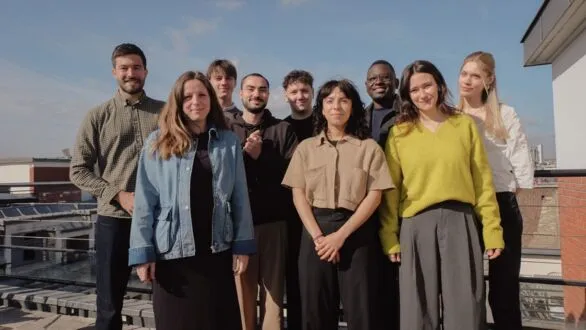
Hectarea, an investment platform for agricultural land, announces a fundraising of €1.5 million to support its development and facilitate land access for new farmers. With an entry ticket lowered to €100, the company aims to democratize agricultural investment while addressing the urgent need for generational renewal in the sector, as 50% of French farmers are set to retire by 2030.
Publié par HECTAREA SAS, Source: Pleinchamp, published under the title "Hectarea lève 1,5 million d'euros pour soutenir une agricult..." - 28 April 2026
Read more
The second edition of the conference on crop protection regulation, organized by the ECCA (European Crop Protection Association), will take place in Brussels in September 2026. This crucial event for the post-patent crop protection sector will address regulatory developments related to the EU's food safety simplification package. Discussions will focus on active substance assessments and the sector's role in agricultural competitiveness, bringing together decision-makers and key stakeholders to exchange on upcoming challenges and opportunities.
Source: Agropages, published under the title "Europe’s post-patent plant protection sector to assess EU re..." - 27 April 2026
Read more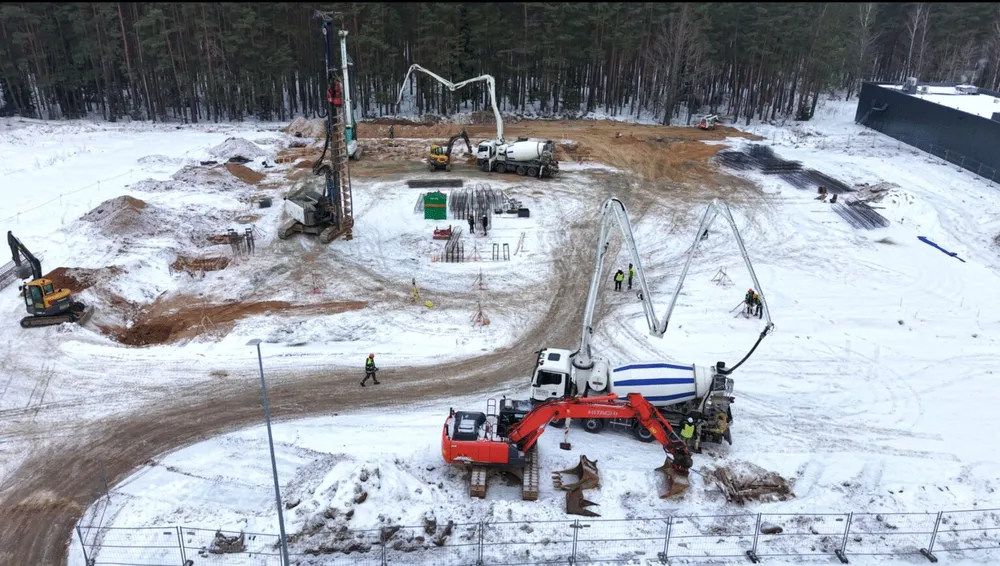
Elaine Watson, Source: Agfundernews, published under the title "Sweet protein: Pentasweet breaks ground on $76m precision fe..." - 24 April 2026
Read more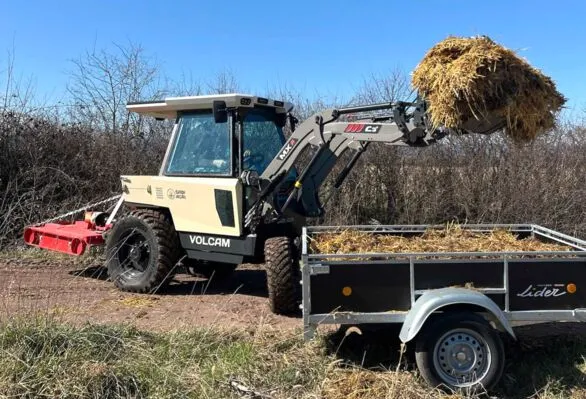
Publié par Pleinchamp, Source: Pleinchamp, published under the title "Electrification : l’Etat au soutien d’un parc de 150 tracteu..." - 24 April 2026
Read more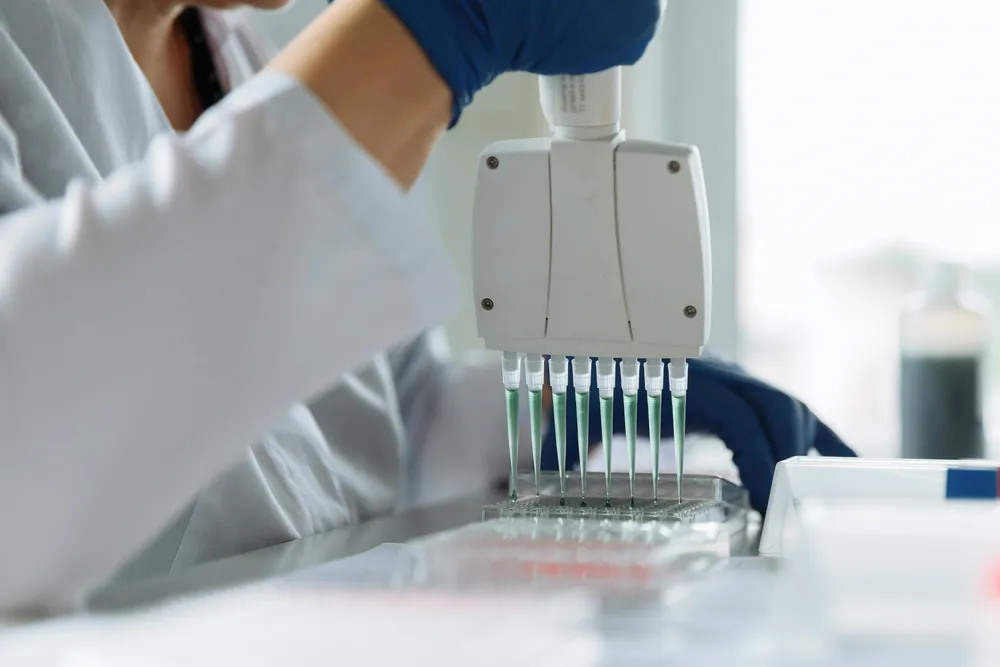
The European Union Council has adopted a regulatory framework for New Genomic Techniques (NGT), aimed at enhancing food security and reducing external dependencies. This framework distinguishes NGT-1 plants, exempt from labeling, from NGT-2, which are subject to GMO legislation. The new rules also introduce transparency measures on intellectual property, expected to impact innovation and competitiveness in the sector. Implementation of this framework is set for 2028.
Source: Agropages, published under the title "New genomic techniques: Council adopts new rules to boost su..." - 23 April 2026
Read more
The Dutch regulator Ctgb is considering banning 46 PFAS-containing pesticides following research indicating their impact on groundwater. Potato producers, reliant on these products to combat blight, may face significant losses. The search for alternatives proves complex, as the final decision is expected by April 2028.
Source: Agropages, published under the title "Dutch regulator weighs ban on 46 PFAS pesticides over drinki..." - 22 April 2026
Read more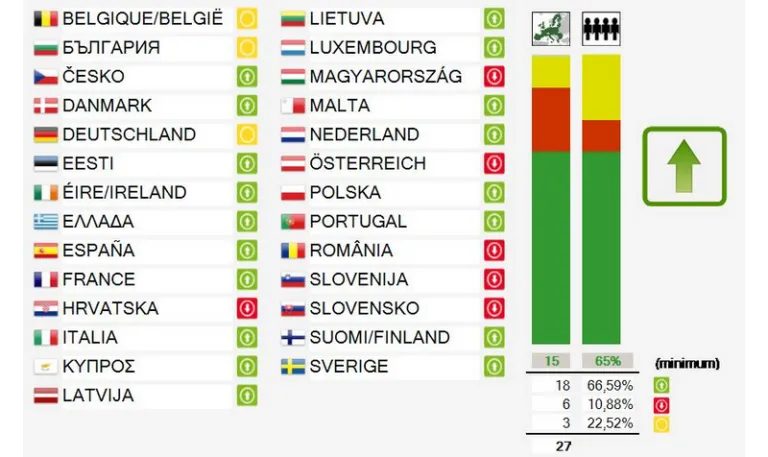
On April 21, 2026, the Council of the European Union adopted a favorable position on the deregulation of GMOs and NGTs, ending months of debate. This text, which still needs to pass through the European Parliament, could transform the landscape of agriculture and biotechnology in Europe by facilitating the use of new genetic modification techniques.
Source: Info Ogm, published under the title "Le Conseil de l’UE favorable à la déréglementation des OGM/N..." - 21 April 2026
Read more
The UK government has announced a £50 million investment to accelerate the adoption of agricultural technologies on British farms. This program, managed by the Farming Innovation Programme in partnership with Innovate UK, will support up to 12 innovations, including a fungal biopesticide and mushroom-based solutions. An additional £5 million will be available for agritech businesses in 2026-27, aimed at enhancing productivity and sustainability in the agricultural sector.
SEPEHR ACHARD, Source: Igronews, published under the title "UK Government Backs £50 Million Push to Bring AgriTech to Br..." - 20 April 2026
Read more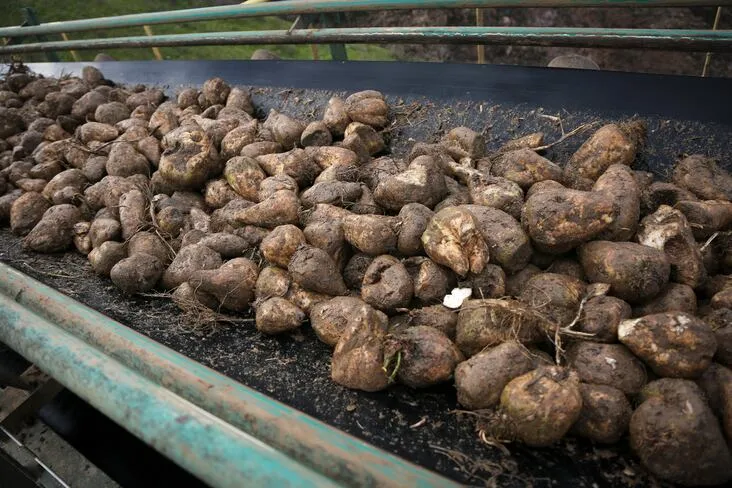
The MyEasyAI platform, a result of collaboration between the Cristal Union cooperative and the startup MyEasyFarm, relies on data analysis from 9,000 French farms. Its aim is to assist farmers in optimizing sugar beet production while minimizing the use of plant protection products, as part of an ambitious three-year program set to launch in 2025.
Source: Usine Nouvelle, published under the title "Basée sur les données de 9000 exploitations agricoles, cette..." - 20 April 2026
Read more
SWITZERLAND - Startups Eleum, MOLECL, and NourishAI, based at EPFL, have received an Innogrant of 100,000 CHF to develop innovative biotherapeutics. Eleum is working on a microbiome-based treatment for ulcerative colitis, MOLECL is developing nanopore protein analysis technology, and NourishAI offers a personalized nutrition approach for patients with amyotrophic lateral sclerosis (ALS).
Source: Epfl, published under the title "Eleum, Molecl, NourishAI awarded i4L Innogrant for Biotherap..." - 26 March 2026
Read more