
The Alpha Biotech program, launched at BIOKET 2026, aims to remove barriers to the industrialization of industrial biotechnology startups. Selected startups will receive support over 12 months and benefit from the expertise of the CEBB (European Centre for Biotechnology and Bioeconomy) and ARD (Agro-Industry Research and Development) across three areas: technological security, financial structuring, and market access. Applications are open until May 31, 2026, with selection scheduled for June during VivaTech.
Source: La Ferme Digitale, published under the title "Alpha Biotech : l’appel à candidatures pour accélérer l’indu..." - 8 May 2026
Read more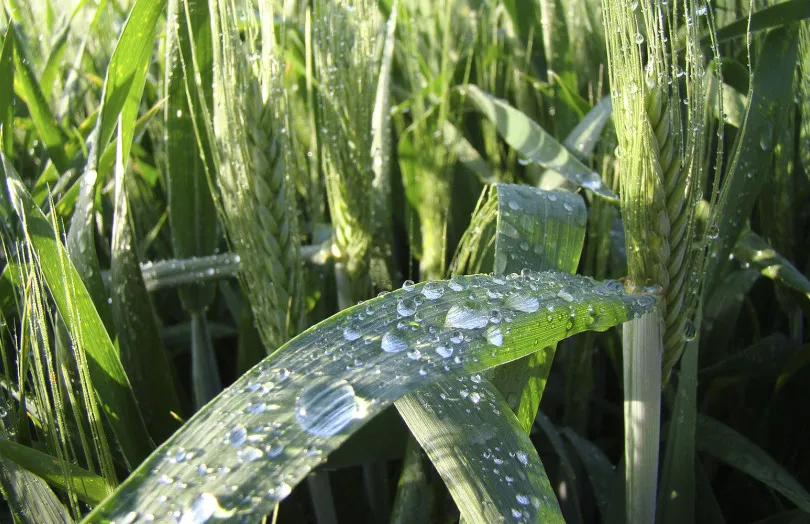
Wheat flowering is a critical period for contamination by fusariosis, a group of fungal diseases that can affect both yield and grain quality. In contrasting weather conditions, between rainy episodes and thermal stress, diagnosing symptoms observed in the field becomes particularly complex, blending real diseases with physiological disorders. Understanding risk factors, distinguishing the origins of symptoms, and correctly positioning fungicide interventions are essential to preserve crop potential, especially against the risk of mycotoxin production such as DON. Hard wheats require systematic protection, while soft wheats must be assessed according to a risk grid to maintain yield and quality.
Source: Arvalis, published under the title "Pluies à la floraison des blés : prévoir une protection fong..." - 7 May 2026
Read more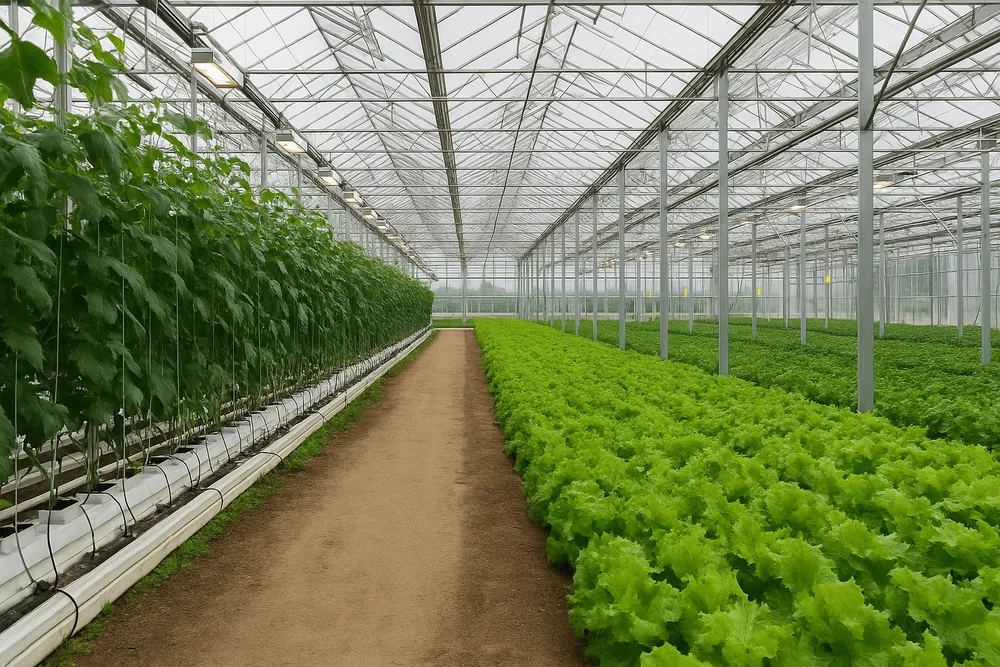
Greenhouse agriculture is rapidly expanding, particularly in the Middle East, where ambitious projects supported by food security policies are emerging. Technological advancements, such as automation and LED lighting systems, are transforming the sector, while company consolidation is redefining the business landscape.
SEPEHR ACHARD, Source: Igronews, published under the title "Greenhouse Farming: A Shift in the Industry" - 7 May 2026
Read more
Suterra, a global leader in biological pest control, has acquired Vestaron's product lines and research assets, including the recently EPA-approved Spear® and Basin™ products for use in the United States. This acquisition aims to enhance Suterra's offerings and support growers with proven solutions and technical expertise, while planning to manufacture Spear® Lep, its own product, in the near future.
Source: Agropages, published under the title "Suterra acquires Vestaron’s R&D assets and product lines" - 7 May 2026
Read more
A study evaluated the foliar application of biopesticides by analyzing the droplet sizes produced during spraying. The range of 100 to 300 μm, deemed optimal for leaf penetration and microorganism viability, was examined based on different types of hydraulic nozzles and application pressures. Results show that these parameters significantly influence droplet distribution. Despite slight variations from water, biological solutions remain suitable for effective foliar application with conventional equipment.
Source: Agropages, published under the title "Droplet size distribution characteristics of Bacillus thurin..." - 7 May 2026
Read more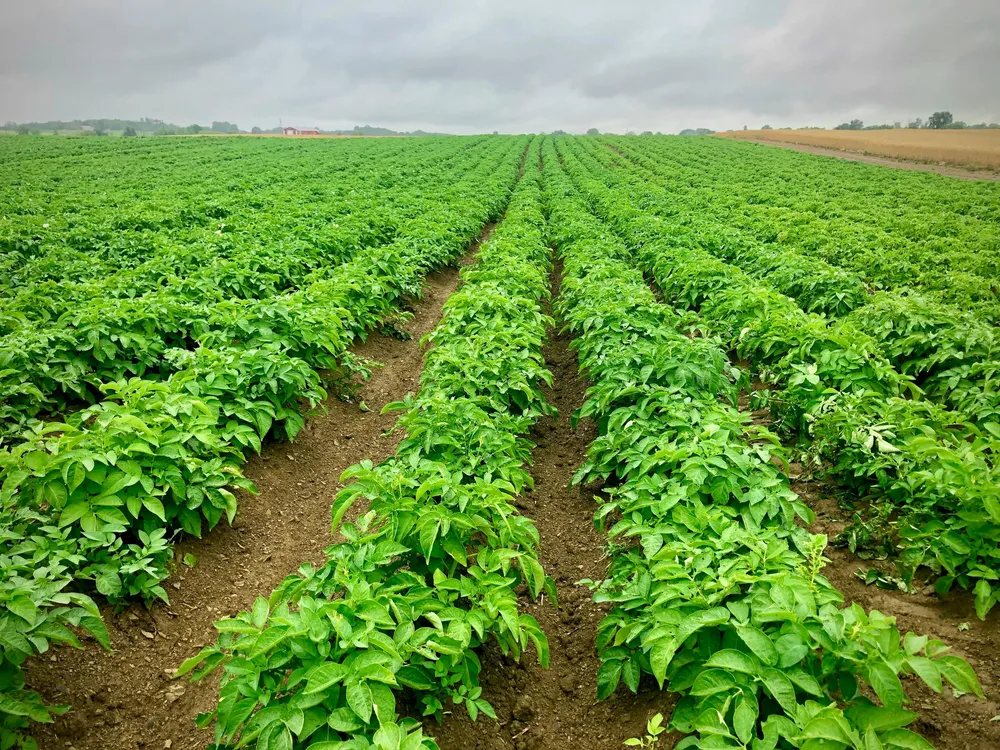
This marks a first in Europe. Belgian authorities have granted an emergency use authorization for Calantha®, an innovative RNA-based insecticide aimed at combating the potato beetle during the 2026 growing season. Calantha® has been developed to meet environmental standards, with no detectable residues on crops. It is designed to be safe for bees and other non-target organisms, addressing growing environmental expectations.
Source: Agropages, published under the title "GreenLight Biosciences secures Belgian emergency use authori..." - 7 May 2026
Read more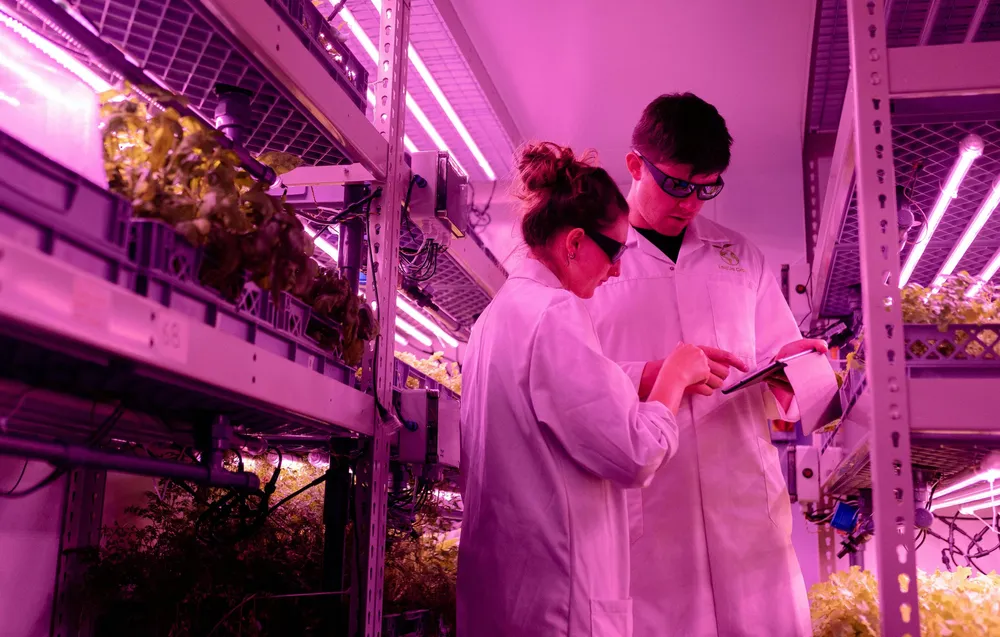
At the NewAG International Annual 2026 session, DunhamTrimmer highlighted a transformation in input markets, where growth persists but becomes more complex to capture. Innovation is shifting towards advanced delivery systems and biological integration rather than just nutrients. Companies must navigate an uneven market, where the ability to demonstrate return on investment and integrate into real agricultural systems becomes crucial to capture value.
Source: Agropages, published under the title "Growth becomes more selective in biologicals and specialty f..." - 7 May 2026
Read more
Jennifer Marston, Source: Agfundernews, published under the title "Environmental and geopolitical pressures are driving deeptec..." - 7 May 2026
Read more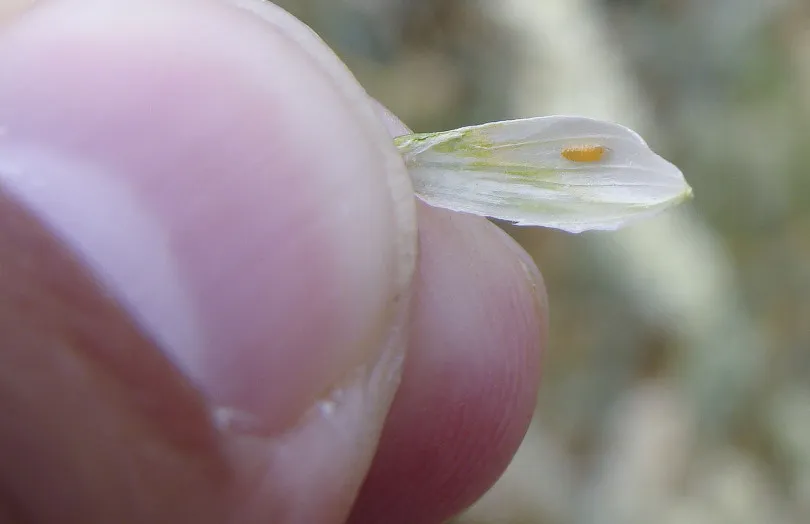
Managing Hessian flies, pests of wheat, requires rigorous observation to determine intervention thresholds. Sensitive varieties must be closely monitored, especially during flowering when females lay their eggs. An intervention threshold has been established for orange Hessian flies, while some wheat varieties show resistance.
Source: Arvalis, published under the title "Cécidomyies : intervenir sur variétés sensibles si le seuil ..." - 6 May 2026
Read more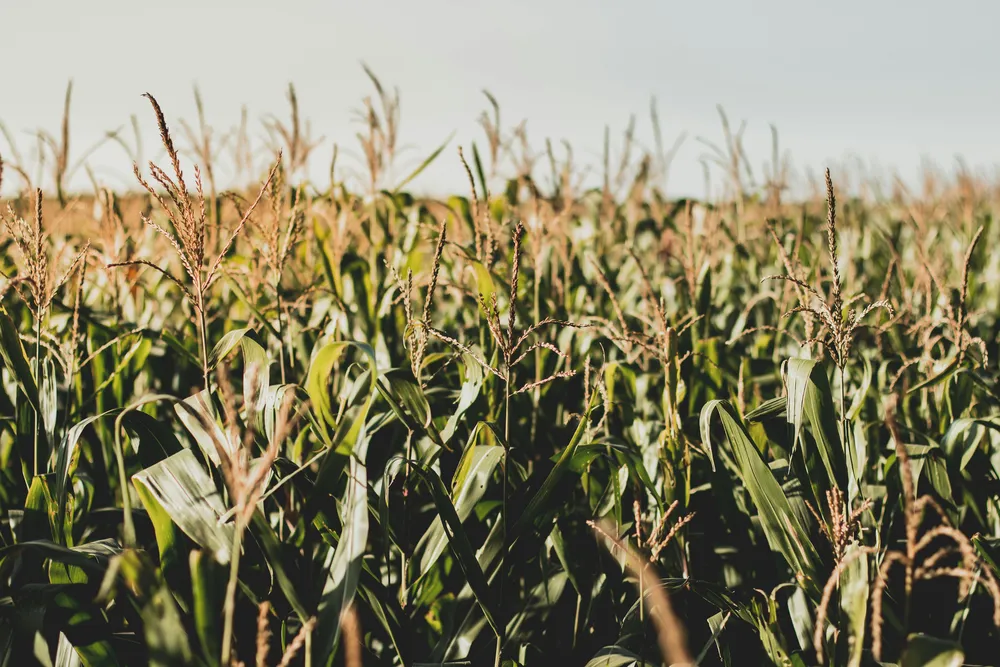
Corn crops in Brazil are facing heightened pressure from fall armyworms, challenging the effectiveness of advanced biotech traits and prompting producers to adopt integrated pest management (IPM) strategies. The use of biological products, such as baculoviruses, has shown promising results but requires precise application to be effective.
Source: Agropages, published under the title "Caterpillar pressure intensifies in Brazil’s corn belt, chal..." - 6 May 2026
Read more