
Excited to share that our research paper, "Smart Agri-Suite: A Globally Deployable Machine Learning Platform for Satellite-Driven Idle Land Mobilization and Smallholder Agricultural Decision Support " has been published in IEEE Xplore.
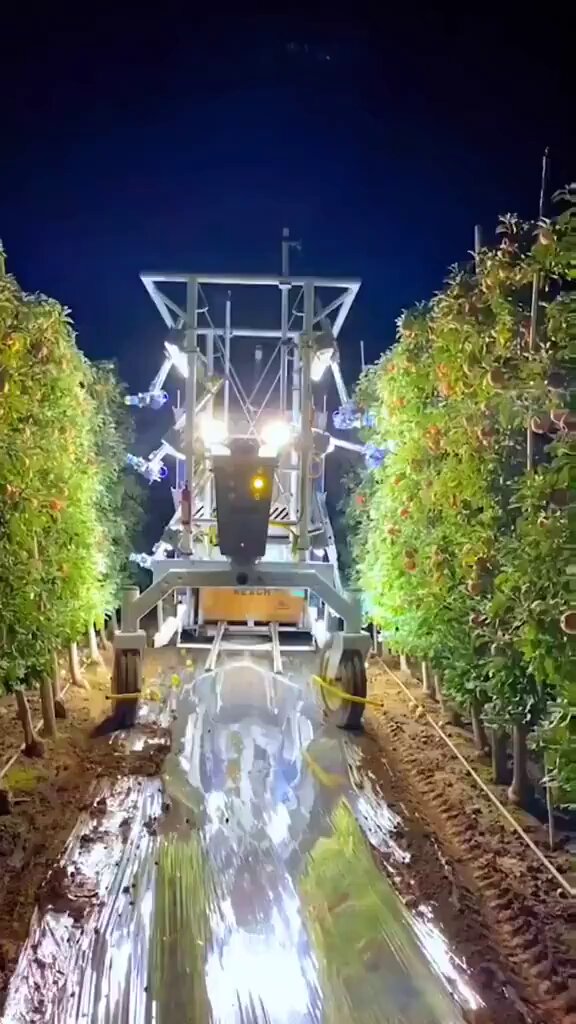
Smart Agri-Suite fuses satellite intelligence with machine learning to unlock idle agricultural land and put real decision-making power in the hands of the 500 million smallholder farmers who feed the world.
Proud to have delivered the oral presentation at ICHORA 2026 - the 8th International Congress on Human-Computer Interaction, Optimization and Robotic Applications, Ankara, Türkiye.
IEEE Xplore: https://lnkd.in/gZHf3Bgb
DOI: 10.1109/ICHORA69329.2026.11537179
Publisher: IEEE
None of this would have been possible without the people behind it. My sincere thanks to my teammates, Eranga Bowatte, Senudi Rupasinghe, and Janakalani Nishedi , for the countless hours of collaboration, problem solving and shared determination that carried this project from an idea to a published paper. Every challenge along the way was made lighter by working through it together.
I am equally grateful to our supervisor, Dhammika H De Silva and co-supervisor, Lakmini Abeywardhana, for their invaluable mentorship, patience and constant encouragement throughout this research journey. Their guidance shaped not just this paper, but the way we approached research as a whole, and I could not have asked for better mentors to learn from.
This achievement belongs to all of us and I could not be more thankful for the teamwork and guidance that made it possible. ✨
#IEEE #IEEEXplore #ResearchPaper #ArtificialIntelligence #MachineLearning #SmartAgriculture #PrecisionAgriculture #ICHORA2026 #AgriTech #SriLankaTech
6 Septiembre 2026 à 09h20
Ver en LinkedIn →