CF Industries and PepsiCo announce a commercial agreement to deploy a certified low-carbon UAN fertilizer (urea-ammonium nitrate solution) in the Frito-Lay potato supply chain. This initiative, utilizing carbon capture technologies, aims to reduce greenhouse gas emissions that account for 15-20% of emissions in potato cultivation, without altering agronomic practices.
SEPEHR ACHARD, Source: Igronews, published under the title "CF Industries and PepsiCo Partner to Deploy Certified Low-Ca..." - 4 May 2026
Read more
A Texas A&M study reveals that artificial intelligence can accurately predict thrips outbreaks, enabling farmers to anticipate threats before they impact crops. With machine learning models achieving 88% accuracy, researchers demonstrated that AI can analyze thousands of environmental data points to provide localized forecasts and enhance pest management.
Source: Agropages, published under the title "AI-powered forecasts sharpen early warning for destructive c..." - 4 May 2026
Read more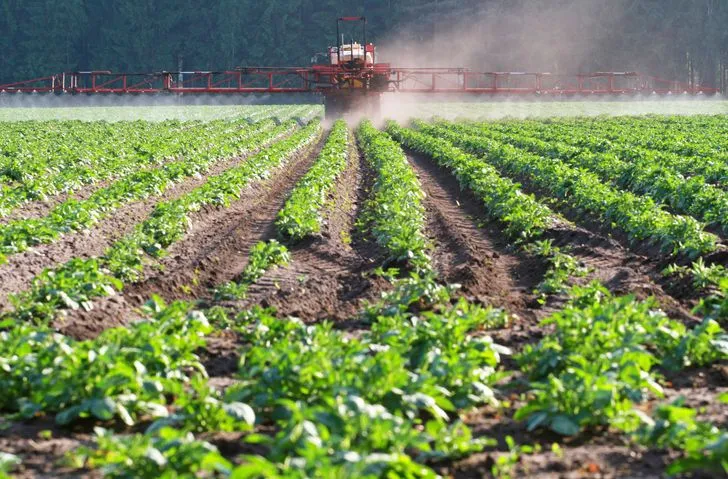
As legal controversies surrounding glyphosate threaten its future in the United States, some experts warn of the risks of a hasty withdrawal for agriculture. Despite its limitations, this herbicide remains difficult to replace in terms of cost, effectiveness, and environmental impact. To achieve sustainable solutions, the most credible path lies not in prohibition but in the development of more efficient weeding technologies.
Dan Blaustein-Rejto, Source: Agfundernews, published under the title "Guest article: The future of glyphosate may rest with innova..." - 1 May 2026
Read more
In the first quarter of 2026, Syngenta Group recorded a 2% increase in sales, reaching $6.4 billion. The company emphasizes innovation, particularly through next-generation trait technologies and AI-based agronomy solutions. Crop Protection sales performed particularly well in China and Europe, driven by strong demand for biological products.
Source: Agropages, published under the title "Syngenta Group reports $6.4 billion sales and $1.4 billion E..." - 1 May 2026
Read more
The Indian Crop Protection Federation (CCFI) warns of the consequences of introducing data protection in the Indian agrochemical sector. CCFI President Deepak Shah emphasizes that data exclusivity could create monopolies, delay the arrival of generic products, and increase costs for farmers, while undermining India's competitiveness in the global market.
Source: Agropages, published under the title "Data exclusivity in agrochemicals could undermine ‘Make in I..." - 1 May 2026
Read more
As global agriculture shifts towards more sustainable solutions, derivatives of green algal oligosaccharides emerge as an innovative response to reduce chemical use while maintaining disease control effectiveness. With dual action mechanisms, these molecules not only activate plants' natural defenses but also directly inhibit pathogens, as evidenced by their success in controlling tea anthracnose, citrus canker, and grape downy mildew.
Source: Agropages, published under the title "Moving Beyond Conventional Approaches to Crop Disease Contro..." - 1 May 2026
Read more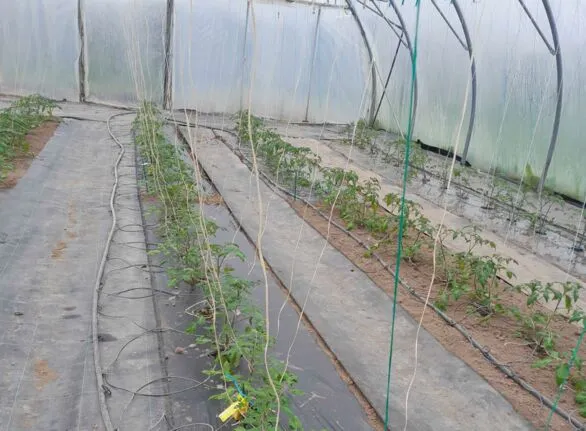
The plastics used in market gardening, while practical, pose significant environmental challenges. Farmers, facing a high contamination rate (averaging 70%), are exploring various alternatives, ranging from recycling to the use of biodegradable films and cover crops. The results of experiments show that each option has its advantages and disadvantages, highlighting the lack of a universal solution.
Publié par Pleinchamp, Source: Pleinchamp, published under the title "Recycler, biodégrader, remplacer ? Le casse-tête des plastiq..." - 1 May 2026
Read more
In the first quarter of 2026, Syngenta Group reported sales of $6.4 billion, reflecting a 2% increase compared to the previous year. The Crop Protection division achieved sales of $3.5 billion, driven by strong demand for biological products, while the Seeds division experienced significant growth, particularly in Latin America.
SEPEHR ACHARD, Source: Igronews, published under the title "Syngenta Group Reports Q1 2026 Sales of $6.4 Billion and EBI..." - 30 April 2026
Read more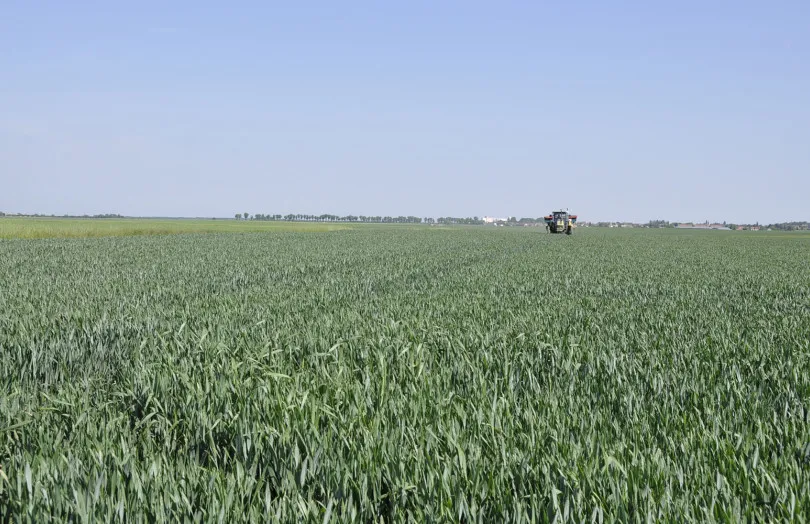
Source: Arvalis, published under the title "Absence de pluies : piloter le dernier apport d’azote selon ..." - 30 April 2026
Read more
Eden Research plc, a major player in the field of sustainable biopesticides, has announced financial results in line with market expectations for the period ending March 31, 2026, with projected revenues of £4.9 million. The company has also secured crucial regulatory approvals for its products, including Mevalone in California and France, and has signed an exclusive distribution agreement with Syngenta, thereby expanding its market.
Source: Agropages, published under the title "Eden Research reports steady progress, new Syngenta deal, an..." - 30 April 2026
Read more