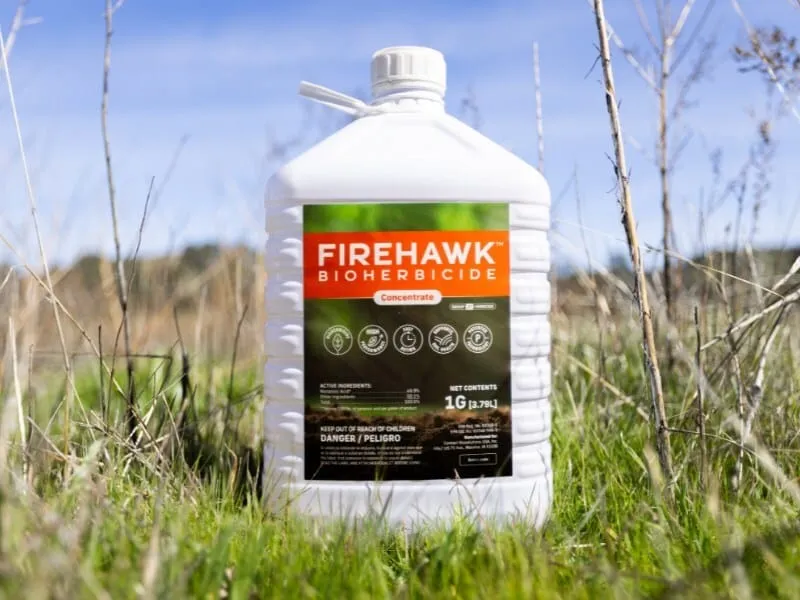
Contact BioSolutions se positionne sur le marché des herbicides avec Firehawk, un bioherbicide à 87% d'ingrédients actifs, permettant une dilution efficace et une réduction des coûts d'application. Avec des approbations réglementaires en cours et un lancement prévu pour 2027, l'entreprise vise à capter 1% d'un marché de 40 milliards de dollars, tout en promouvant des pratiques agricoles régénératives et en répondant aux préoccupations croissantes sur les résidus chimiques dans les aliments.
SEPEHR ACHARD, Source: Igronews, published under the title "Contact BioSolutions Is Taking on the $40B Herbicide Market—..." - 19 June 2026
Read more
Publié par Pleinchamp, Source: Pleinchamp, published under the title "Horsch et Sam-Dimension accélèrent sur le désherbage localis..." - 19 June 2026
Read more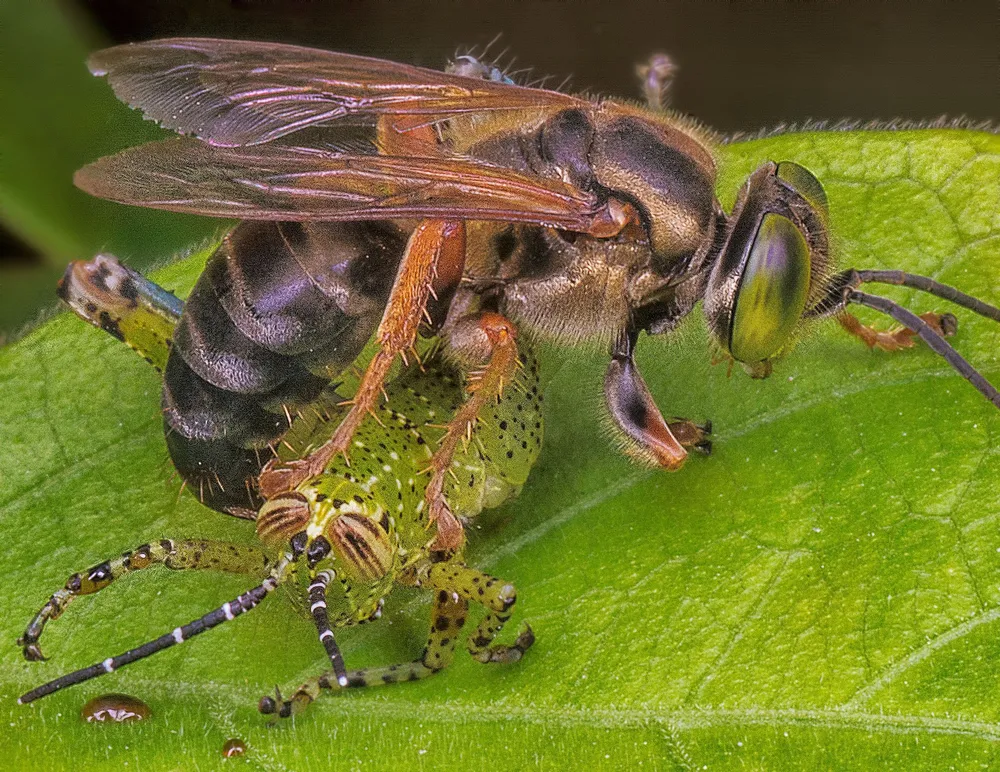
What if future biopesticides were inspired by the venoms of parasitic insects? A synthesis of recent research shows how these organisms manipulate their hosts through multifunctional proteins, offering new perspectives for biological crop protection. The study highlights complex mechanisms of immune inhibition and metabolic reprogramming, while emphasizing the challenges related to the functional identification of candidate proteins, essential for the development of effective biocontrol tools.
Source: Agropages, published under the title "Parasitoid insect venom proteins: Identification, functions,..." - 19 June 2026
Read more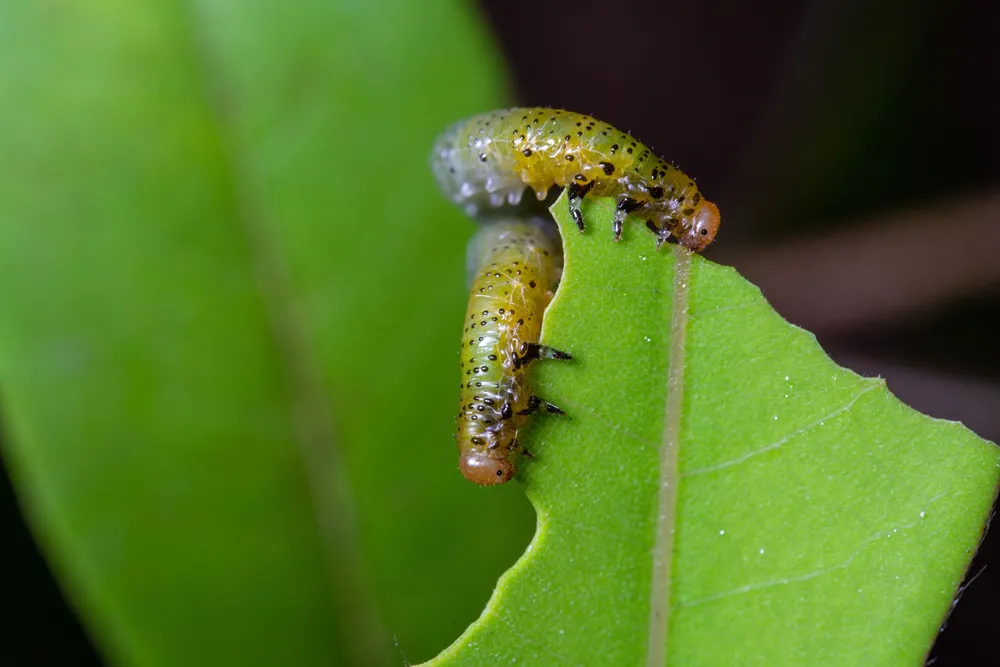
Source: Agropages, published under the title "OBP11-mediated sequestration reduces chlorpyrifos bioavailab..." - 18 June 2026
Read more
Le robot ATLAS de Syngenta révolutionne le développement de produits en automatisant les tests de compatibilité des mélanges, permettant des résultats plus rapides et fiables. En réduisant la variabilité des évaluations manuelles, ATLAS assure une meilleure confiance dans les décisions d'application des clients. Ce système joue également un rôle clé dans la résolution des problèmes de mélange en recréant des conditions spécifiques, renforçant ainsi l'engagement de Syngenta envers des solutions scientifiques et efficaces.
Source: Agropages, published under the title "Syngenta accelerates product innovation with new ATLAS robot" - 18 June 2026
Read more
A recent study highlights the importance of monitoring desert locusts to prevent food crises. The findings show that reduced surveillance, often due to conflicts, leads to an increase in swarms, severely impacting child health and the economy. The benefits of monitoring far outweigh the costs, with a cost-benefit ratio estimated between 160:1 and 680:1.
Source: Agropages, published under the title "Valuing disaster prevention: Desert locust monitoring and co..." - 18 June 2026
Read more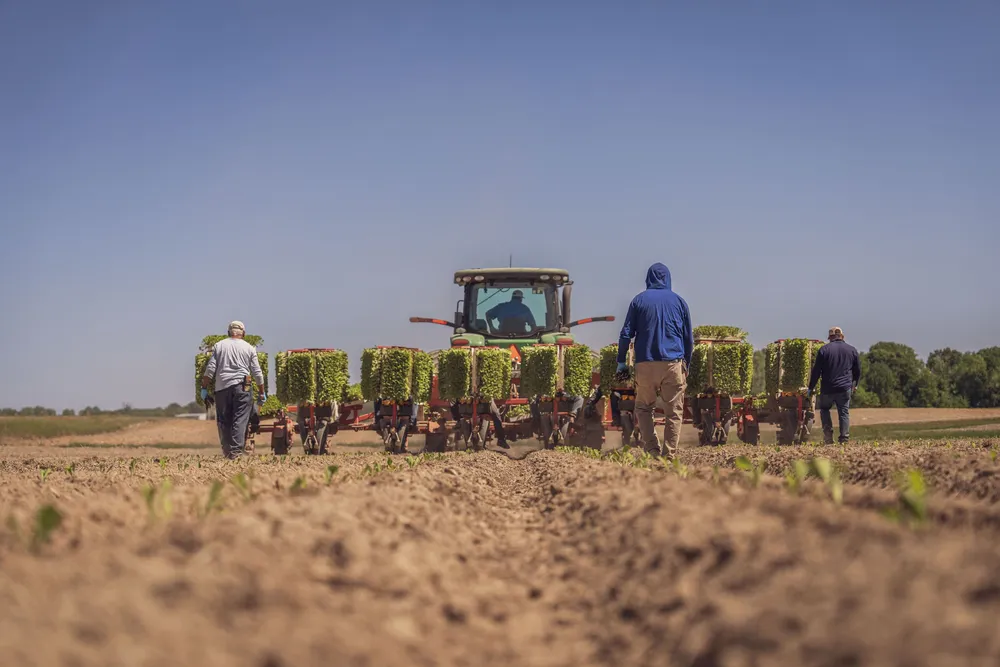
Canadian company Clean Seed Capital Group Ltd. has announced the receipt of a patent authorization notice for its innovative agricultural residue management system, thereby strengthening its portfolio of technologies. This technology aims to enhance residue management and the performance of seeding units in challenging field conditions.
Source: Agropages, published under the title "Clean Seed receives U.S. Patent Allowance for residue manage..." - 17 June 2026
Read more
The report "Fertilizer Innovation Unleashed" from the International Fertilizer Association's Innovation Hub highlights the growing innovation in the fertilizer and plant nutrition sector while urging leaders and investors to take action. By identifying five major barriers to innovation, the report offers recommendations to overcome these challenges and introduces a benchmark to assess companies' innovation performance.
Source: Agropages, published under the title "IFA Innovation Hub launches landmark report to accelerate fe..." - 17 June 2026
Read more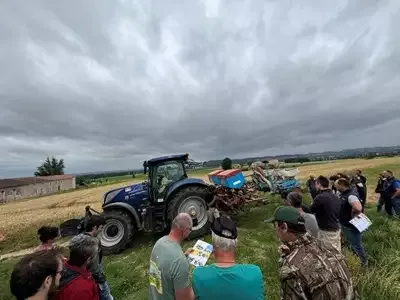
Publié par FrCUMA 33 et 47, Source: Pleinchamp, published under the title "Xanthium, datura, ambroisie : des solutions pour reprendre l..." - 17 June 2026
Read more
The agribusiness group, PAN Group, is intensifying its commitment to sustainable agriculture by targeting 100,000 hectares of low-emission rice by 2027. This project, part of an integrated value chain strategy, has already led to a reduction in CO₂ emissions and increased profits for farmers. The 'Vietnam Green Low-Emission Rice' certification further strengthens this strategy by providing exporters with a new asset to differentiate themselves in international markets.
Source: Agropages, published under the title "Vietnam’s rice transformation accelerates as PAN Group targe..." - 17 June 2026
Read more