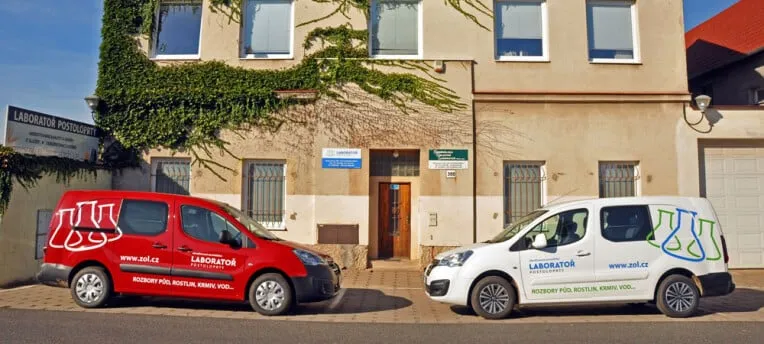
The acquisition of Laboratoř Postoloprty by Eurofins Agro Testing marks a strategic step to enhance its presence in the Czech Republic and Central Europe. This laboratory, with 35 years of experience, offers a variety of analytical services and innovative solutions in precision agriculture, such as drone mapping and the SKYZOL software. This synergy between local expertise and an international network aims to provide farmers with more comprehensive services while addressing sustainability and innovation challenges in the agricultural sector.
SEPEHR ACHARD, Source: Igronews, published under the title "Eurofins Agro Testing Acquires Czech Laboratory Laboratoř Po..." - 26 June 2026
Read more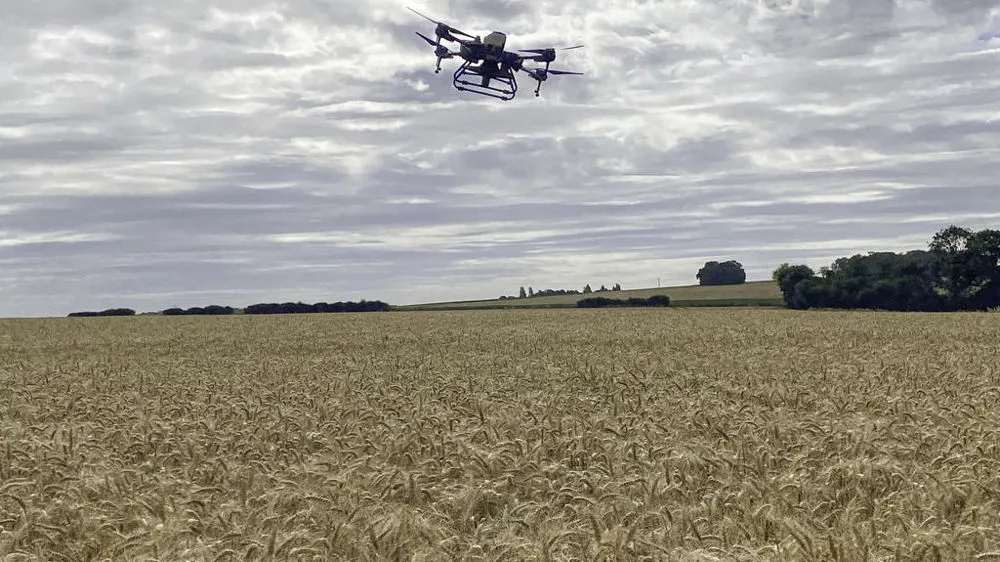
Jérôme Labreuche, ingénieur chez Arvalis, met en lumière les bénéfices du semis à la volée des couverts végétaux avant la moisson. Cette technique, qui utilise l'humidité résiduelle des cultures de céréales à paille, pourrait non seulement améliorer la santé des sols mais aussi favoriser la biodiversité. En intégrant cette méthode, les agriculteurs pourraient réduire l'érosion et optimiser la structure du sol, transformant ainsi les pratiques culturales vers une approche plus durable.
Source: La France Agricole, published under the title "Semer son couvert à la volée avant moisson a des avantages" - 26 June 2026
Read moreLe jugement de la Cour Suprême des États-Unis en faveur de Monsanto dans l'affaire Roundup™ est un tournant majeur qui pourrait réduire les litiges liés aux avertissements sur les produits phytosanitaires. Cette décision apporte une clarté réglementaire essentielle pour les producteurs d'intrants agricoles, les agriculteurs et les consommateurs, tout en renforçant la sécurité alimentaire et l'accessibilité des produits sur le marché américain.
Source: Bayer, published under the title "Monsanto wins landmark Roundup™ case at U.S. Supreme Court" - 26 June 2026
Read more
Le marché brésilien des biofertilisants se développe rapidement, avec 33 produits enregistrés par le MAPA entre 2019 et 2026. Cette tendance, marquée par une forte participation d'entreprises variées, témoigne d'un intérêt croissant pour les technologies de nutrition biologique et les biostimulants, notamment ceux à base d'extraits d'algues, qui représentent une part croissante des enregistrements. Les analystes prévoient une poursuite de cette dynamique, soutenue par une reconnaissance réglementaire accrue.
Source: Agropages, published under the title "Biofertilizer registrations gain momentum in Brazil" - 26 June 2026
Read more
Sofiprotéol, co-financer of the Phosmet Exit Plan, announces a call for projects focused on biocontrol to support innovation in the protection of oilseed crops. With a budget of €300,000, this call targets crops such as rapeseed and soybeans, which are exposed to various bio-aggressors. Projects must be mature and concrete, eligible for funding up to €150,000, and submitted before September 2026.
Source: La Ferme Digitale, published under the title "Biocontrôle : Sofiprotéol lance un nouvel appel à projets dé..." - 25 June 2026
Read more
Koppert, leader néerlandais des solutions biologiques, initie un projet de recherche au Brésil pour développer un bioherbicide innovant. Ce projet vise à répondre à un besoin croissant de solutions alternatives aux herbicides chimiques, en ciblant des mauvaises herbes problématiques comme le Conyza et le Digitaria. En collaboration avec des institutions académiques, Koppert explore des approches non sélectives et ciblées pour enrichir les programmes de gestion intégrée des mauvaises herbes, tout en préparant une expansion stratégique de ses opérations au Brésil.
Source: Agropages, published under the title "Koppert to produce first bioherbicide in Brazil" - 25 June 2026
Read more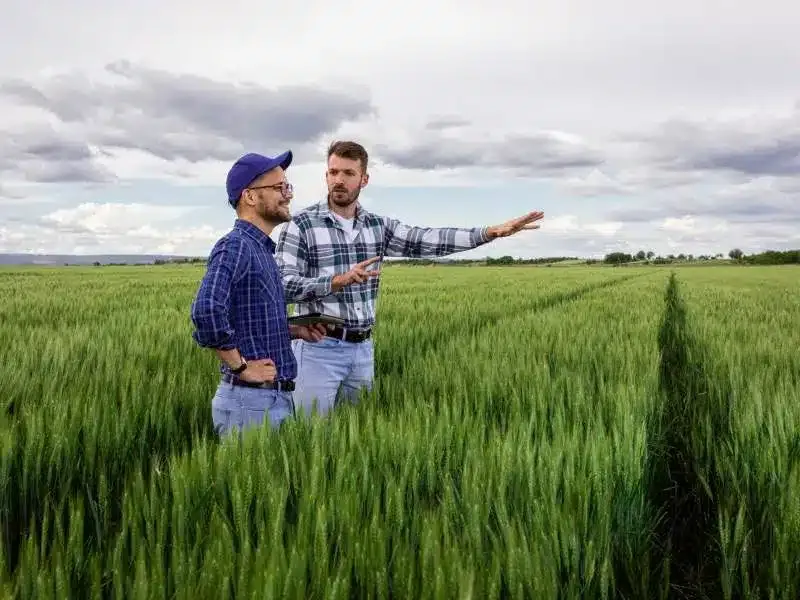
Roquette a introduit NEOSORB® AG, une gamme de polyols d'origine végétale, visant à répondre aux besoins des formulateurs en agronomie. Composée de deux grades, cette innovation promet d'améliorer la résilience des cultures face aux stress environnementaux, tout en offrant des solutions flexibles pour les fertilisants et les biostimulants. Cette initiative s'inscrit dans une tendance plus large vers des ingrédients multifonctionnels, essentiels pour l'agriculture durable.
SEPEHR ACHARD, Source: Igronews, published under the title "Roquette Launches NEOSORB® AG Polyol Range for Sustainable A..." - 25 June 2026
Read more
As rye ergot resurges and weed resistance grows, farmers face a critical crossroads. While some advocate for the return of controversial pesticides, others call for a shift towards agroecological practices. The situation is further complicated by the emergence of new resistances, threatening yields and food security.
Publié par Pleinchamp, Source: Pleinchamp, published under the title "Ergot de seigle, vulpin ou digitaire sanguine : champignons ..." - 25 June 2026
Read more
The agricultural distribution sector in Brazil is facing unprecedented pressure, with margins sharply declining and increased competition, particularly from Chinese suppliers. Distributors must rethink their role by shifting towards models based on integrated services and technical solutions, while exploring strategies such as bartering and vertical integration to ensure their survival and growth in a challenging economic environment.
Source: Agropages, published under the title "Brazil’s distribution model faces structural pressure as mar..." - 24 June 2026
Read more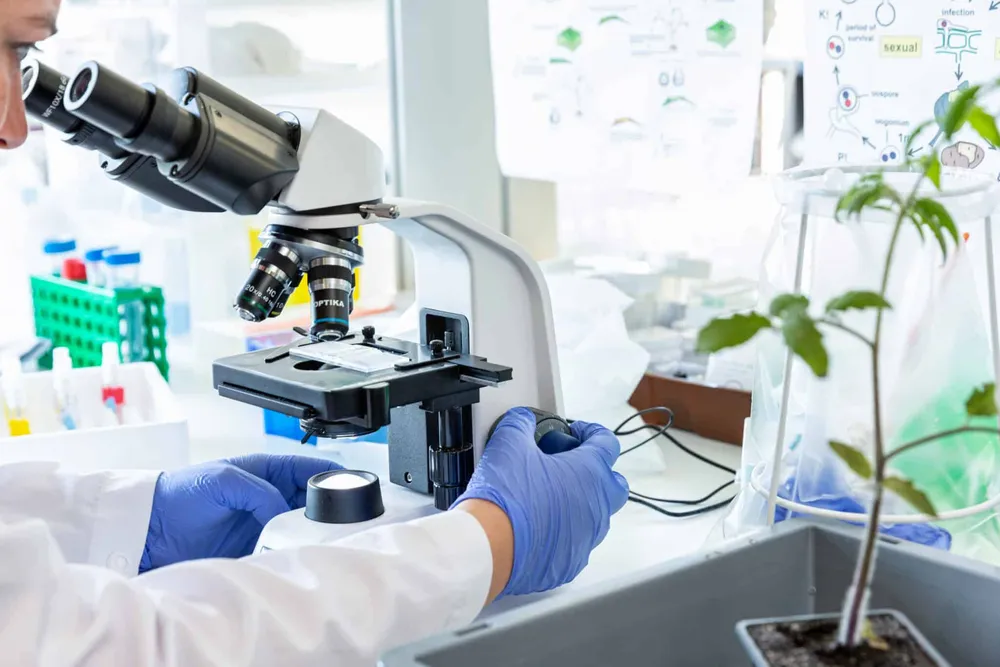
Micropep Technologies a franchi une étape clé en soumettant des dossiers réglementaires pour son biofongicide Promisin™ au Brésil et au Paraguay. Ce produit, basé sur une technologie de peptide antimicrobien, cible des maladies fongiques majeures du soja et a été soutenu par plus de 200 essais de terrain. Conçu pour répondre aux besoins économiques des cultures en rang, Promisin pourrait transformer le marché des biocontrôles en offrant une alternative efficace et durable face aux défis de résistance et de réglementation.
SEPEHR ACHARD, Source: Igronews, published under the title "Micropep Technologies Files for Regulatory Approval of Promi..." - 24 June 2026
Read more