
The EPA's approval of CarriCea T1, a modified citrus rootstock, marks a significant advancement in the fight against greening disease, which has devastated over 90% of citrus production in Florida over the past 20 years. By enabling trees to bolster their natural defenses, this innovation reduces reliance on chemical pesticides while supporting the sustainability of American agriculture.
Source: Agropages, published under the title "New citrus tool to help prevent widespread loss of citrus cr..." - 29 April 2026
Read more
Michael Dean, Source: Agfundernews, published under the title "A Brussels moat: Can European regulation work for founders?" - 29 April 2026
Read more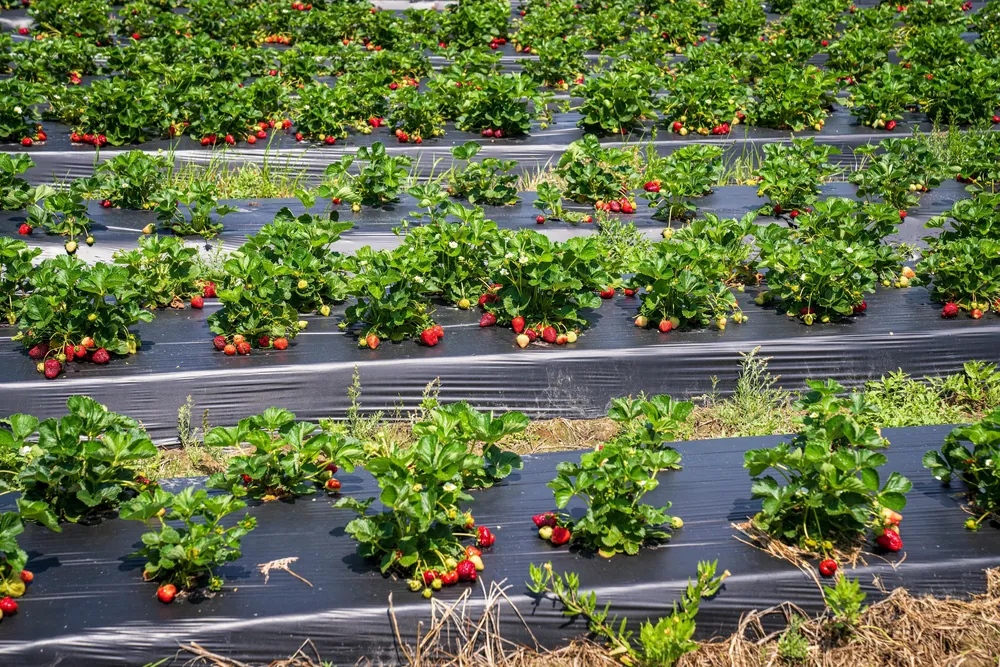
Biotalys, an AgTech company, announced that its biofungicide EVOCA™ has received state registration in Florida, marking a breakthrough for protein-based biocontrols. This approval, the first for an AGROBODY™ in the United States, highlights EVOCA's potential in combating major fungal diseases in fruit and vegetable crops. Similar regulatory developments are underway in California and Europe, with commercial launches expected in the coming years.
Source: Agropages, published under the title "Biotalys achieves first U.S. state registration for EVOCA in..." - 28 April 2026
Read more
The second edition of the conference on crop protection regulation, organized by the ECCA (European Crop Protection Association), will take place in Brussels in September 2026. This crucial event for the post-patent crop protection sector will address regulatory developments related to the EU's food safety simplification package. Discussions will focus on active substance assessments and the sector's role in agricultural competitiveness, bringing together decision-makers and key stakeholders to exchange on upcoming challenges and opportunities.
Source: Agropages, published under the title "Europe’s post-patent plant protection sector to assess EU re..." - 27 April 2026
Read more
Euroseeds expressed its satisfaction following the adoption by the Council of the European Union of the compromise text on New Genomic Techniques (NGTs). This decision marks a significant advancement in the legislative process, paving the way for greater innovation in plant breeding. Euroseeds looks forward to the final votes from the European Parliament, which are expected to conclude this crucial legislative procedure for competitiveness and food security in Europe.
Source: Agropages, published under the title "Euroseeds welcomes Council adoption of NGT trilogue agreemen..." - 22 April 2026
Read more
Laminarin, a polysaccharide derived from Laminaria japonica, is on the verge of being approved by the Institute for the Control of Agrochemical Products of the Ministry of Agriculture of China (ICAMA), marking a significant advancement in the use of biopesticides. This innovative product, submitted by Laboratoires Goëmar, activates the natural defense of plants against diseases such as Botrytis cinerea and Podosphaera xanthii, providing an ecological alternative to traditional fungicides.
Source: Agropages, published under the title "Breakthrough in biopesticides: Laminaria japonica Polysaccha..." - 22 April 2026
Read more
The Dutch regulator Ctgb is considering banning 46 PFAS-containing pesticides following research indicating their impact on groundwater. Potato producers, reliant on these products to combat blight, may face significant losses. The search for alternatives proves complex, as the final decision is expected by April 2028.
Source: Agropages, published under the title "Dutch regulator weighs ban on 46 PFAS pesticides over drinki..." - 22 April 2026
Read more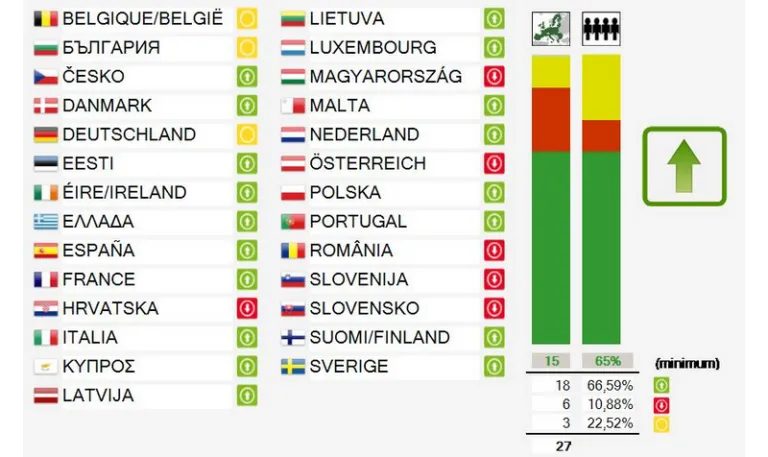
On April 21, 2026, the Council of the European Union adopted a favorable position on the deregulation of GMOs and NGTs, ending months of debate. This text, which still needs to pass through the European Parliament, could transform the landscape of agriculture and biotechnology in Europe by facilitating the use of new genetic modification techniques.
Source: Info Ogm, published under the title "Le Conseil de l’UE favorable à la déréglementation des OGM/N..." - 21 April 2026
Read more
During a meeting with mayors, Emmanuel Macron announced his intention to implement the "Notre-Dame method" to reduce administrative delays related to agricultural projects. This approach aims to simplify procedures and encourage the development of projects, whether large or small, in order to restore hope to farmers facing international competition. On April 22, a decentralized council of ministers in Allier will mark the launch of this initiative.
Publié par Pleinchamp, Source: Pleinchamp, published under the title "Pour accélérer les projets agricoles, Emmanuel Macron prône ..." - 17 April 2026
Read more
The Carbon Border Adjustment Mechanism (CBAM) imposes a tax on nitrogen fertilizers, leading to significant cost increases for grain farms. By 2034, fertilization expenses could rise by 25 to 40%, threatening farmers' competitiveness amid already high production costs. Farmers face a dilemma, having to choose between reducing their fertilization or suffering yield and quality losses.
Publié par Perspectives Agricoles, Source: Pleinchamp, published under the title "Charges opérationnelles : MACF, des surcoûts « conséquents »" - 30 March 2026
Read more