Lithuanian climate finance company InSoil has secured a €120 million loan to expand its support for agricultural SMEs adopting sustainable practices. This funding, one of the largest in Europe for sustainable agriculture, is backed by the European Investment Fund and aims to address the growing need for capital to modernize equipment and improve soil health. InSoil, which has already financed over 3,500 SMEs, is committed to reducing CO2 emissions through carbon credits while participating in a rapidly expanding investment cycle in the sector.
Source: Agropages, published under the title "With 3,500+ agricultural SMEs financed, Estonia’s InSoil lan..." - 3 July 2026
Read more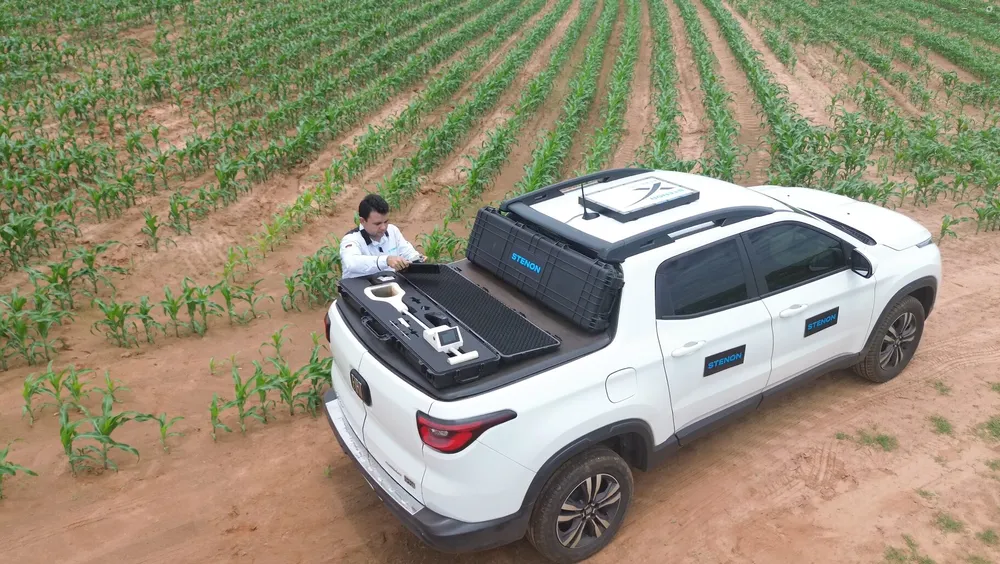
Jennifer Marston, Source: Agfundernews, published under the title "Stenon bags $20.5m to combat fertilizer price hikes with bet..." - 3 July 2026
Read more
Norwegian company Yara International ASA has announced the acquisition of the Gulf Coast Ammonia plant in Texas for $1.3 billion, as part of its energy diversification strategy and competitiveness enhancement. With a capacity of 1.3 million tons per year, the plant is expected to achieve stable production by the end of 2026, thereby strengthening ammonia supply for its internal and external customers. This operation is part of a financial discipline framework aimed at maximizing shareholder value.
Source: Agropages, published under the title "Yara acquires Gulf Coast Ammonia plant in the U.S." - 3 July 2026
Read more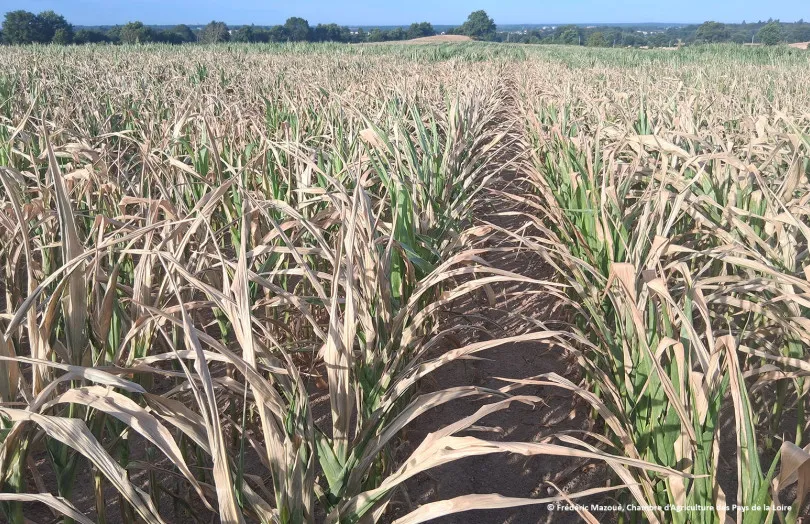
Since mid-May 2026, water shortages and heatwaves exceeding 36°C have hindered the flowering of unirrigated corn in the Grand Ouest. To guide farmers facing the drying of their fields, ARVALIS identifies three key thresholds of water stress (simple gray curling, loss of 30% of leaves, or agony with fewer than two green leaves). A crucial diagnosis for each plot to urgently decide between waiting, direct grazing, or early silage.
Source: Arvalis, published under the title "Maïs desséchés en sols séchants : quelle décision prendre ?" - 3 July 2026
Read more
The Saudi sovereign fund SALIC reorganizes its strategic assets by integrating the Ukrainian producer Continental Farmers Group (CFG) into Olam Agri, in which it now holds an 81.81% stake. The stakes are high: leveraging CFG's agricultural production power in Eastern Europe (over one million tons of grains per year) with Olam Agri's global logistics and trading strength.
Source: Agropages, published under the title "Olam Agri integrates Continental Farmers Group from SALIC" - 3 July 2026
Read more
Vilmorin & Cie (Limagrain Group) has finalized the entry of IMAD, the Abu Dhabi sovereign fund, with a 35% stake in its subsidiary Limagrain Vegetable Seeds (LVS). This major financial alliance is accompanied by a strategic research agreement with Silal (IMAD's agritech branch) to develop vegetable seeds suited for arid and desert conditions. With a projected revenue of €839 million for the 2024-2025 fiscal year, LVS is accelerating its international development while maintaining unchanged governance under the French cooperative.
SEPEHR ACHARD, Source: Igronews, published under the title "L’IMAD Completes 35% Investment in Limagrain Vegetable Seeds..." - 2 July 2026
Read more
InSoil, a European agricultural financing company, has secured a €120 million loan from Pollen Street Capital to support SMEs adopting sustainable farming practices. This funding, backed by the European Investment Fund, addresses a €62 billion need in the sector while enabling InSoil to expand its impact on soil health and the modernization of agricultural equipment.
SEPEHR ACHARD, Source: Igronews, published under the title "InSoil Secures €120M Credit Facility From Pollen Street Capi..." - 1 July 2026
Read more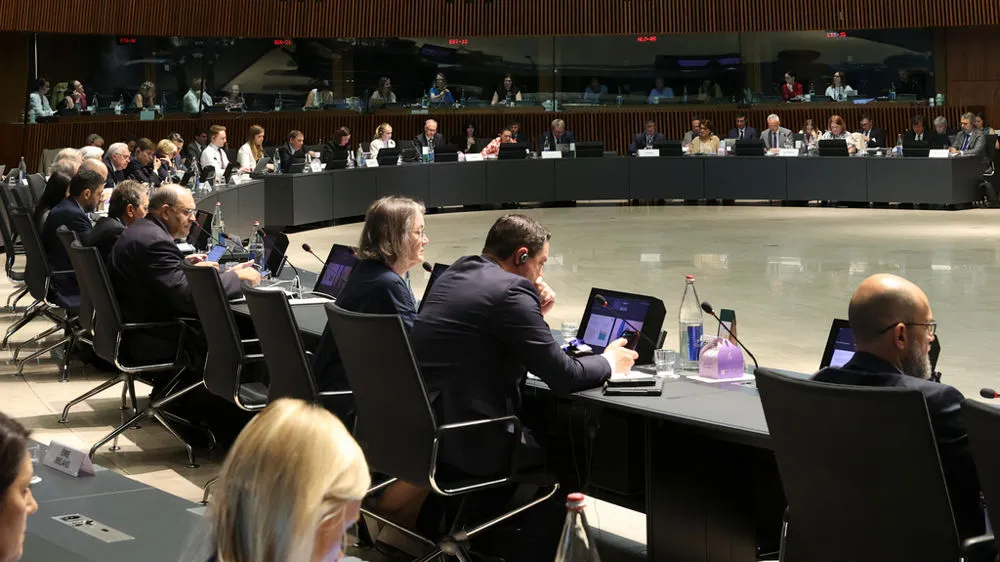
Source: La France Agricole, published under the title "Union européenne : le poids des agriculteurs renforcé dans l..." - 1 July 2026
Read more
Source: Agropages, published under the title "Amoéba has received marketing authorization in France for it..." - 1 July 2026
Read more
Elaine Watson, Source: Agfundernews, published under the title "Exclusive: Bayou Best Foods acquires BettaF!sh to build glob..." - 1 July 2026
Read more