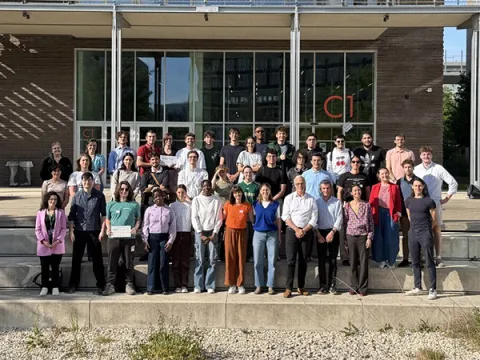
The Youth for Bioeconomy Hackathon, organized by AgroParisTech, brought together students and companies to develop innovative solutions to environmental challenges. Four projects were awarded, highlighting the importance of bioeconomy in agriculture, water, and biodiversity sectors, including TerraLoop for circular bioconversion and BioKube for water sanitation using biochar.
Source: Agroparistech, published under the title "24 heures pour innover au service du vivant" - 12 May 2026
Read more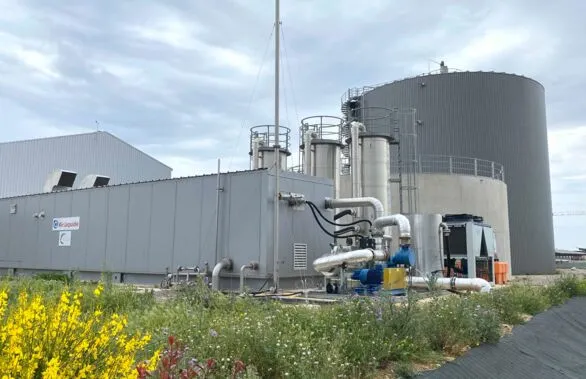
Starting in 2026, biogas production certificates (BPC) will become the main support mechanism for the sector, replacing the purchase obligation. This change aims to meet biomethane production targets, which have already exceeded forecasts, reaching 9.1 TWh in 2023. However, the high production costs lead to a significant financial commitment from the State of 17 billion euros for 2019-2028, with the additional costs being passed on to consumers.
Publié par Pleinchamp, Source: Pleinchamp, published under the title "Méthanisation : les certificats de production de biogaz bien..." - 12 May 2026
Read more
PepsiCo and Fertiberia announce a long-term collaboration to decarbonize potato and corn farming in Europe, utilizing green hydrogen-based fertilizers on 400,000 acres by 2030. The initiative aims for 50% low-carbon fertilizers in PepsiCo's European supply chain by 2030. Fertiberia will supply up to 150,000 tons of low-emission fertilizers, reducing emissions from potato and corn farming by up to 20%.
Source: Agropages, published under the title "PepsiCo and Fertiberia working to decarbonise potato and cor..." - 11 May 2026
Read more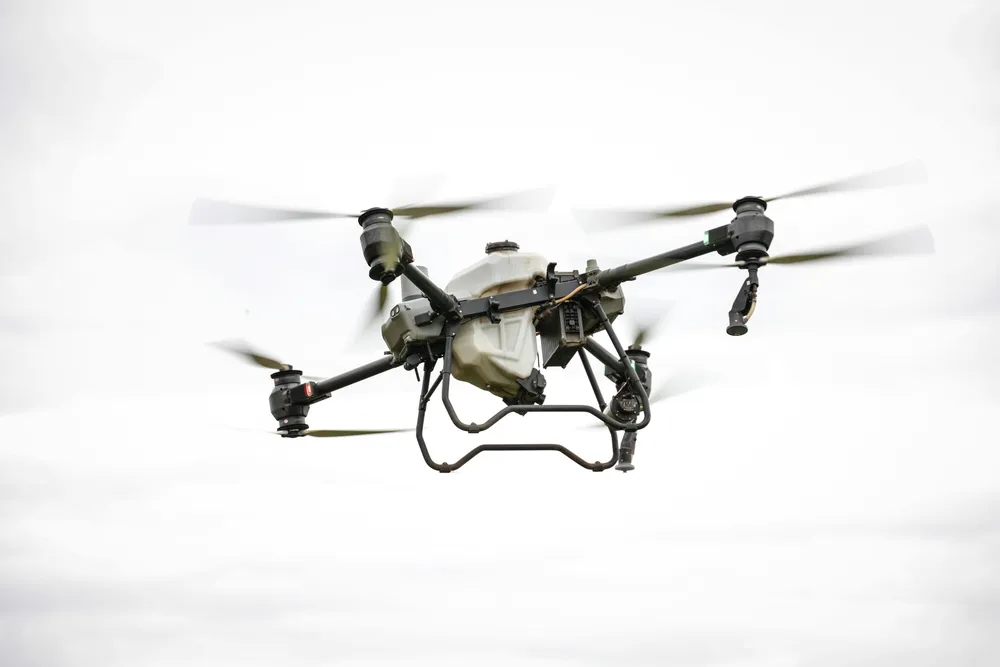
As the demand for sustainable agriculture rises, drones are emerging as essential tools for European farmers. However, current regulations hinder their adoption. An initiative from 15 member states calls for a modernization of guidelines to integrate these innovative technologies.
Source: Agropages, published under the title "Croplife Europe: Drones in the field bring new tools to the ..." - 11 May 2026
Read more
Canadian company SAF+IG announces the construction of a synthetic fuel production unit in Port-la-Nouvelle, aiming for commissioning in 2031. This €700 million project targets an annual production of 75,000 tonnes of synthetic fuels and the creation of 100 skilled direct jobs in the region.
Source: Usine Nouvelle, published under the title "«Les délais sont serrés» pour une mise en service en 2031 : ..." - 7 May 2026
Read more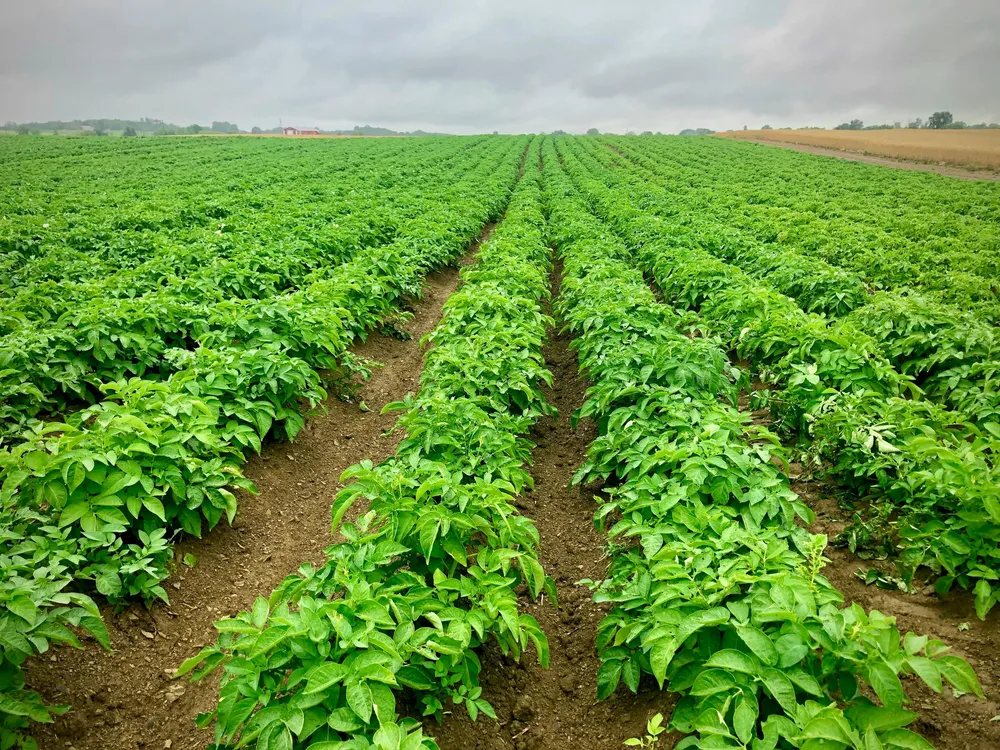
This marks a first in Europe. Belgian authorities have granted an emergency use authorization for Calantha®, an innovative RNA-based insecticide aimed at combating the potato beetle during the 2026 growing season. Calantha® has been developed to meet environmental standards, with no detectable residues on crops. It is designed to be safe for bees and other non-target organisms, addressing growing environmental expectations.
Source: Agropages, published under the title "GreenLight Biosciences secures Belgian emergency use authori..." - 7 May 2026
Read more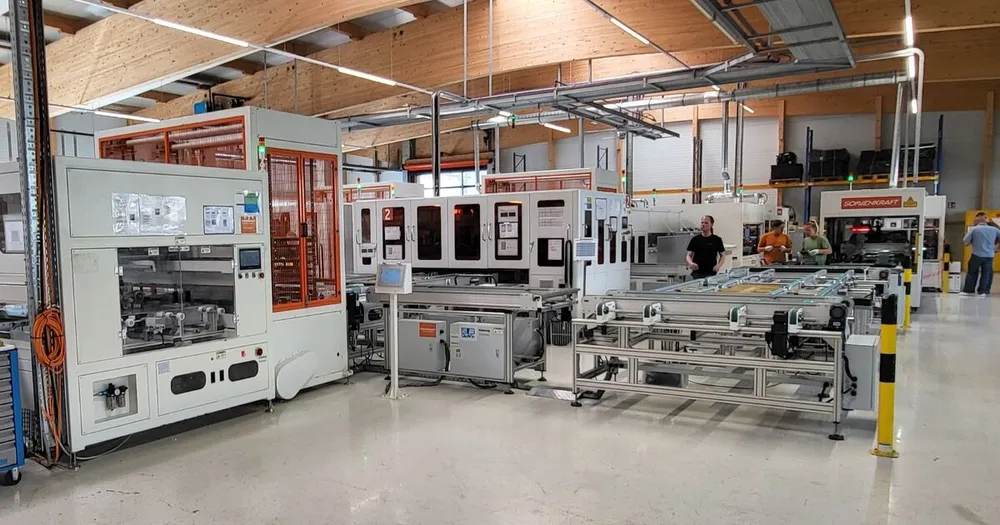
Source: Actu Environnement, published under the title "Solaire : le fabricant de panneaux Dualsun relocalise en Eur..." - 7 May 2026
Read more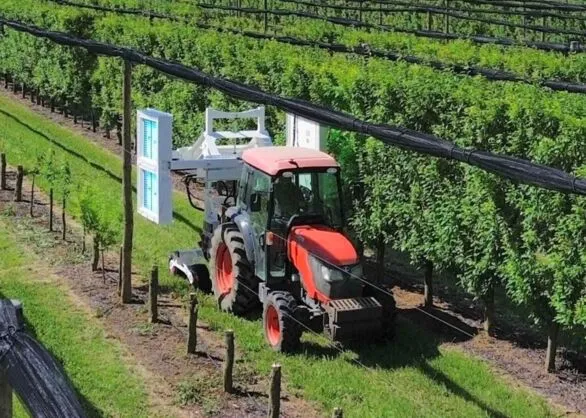
Kubota strengthens its commitment to agricultural sustainability by investing in UV Boosting, a French startup that uses UV-C flashes to enhance crops' natural defenses. This technology promises to reduce fungicide use by 25% to 75% and improve plant resistance to abiotic stress while increasing yields. It is being applied to various crops (grapes, peaches, and other fruits and vegetables) across several European countries.
Publié par Pleinchamp, Source: Pleinchamp, published under the title "UV Boosting, une « priorité stratégique et durable » pour Ku..." - 7 May 2026
Read more
Ongoing discussions in Brussels regarding maximum residue levels (MRLs), market access standards ensuring consumer exposure to pesticide residues remains within safe limits, could have significant implications for food safety, supply chains, and innovation. CropLife Europe calls for a rigorous impact assessment to ensure any legislative changes are evidence-based and consider overall economic and trade effects.
Source: Agropages, published under the title "CropLife Europe - What a full Impact Assessment on EU MRL po..." - 6 May 2026
Read more
Agroscope (Swiss competence center in agronomic and agri-food research) is conducting a trial on cisgenic blight-resistant potatoes, authorized by the Federal Office for the Environment. This project aims to develop varieties without foreign DNA, thereby reducing the need for plant protection products and improving resistance to extreme climatic conditions.
Source: Agropages, published under the title "Field trial with cisgenic potatoes: Sustainable disease resi..." - 6 May 2026
Read more