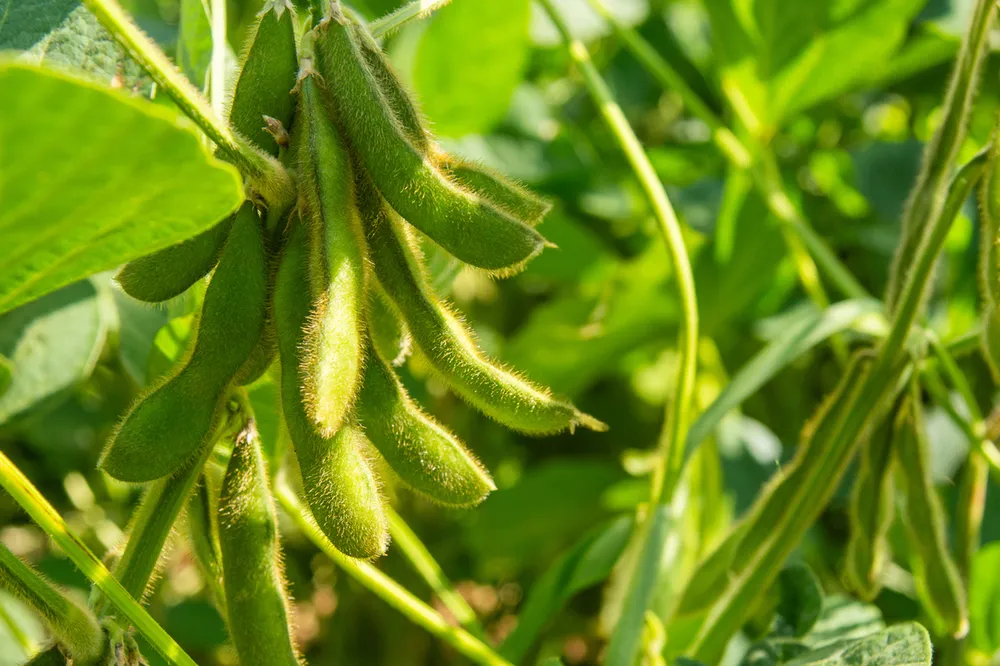
On March 10, 2026, the European Commission approved the import and processing of genetically modified soybean DBN9004, developed by Beijing Dabeinong Biotechnology Co., Ltd. This authorization, based on a positive assessment from EFSA, allows its use in the food and animal feed chain in Europe, while imposing strict traceability rules. DBN9004, which offers dual herbicide tolerance, has also received approvals in other major soybean importing regions.
Source: Agropages, published under the title "European Commission Authorizes Import and Processing of Dabe..." - 13 March 2026
Read more
Protealis, a European specialist in non-GMO legume seeds, announces the approval of its biological inoculant MagNfix™ and the registration of five new soybean varieties. These advancements aim to strengthen local soybean production in Europe, addressing the needs of farmers in cooler climatic regions. With improved yields and increased protein content, Protealis is poised for significant commercial expansion in the European soybean market.
Source: Agropages, published under the title "Protealis announces regulatory approval of its first biologi..." - 12 March 2026
Read more
American biotech company Living Models has announced a $7 million funding round to develop artificial intelligence models applied to plant genomics. With its BOTANIC platform, the company uses transformer-type models to analyze DNA sequences as a language. The goal is to accelerate the development of new plant varieties, a process that can currently take over a decade. The funds raised will enhance the startup's research capabilities and explore new AI applications in plant breeding.
SEPEHR ACHARD, Source: Igronews, published under the title "Living Models Exits Stealth with $7M Seed Round to Map the L..." - 12 March 2026
Read more
Israeli biotech IBI Ag Ltd. announces a proof of concept for an artificial intelligence platform capable of designing novel insecticidal proteins. By moving beyond natural molecules, this technology paves the way for a new generation of biocontrol that is more precise and potentially more sustainable.
Source: Agropages, published under the title "IBI Ag announces successful development of AI-driven de novo..." - 11 March 2026
Read more
A study by researchers from the University of Nebraska published in Nature Communications suggests that yield gains attributed to variety selection may be largely overestimated. By analyzing 849 wheat varieties across several countries, the researchers demonstrate that a significant portion of the observed progress is actually due to maintenance selection aimed at sustaining performance against diseases and climate, rather than increasing yield potential.
Source: Agropages, published under the title "Global study reports crop yield gains from breeding may be o..." - 11 March 2026
Read more
A sequencing program of 1,001 traditional rice varieties, led by the Philippine Rice Research Institute and the University of the Philippines Los Baños, highlights early maturity traits and flood tolerance. These genetic resources could support the selection of more resilient and nutritious varieties in the face of climate challenges.
Source: Agropages, published under the title "Genomics study finds early maturing traits in PH heirloom ri..." - 11 March 2026
Read more
Cytotrait, a spin-off from the University of Manchester, has secured $4.03 million in funding to develop its MOSS technology, which enables targeted genetic modifications in chloroplasts and mitochondria. This innovative approach aims to enhance the yield and resilience of key crops while addressing food security and sustainability challenges. New research will focus on crops such as wheat, corn, potatoes, and rapeseed, offering practical benefits for commercial agriculture.
SEPEHR ACHARD, Source: Igronews, published under the title "Cytotrait Secures $4M to Advance MOSS Crop Technology" - 10 March 2026
Read more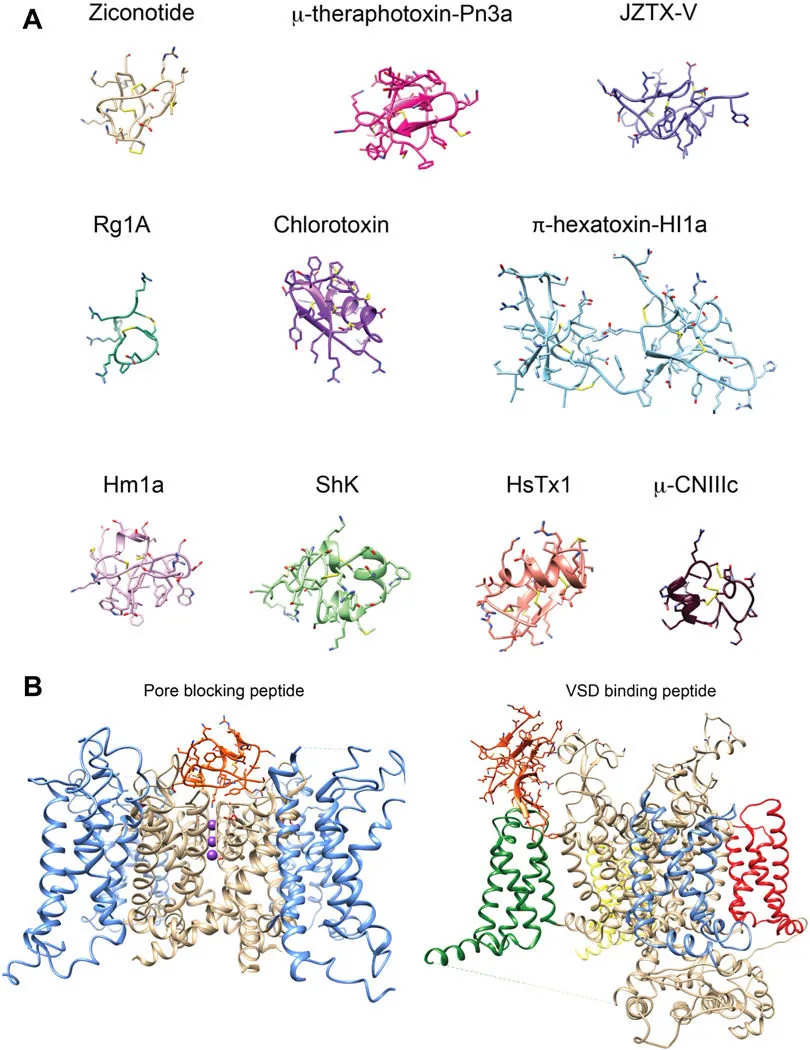
A study shows that peptide toxins targeting insect sodium channels can serve as a basis for new biopesticides. Researchers have resolved the structure of the NavPaS channel bound to two insect-selective toxins, Av3 and LqhαIT, using cryo-EM. With AI-assisted protein design tools, the insecticidal efficacy of LqhαIT has been doubled, paving the way for more targeted and potentially safer pest control agents.
Source: Agropages, published under the title "Structural insights into insect-selective sodium channel tox..." - 9 March 2026
Read more
The French startup Amatera has raised 6 million euros to accelerate the development of more climate-resilient crops. Its platform combines plant cell biology, robotics, and AI to quickly identify high-performing plant traits. The company initially targets crops like coffee and grapes, whose particularly long selection cycles pose a major challenge in the face of climate change.
Source: Agropages, published under the title "Amatera raises €6M to speed up the development of climate re..." - 6 March 2026
Read more
Israeli biotech company Evogene has refocused its strategy around its ChemPass AI™ platform, dedicated to the design of small molecules for agriculture and pharmacy. Developed in collaboration with Google Cloud, the technology reportedly achieves 90% accuracy in molecular design. This repositioning comes amid a restructuring context: revenues fell to $3.9 million in 2025 (down from $5.6 million in 2024) and the company recorded a net loss of $7.8 million, while significantly reducing its operations and expenses.
Source: Agropages, published under the title "Evogene sharpens agricultural focus in 2025 results, highlig..." - 6 March 2026
Read more