

AI-assisted international press reviewPress review

Launch of a Genomic Selection Project for Peas in Canada
Protein Industries Canada, a Canadian organization supporting innovation in plant proteins, has launched a two-year project aimed at creating a national database on peas to assist breeders. Artificial intelligence will be employed to integrate various data sources and accelerate the development of new varieties, as part of a $1.8 million investment.
SEPEHR ACHARD, Source: Igronews, published under the title "Protein Industries Canada Launches National Pea Genomic Sele..." - 9 July 2026
Read more
American investment firm Paine Schwartz invests in Bloom fresh to accelerate varietal innovation in fruits
American investment firm Paine Schwartz Partners, a leader in sustainable private equity, has completed a minority investment in the Spanish company Amfresh Group and its subsidiary Bloom fresh. This operation, which is part of a long-standing relationship, aims to support innovation in agricultural genetics, with Bloom developing over 100 fruit varieties for thousands of producers worldwide.
Source: Agropages, published under the title "Paine Schwartz Partners completes structured minority invest..." - 9 July 2026
Read more
2026 Agricultural Formulation and Application Technologies Congress: Agrochemical Formulators Invited to Showcase Innovations
The 7th Congress on Agricultural Formulation and Application Technologies (FAT 2026) will take place in Hangzhou, China, on October 29-30, 2026. This event, attracting companies from around the globe, focuses on innovations in agrochemical formulations in response to technological and regulatory developments. Speakers are invited to submit abstracts on various topics, ranging from new technologies to adjuvant strategies, as well as biological and complex formulations, to share their latest advancements and strengthen international collaborations.
Source: Agropages, published under the title "Call for Papers: FAT 2026 — 7th Ag Formulation & Application..." - 9 July 2026
Read more
Dutch Rijk Zwaan Expands Melon and Watermelon Offerings with New Resilient Varieties
At its global event, Dutch company Rijk Zwaan showcased innovative solutions for melons and watermelons, aimed at enhancing crop security and improving product quality. The new varieties, such as Galuna™, resistant to powdery mildew, and concepts like Candy Ball™, reflect a commitment to diversification and optimizing consumer experience.
Source: Agropages, published under the title "Highlights from Rijk Zwaan's Global Melon & Watermelon Event..." - 9 July 2026
Read more
Dairy Proteins Without Farming: Turtletree Takes a New Step Towards Industrial Lactoferrin Production
Turtletree, a Singaporean biotech startup, partners with Danish company Novonesis to optimize the precise fermentation production of lactoferrin, a multifunctional protein. This collaboration aims to reduce production costs and enhance access to this protein in early nutrition and health supplements.
Jennifer Marston, Source: Agfundernews, published under the title "TurtleTree, Novonesis strike partnership to scale up precisi..." - 8 July 2026
Read more
Dutch Start-up Raises 5 Million Euros to Transform Wild Plants into New Crops
Aardaia, a Dutch start-up specializing in the transformation of wild plants into agricultural crops, has recently raised 5 million euros to support the domestication of the aardaker, a European legume that fixes nitrogen and produces a protein-rich tuber. This funding, led by Point Nine and supported by several investors, will enable the company to develop other plant species.
SEPEHR ACHARD, Source: Igronews, published under the title "Aardaia Raises €5 Million to Develop New Crops From Wild Pla..." - 8 July 2026
Read more
RNAi, Peptides, Pheromones, and Biological AI: Key Trends in Biocontrol for 2026
Recent advancements in biopesticides and biostimulants reveal a rapidly evolving market dynamic, featuring major innovations such as the first co-formulation approved in China for insect control, alongside product launches by companies like Futureco and Yara aimed at enhancing crop resilience and nutrient management. Notable advancements in biopesticides include the validation of RNAi technology against nematodes.
Source: Agropages, published under the title "Global Biologicals Roundup: Innovation, Approvals, and Marke..." - 7 July 2026
Read moreUntitled
Reducing acrylamide formation during cooking by 59% without yield loss: this is the achievement of a new wheat variety developed by CRISPR, which has just received official "biological precision" status in the UK. Developed under the PROBITY project, this groundbreaking innovation provides a direct response to future European standards on this carcinogenic contaminant, paving the way for real-world trials among grain producers and processors.
Source: Agropages, published under the title "United Kingdom - Low-asparagine, low acrylamide wheat receiv..." - 6 July 2026
Read more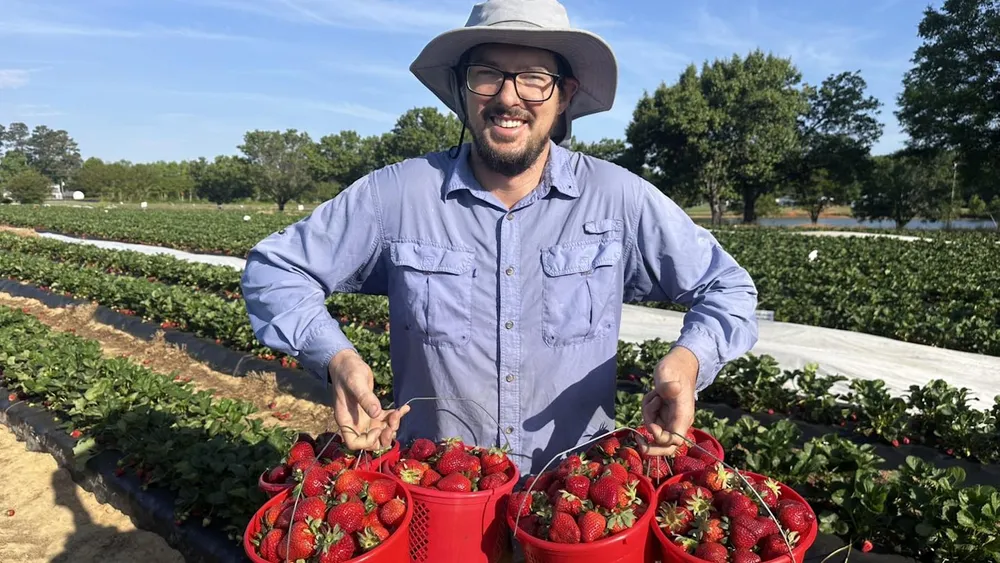
Strawberry: AI Detects Fungi Before Symptoms Appear, Enabling Early Crop Protection
Researchers at the University of North Carolina have developed an AI-powered early detection system for the Neo-P pathogen, which threatens the strawberry industry in the state. This innovative system allows for rapid, non-destructive identification of infections before visible symptoms appear, providing a solution for producers facing significant financial losses. The study also emphasizes the need for an integrated management approach to combat this growing threat.
SEPEHR ACHARD, Source: Igronews, published under the title "NC State Researchers Develop AI-Powered Early Detection for ..." - 2 July 2026
Read more
IMAD Acquires 35% Stake in Limagrain Vegetable Seeds, Global Seed Leader
Vilmorin & Cie (Limagrain Group) has finalized the entry of IMAD, the Abu Dhabi sovereign fund, with a 35% stake in its subsidiary Limagrain Vegetable Seeds (LVS). This major financial alliance is accompanied by a strategic research agreement with Silal (IMAD's agritech branch) to develop vegetable seeds suited for arid and desert conditions. With a projected revenue of €839 million for the 2024-2025 fiscal year, LVS is accelerating its international development while maintaining unchanged governance under the French cooperative.
SEPEHR ACHARD, Source: Igronews, published under the title "L’IMAD Completes 35% Investment in Limagrain Vegetable Seeds..." - 2 July 2026
Read more
Seed Treatment: Non-Thermal Plasma, A Residue-Free Technology to Enhance Crop Vigor
Non-thermal plasma seed treatment, an innovative technology developed by the American startup Sylvarum, uses electric discharges to enhance germination and control pathogens. With promising results from several pilot programs, this approach could transform agricultural practices for large-scale crops. Despite challenges related to technology acceptance, advancements made pave the way for large-scale commercialization.
Elaine Watson, Source: Agfundernews, published under the title "🎥 Can non thermal plasma seed treatment move from lab curio..." - 2 July 2026
Read more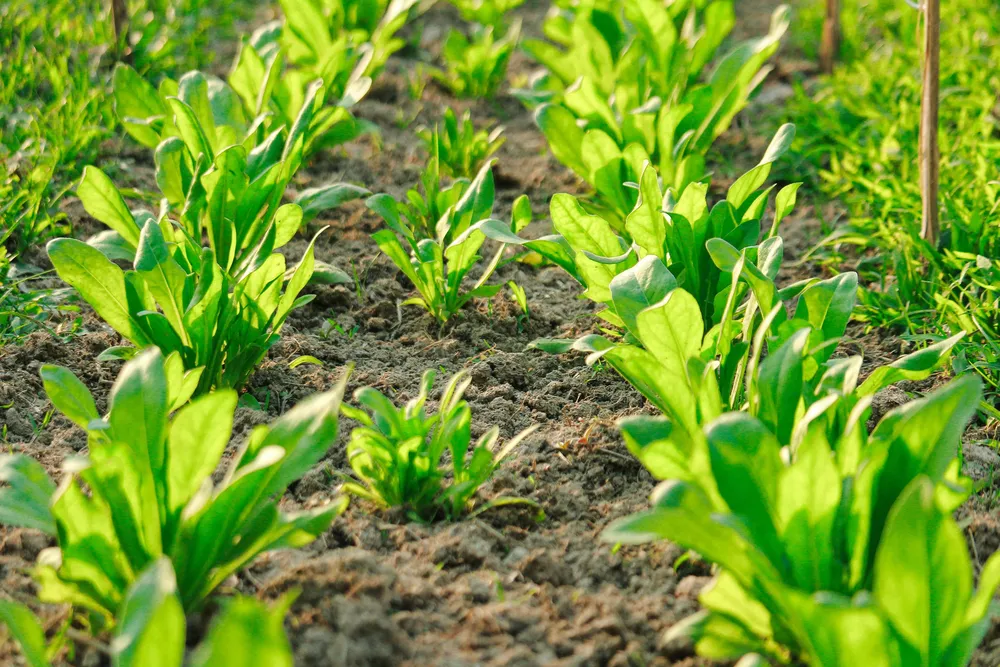
In Response to Evolving Agricultural Diseases, Seed Companies Accelerate Discovery of New Plant Resistance Traits
Resurrect Bio, a British biotechnology company, and Bejo, a Dutch leader in plant breeding, announce a development agreement to explore new disease resistance approaches in spinach, focusing on downy mildew, a major threat to global production. This collaboration aims to combine Bejo's crop improvement expertise with Resurrect Bio's targeted trait discovery method to identify resistance mechanisms for developing more resilient spinach varieties.
Source: Agropages, published under the title "Resurrect Bio and Bejo partner to advance spinach disease re..." - 1 July 2026
Read more
Brazilian Researchers Develop Green Synthesis of Silver Nanoparticles from Medicinal Plant
A Brazilian research team has developed a green synthesis method to produce silver nanoparticles from extracts of Lychnophora ericoides, replacing toxic chemical reagents with plant-derived compounds while preserving the functional properties of the nanoparticles. This advancement in sustainable nanotechnology could transform practices in health, environmental sectors, and potentially agriculture.
Source: Agropages, published under the title "Brazilian researchers develop green synthesis of silver nano..." - 1 July 2026
Read more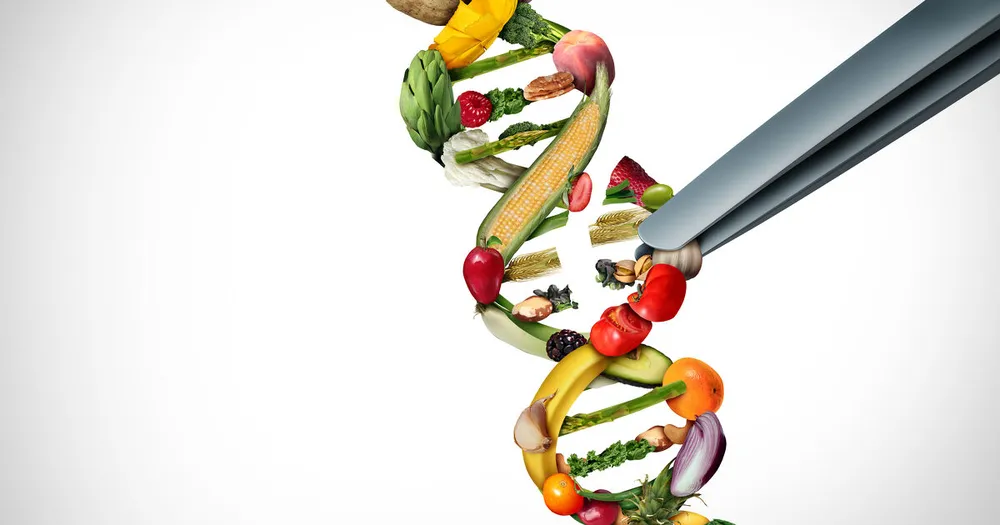
New GMOs: New Regulations Will Come into Effect in 2028
The European regulation on new genomic techniques (NGTs) has been published. It sets the criteria for determining whether a plant produced from NGTs is considered a GMO. This regulatory evolution, which will take effect in 2028, could transform the landscape of innovation in agritech by influencing production practices and strategies of companies in the agri-food sector.
Source: Actu Environnement, published under the title "Nouveaux OGM : de nouvelles règles s'appliqueront en 2028" - 30 June 2026
Read more
The Protein Brewery Secures €18 Million to Accelerate Mycoprotein Deployment Despite Regulatory Setback in the U.S.
The Protein Brewery, a Dutch company specializing in mycoprotein production, has recently secured €18 million in funding to increase its production capacity. Despite a setback with the FDA regarding its GRAS (Generally Recognized as Safe) status, the company remains confident and plans to address the reported deficiencies. With a focus on active nutrition and upcoming clinical studies, it aims to introduce its products to the U.S. market by the end of 2026.
Elaine Watson, Source: Agfundernews, published under the title "The Protein Brewery says FDA GRAS setback won’t derail US pl..." - 30 June 2026
Read more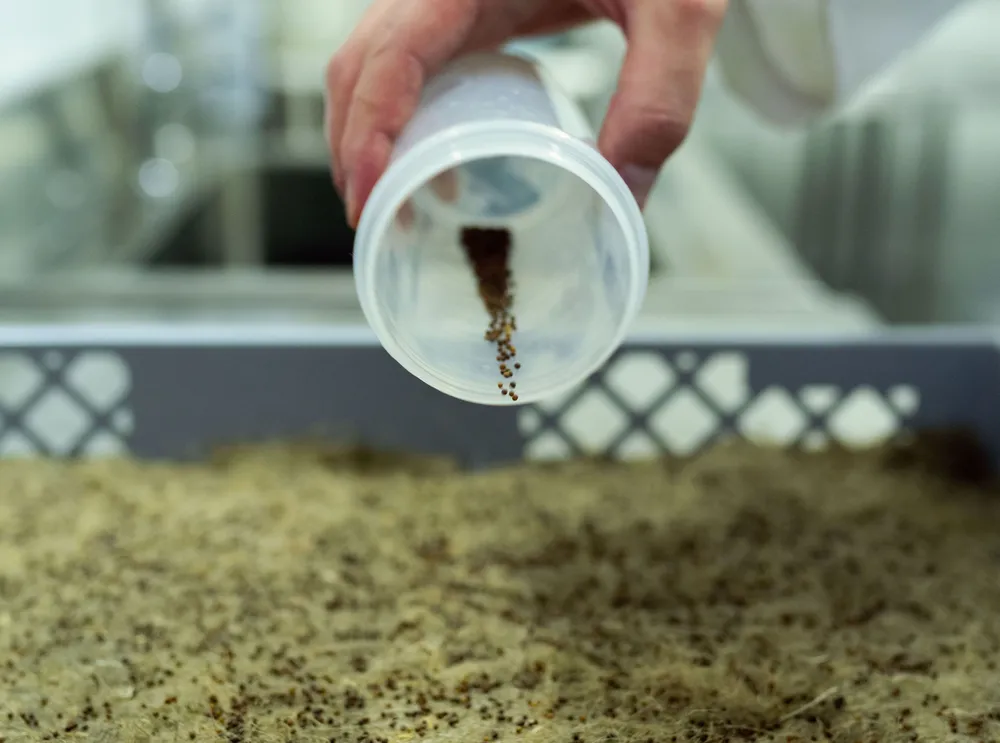
American Company Corteva Unveils Board of Directors for Vylor, Its Future Advanced Seed Firm
Corteva Inc. has announced the formation of the board of directors for Vylor Inc., a company focused on seed innovation and genetics. Independent chair Karen Grimes will lead a team of experts from various sectors to drive Vylor's growth. Set to launch in 2026, the company will emphasize genomic editing and the expansion of its licensing business.
Source: Agropages, published under the title "Corteva announces board of directors for advanced seed and g..." - 30 June 2026
Read more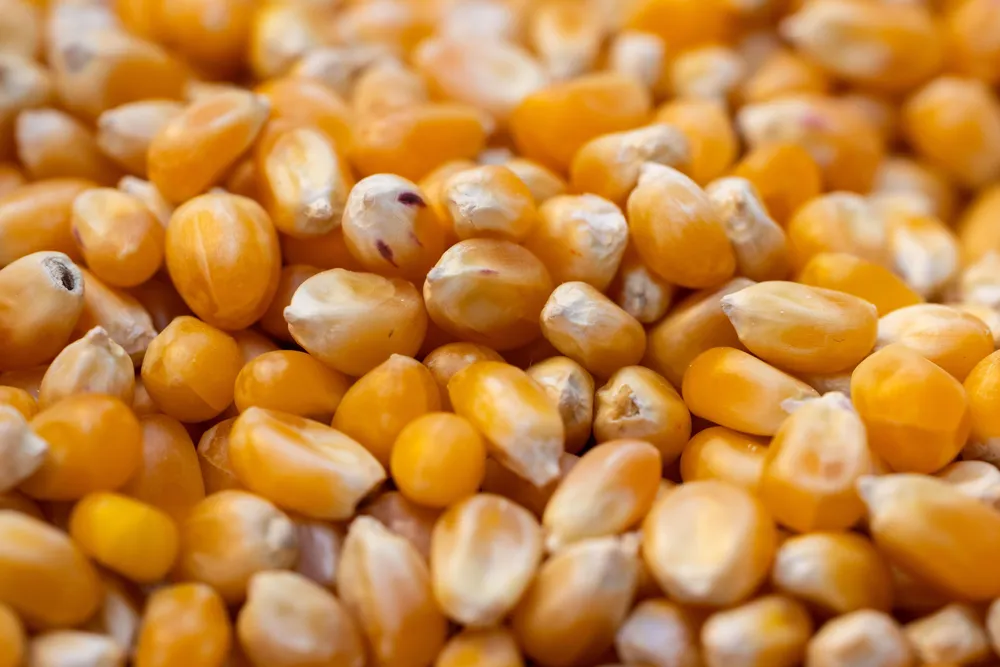
Seeds: Two French Companies Develop a New Generation of Biostimulation from Sowing
After five years of joint research, French companies Lidea and Agronutrition unveil innovative seed treatment solutions for corn and cereals. The technology is based on active ingredients from biofertilizers and biostimulants, optimizing plant nutrition and nitrogen use efficiency.
Source: Agropages, published under the title "Lidea and Agronutrition by DSG combine their expertise in se..." - 30 June 2026
Read more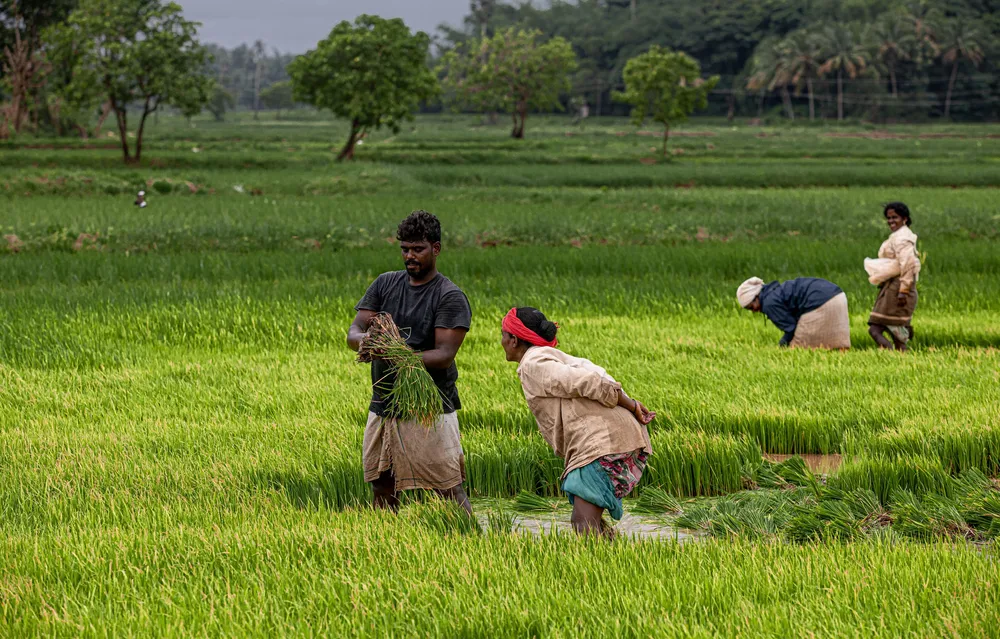
India: Two Agri-Startups Bet on Bio-Inputs to Accelerate Agricultural Transition for 6.5 Million Small Farmers
Indian startup INERA Crop Science and Bangladeshi CropNXT Solutions announce a multi-year strategic partnership to distribute biological inputs to small farmers across five states in Eastern India. This project aims to reach approximately 6.5 million farmers through a network of over 5,000 retailers. INERA will provide soil microbe-derived products, while CropNXT will manage distribution.
Source: Agropages, published under the title "India - Startups INERA, CropNXT in pact to bring biological ..." - 30 June 2026
Read more
Des scientifiques ciblent les nématodes à kystes de soja en coupant leur approvisionnement alimentaire
Face aux pertes de rendement causées par les nématodes à kystes de soja, des chercheurs explorent de nouvelles stratégies de lutte en ciblant les protéines effectrices qui permettent aux parasites de se nourrir et de se reproduire. Ce projet pourrait mener à des variétés de soja génétiquement modifiées pour résister à ces parasites, tout en préservant la santé et le rendement des cultures.
Source: Agropages, published under the title "Scientists target soybean cyst nematode by cutting off its f..." - 30 June 2026
Read more
Biostimulants: A Market Driven by Continuous Innovation and Targeted Applications
The biostimulant market continues to grow with a well-established offering that covers a wide diversity of modes of action and target crops. The innovation dynamic remains strong, with new solutions introduced each year to enhance existing ranges aimed at improving crop tolerance to abiotic stress and optimizing their quality and yield.
Source: Agro Matin, published under the title "Enquête exclusive : l’offre des fournisseurs de biostimulant..." - 30 June 2026
Read more