

AI-assisted international press reviewPress review
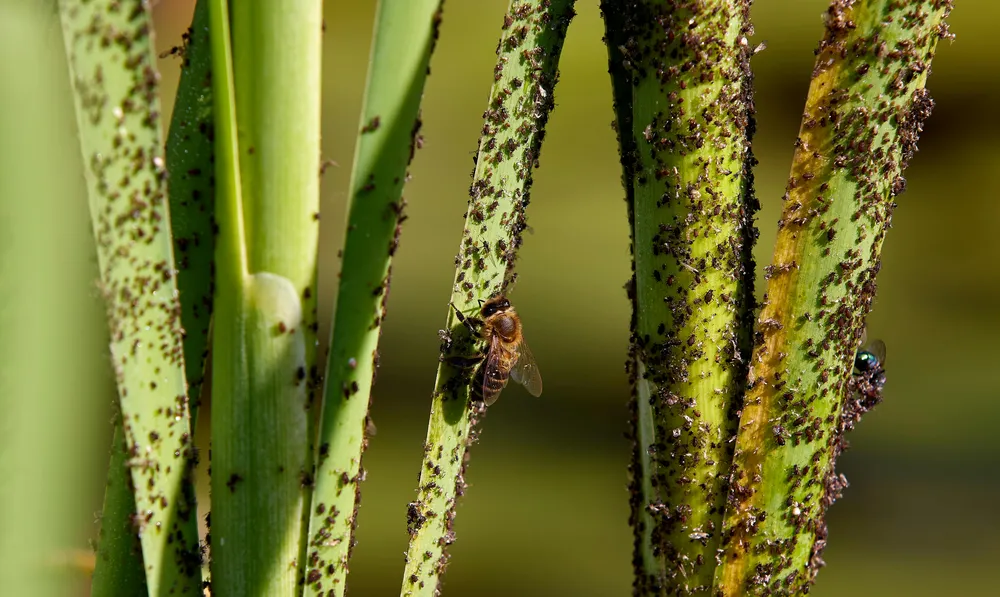
Biopesticides, Microbes, and Nano-Fertilizers: A Selection of High-Potential Startups
SEPEHR ACHARD, Source: Igronews, published under the title "H.A.R.V.E.S.T. AgTech Announces Inaugural Seven-Startup Coho..." - 4 May 2026
Read more
Eight Nordic Institutions Unite to Industrialize Plant Phenotyping
In response to climate change, Nordic countries are accelerating agronomic data initiatives with NordPheno, a project led by the University of Helsinki and funded by NordForsk. Bringing together eight research institutions, it aims to establish a digital plant phenotyping infrastructure that combines AI, IoT, and interdisciplinary training. The goal is to expedite varietal selection and enhance crop resilience while training over 100 researchers in five years, aligning with the European Green Deal.
Source: Agropages, published under the title "NordPheno launches in University of Helsinki: Eight Nordic i..." - 4 May 2026
Read more
Syngenta Bets on Seedless Angello Peppers to Meet Plant Snack Demand
Syngenta's seedless Angello sweet peppers, valued for their taste and convenience, meet the growing consumer demand for healthy, ready-to-eat products, enabling farmers to position themselves in the rapidly expanding plant snack market. Through agronomic innovations, these seedless peppers offer increased disease resistance and better adaptation to climatic conditions, while allowing producers to maintain consistent yields.
Source: Agropages, published under the title "Syngenta Vegetable Seeds - Angello sweet, seedless peppers: ..." - 4 May 2026
Read more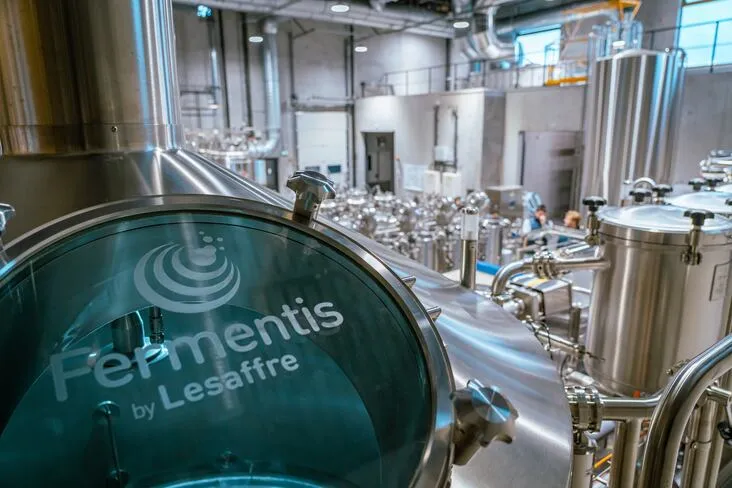
Non-Alcoholic Beers: Lesaffre Launches Dedicated Yeast to Meet Growing Demand
Source: Usine Nouvelle, published under the title "Face à l’accélération de la demande pour la bière sans alcoo..." - 3 May 2026
Read more
Agritech and Foodtech: Primogene, Opalia, and Earlybird Lead a Wave of Investments and Innovations
The latest news from the agritech sector reveals significant fundraising, strategic acquisitions, and government initiatives to support innovation. Primogene and Opalia stand out with their innovative projects in biomolecules and cell-based dairy products. Meanwhile, Earlybird announces the closing of its largest fund at 360 million euros, strengthening the startup ecosystem in AI and deeptech. The passage of the U.S. farm bill also raises crucial issues for the sector.
Jennifer Marston, Source: Agfundernews, published under the title "AgriFood Signals: US farm bill passes, Halter goes off-grid,..." - 2 May 2026
Read more
Plant Proteins: Green Boy Invests in Fudi Protein and RuBisCO Valorization
Green Boy Group, a global supplier of plant-based food ingredients, has made an early investment in Fudi Protein, an innovative Dutch startup that extracts RuBisCO protein from alfalfa using a localized processing model, allowing the by-products to be returned to local farmers. This protein positions itself as a viable alternative to animal and dairy proteins, meeting the growing demand for high-quality proteins.
SEPEHR ACHARD, Source: Igronews, published under the title "Green Boy Group Leads Early-Stage Investment in Fudi Protein..." - 1 May 2026
Read more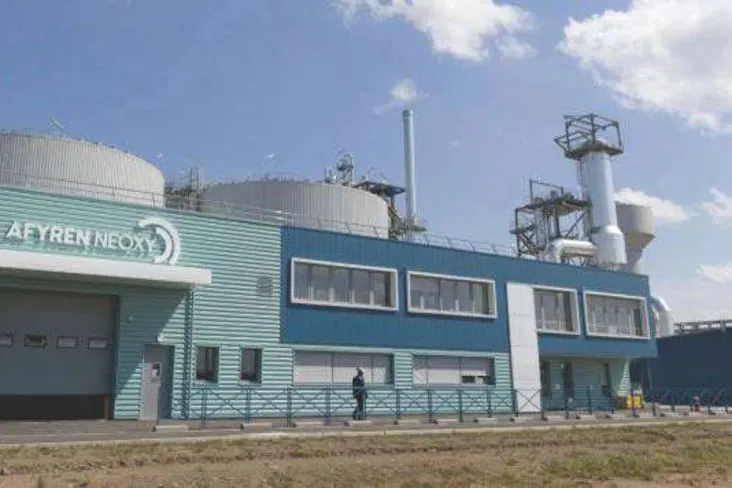
Afyren Secures 3 Million Euros for Its Bio-Based Refinery Afyren Neoxy
Source: Usine Nouvelle, published under the title "Afyren obtient trois millions d’euros de la région Grand Est..." - 1 May 2026
Read more
Biotalys Secures EPA Approval for EVOCA, Refocusing on Biofungicides
Biotalys reaches a key milestone with the EPA's approval of its biofungicide EVOCA, validating its AGROBODY™ technology platform. Concurrently, the Belgian company forms a strategic partnership with AgroFresh to strengthen its post-harvest positions and refocuses its efforts on advanced biofungicide programs. Despite losses in 2025, the company aims for an EVOCA NG launch in the U.S. by 2029, in a market estimated at over one billion dollars.
Source: Agropages, published under the title "Biotalys reports full-year 2025 financial results and busine..." - 1 May 2026
Read more
Syngenta Reports 2% Growth and Strengthens Focus on AI and Bioproducts
In the first quarter of 2026, Syngenta Group recorded a 2% increase in sales, reaching $6.4 billion. The company emphasizes innovation, particularly through next-generation trait technologies and AI-based agronomy solutions. Crop Protection sales performed particularly well in China and Europe, driven by strong demand for biological products.
Source: Agropages, published under the title "Syngenta Group reports $6.4 billion sales and $1.4 billion E..." - 1 May 2026
Read more
Biocontrol: Green Algal Oligosaccharides Pave New Path Against Crop Diseases
As global agriculture shifts towards more sustainable solutions, derivatives of green algal oligosaccharides emerge as an innovative response to reduce chemical use while maintaining disease control effectiveness. With dual action mechanisms, these molecules not only activate plants' natural defenses but also directly inhibit pathogens, as evidenced by their success in controlling tea anthracnose, citrus canker, and grape downy mildew.
Source: Agropages, published under the title "Moving Beyond Conventional Approaches to Crop Disease Contro..." - 1 May 2026
Read more
Biosolutions and Seeds: Syngenta Reports 2% Growth in Q1 2026
In the first quarter of 2026, Syngenta Group reported sales of $6.4 billion, reflecting a 2% increase compared to the previous year. The Crop Protection division achieved sales of $3.5 billion, driven by strong demand for biological products, while the Seeds division experienced significant growth, particularly in Latin America.
SEPEHR ACHARD, Source: Igronews, published under the title "Syngenta Group Reports Q1 2026 Sales of $6.4 Billion and EBI..." - 30 April 2026
Read more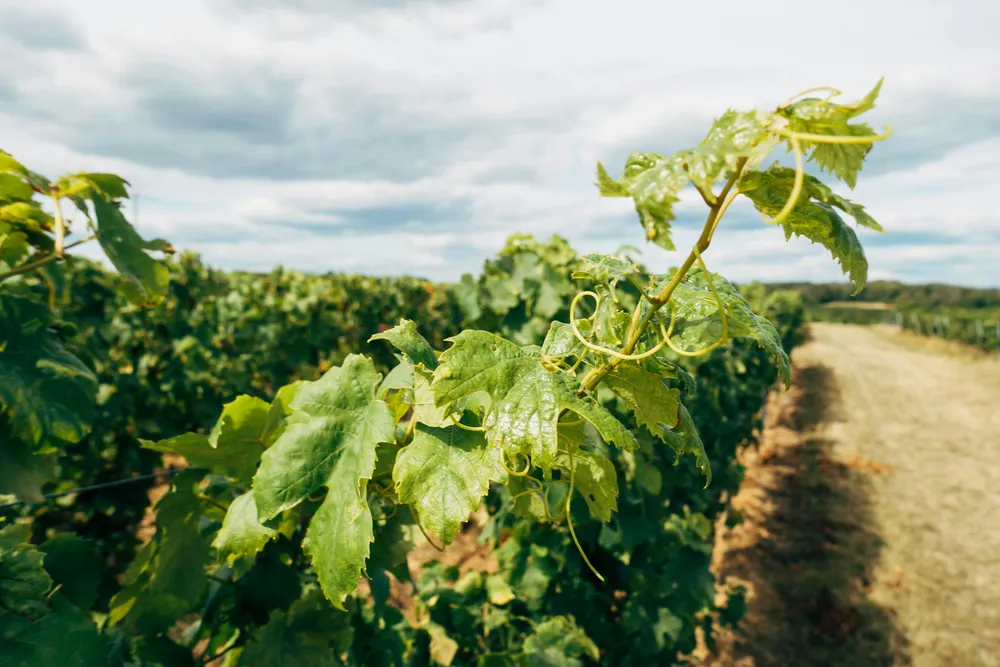
Biopesticides: Eden Research Accelerates Commercialization Between Europe and the U.S.
Eden Research plc, a major player in the field of sustainable biopesticides, has announced financial results in line with market expectations for the period ending March 31, 2026, with projected revenues of £4.9 million. The company has also secured crucial regulatory approvals for its products, including Mevalone in California and France, and has signed an exclusive distribution agreement with Syngenta, thereby expanding its market.
Source: Agropages, published under the title "Eden Research reports steady progress, new Syngenta deal, an..." - 30 April 2026
Read more
Biofungicides: Up to 65% Less CO₂ Compared to Chemical Solutions, Says Bureau Veritas
A comparative assessment shows that biological solutions are gaining strategic relevance, offering agronomic performance comparable to chemical products while enhancing soil health. Bureau Veritas's study reveals that biological fungicides, such as Biotrop's Bombardeiro, emit up to 65% less CO₂ than conventional chemical fungicides.
Source: Agropages, published under the title "Groundbreaking study reveals environmental advantage of biol..." - 30 April 2026
Read more
Post-Harvest: AgroFresh Strengthens R&D in Asia to Reduce Fresh Fruit Waste
AgroFresh Solutions Inc. has recently opened a research and development center in Yangling, China, an agricultural innovation hub. This center focuses on post-harvest preservation technologies and digital tools to enhance the quality of fresh produce and minimize waste. By targeting key regional crops, including apples and kiwis, AgroFresh aims to provide tailored solutions for the Asia-Pacific markets.
Source: Agropages, published under the title "AgroFresh opens new Asia Pacific R&D Center in Yangling, Chi..." - 30 April 2026
Read more
Bayer and IITA Join Forces to Develop Climate-Resilient Varieties in Sub-Saharan Africa
The International Institute of Tropical Agriculture (IITA) and Bayer announce an ambitious research partnership aimed at revolutionizing agriculture in Sub-Saharan Africa. This project, extending until 2028, seeks to develop crop varieties suited for smallholder farmers by integrating advanced technologies such as genomic editing and molecular selection.
Source: Agropages, published under the title "IITA and Bayer launch groundbreaking research collaboration ..." - 30 April 2026
Read more
Biostimulants: Seipasa's Kynetic4® Approved by European Regulations
Seipasa, a Spanish company specializing in biotechnological solutions for agriculture, has recently obtained European certification for its biostimulant Kynetic4®. Classified as a non-microbial biostimulant under regulation (EU) 2019/1009, Kynetic4® is designed to optimize plant flowering and enhance their metabolism, while increasing their resistance to adverse environmental conditions.
Source: Agropages, published under the title "Seipasa secures new European biostimulant registration for K..." - 30 April 2026
Read more
Phosphorus Optimization and Climate Stress: Agricells Launches Biostimulants in the U.S.
Agricells, an innovative player in the biostimulant sector, announces its establishment in the United States, a strategic agricultural market. In the face of a nutrient availability paradox, particularly phosphorus, the company offers solutions to optimize crop yields. Agricells' biostimulants mobilize nutrients present in the soil, increasing yields by 10 to 17% in certain crops.
Source: La Ferme Digitale, published under the title "Agricells s’implante aux États-Unis pour accélérer le déploi..." - 29 April 2026
Read more
Fermeate Raises $2 Million to Transform Industrial Fermentation with Optogenetics
Fermeate, an industrial biotechnology company, has announced the closing of a $2 million funding round to develop an optogenetic control platform. This innovative technology, which uses light to modulate gene expression in microbes, enhances yields by 60% to 300%.
SEPEHR ACHARD, Source: Igronews, published under the title "Fermeate Raises $2 Million Seed Round to Deploy Optogenetic ..." - 29 April 2026
Read more
Pivot Bio Invests $7 Million in Two Centers of Excellence to Secure Biological Nitrogen in the U.S.
Pivot Bio announces a strategic investment of over $7 million to establish two new centers of excellence in St. Louis, thereby strengthening its biological nitrogen production amid fertilizer market volatility. The Hazelwood center will focus on manufacturing and distribution, while the Creve Coeur center will dedicate itself to research and development of crop nutrition technologies.
SEPEHR ACHARD, Source: Igronews, published under the title "Pivot Bio Invests More Than $7 Million in Greater St. Louis ..." - 29 April 2026
Read more
EPA Approves CarriCea T1, an Innovative Rootstock to Combat Citrus Greening in Florida
The EPA's approval of CarriCea T1, a modified citrus rootstock, marks a significant advancement in the fight against greening disease, which has devastated over 90% of citrus production in Florida over the past 20 years. By enabling trees to bolster their natural defenses, this innovation reduces reliance on chemical pesticides while supporting the sustainability of American agriculture.
Source: Agropages, published under the title "New citrus tool to help prevent widespread loss of citrus cr..." - 29 April 2026
Read more