
The Canadian company Ostara has introduced an improved formulation of its CG P2X fertilizer, increasing nitrogen and phosphorus concentration, thus allowing a reduction of 60 to 65% in application rates compared to conventional fertilizers. This innovation, validated by 151 field trials across various soil types and management systems, promises to enhance nutrient efficiency while minimizing environmental impacts associated with conventional fertilizers.
SEPEHR ACHARD, Source: Igronews, published under the title "Ostara Launches Higher-Analysis CG P2X Fertilizer Formulatio..." - 10 June 2026
Read moreBritish company COPE is set to unveil its new winter wheat variety, Chessum, at Cereals 2026, taking place from June 10 to 11, addressing the growing needs of farmers for low-input crops. With high nitrogen use efficiency and resistance to diseases such as yellow rust and septoria, Chessum aligns with a more sustainable crop management approach while maintaining grain quality potential.
Source: Agropages, published under the title "New French milling wheat delivers premium potential with low..." - 10 June 2026
Read more
Aphea.Bio has announced a strategic partnership with Bayer to accelerate the development of bioinsecticides targeting sap-sucking insects, major pests for crops. This collaboration aims to enhance crop protection tools by leveraging bioactive metabolites derived from microbial strains. Both companies are committed to working together to validate prototypes and navigate the regulatory process.
Source: Agropages, published under the title "Aphea.Bio to enter into strategic research partnership with ..." - 10 June 2026
Read more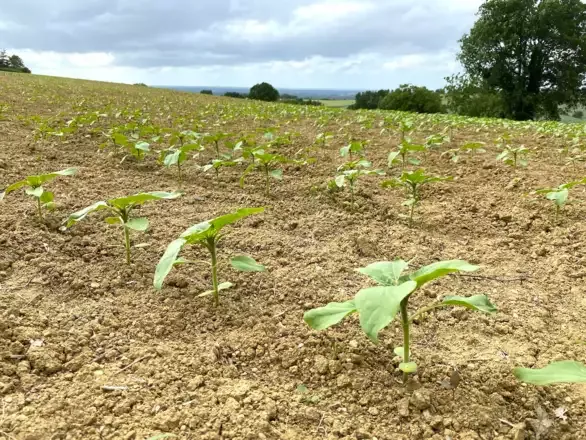
In the southwest of France, the early harvests of peas and barley create an opportunity to plant sunflowers as a catch crop. Terres Inovia, the French agricultural technical institute, emphasizes the importance of quick sowing and proper irrigation to maximize yields. With a potential of €600/ha for seeds intended for sustainable aviation fuel, this strategy could offer interesting economic prospects, provided that an optimal technical itinerary is followed.
Publié par Pleinchamp, Source: Pleinchamp, published under the title "Dans le Sud-Ouest, une fenêtre pour implanter du tournesol e..." - 10 June 2026
Read more
The French startup Cyclair, supported by the Océlia cooperative, is developing an inter-row and inter-plant weeding robot for canola, corn, and sunflower, aiming to provide an economic and ecological alternative to chemical weeding. With an operating cost between €35 and €80 per hectare comparable to that of chemical herbicides, Cyclair aims to transform agricultural practices. The robot, capable of working at suitable speeds, is in the testing phase for imminent market release.
Publié par Pleinchamp, Source: Pleinchamp, published under the title "Cyclair, le robot qui entend faire flétrir le désherbage chi..." - 10 June 2026
Read more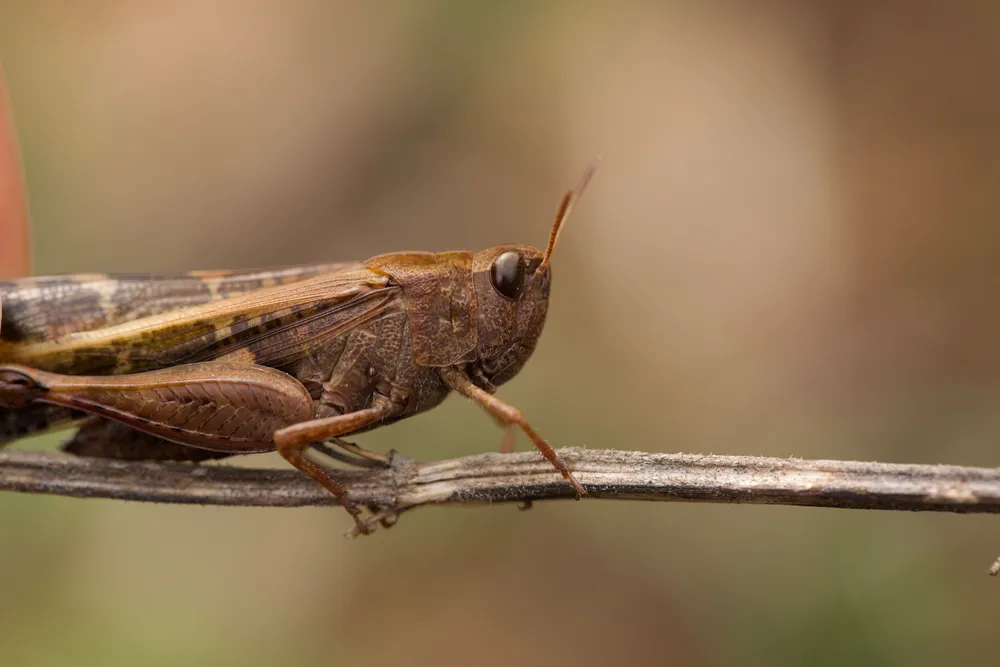
Kazakh and Chinese scientists have tested a new biological pesticide based on the fungus Metarhizium anisopliae to combat Moroccan locust infestations. Results show a mortality rate of 70-80% of locusts within five days of treatment. This project aims to control locust invasions in cross-border breeding areas.
Source: Agropages, published under the title "Kazakhstan and China test biological locust control agent" - 10 June 2026
Read more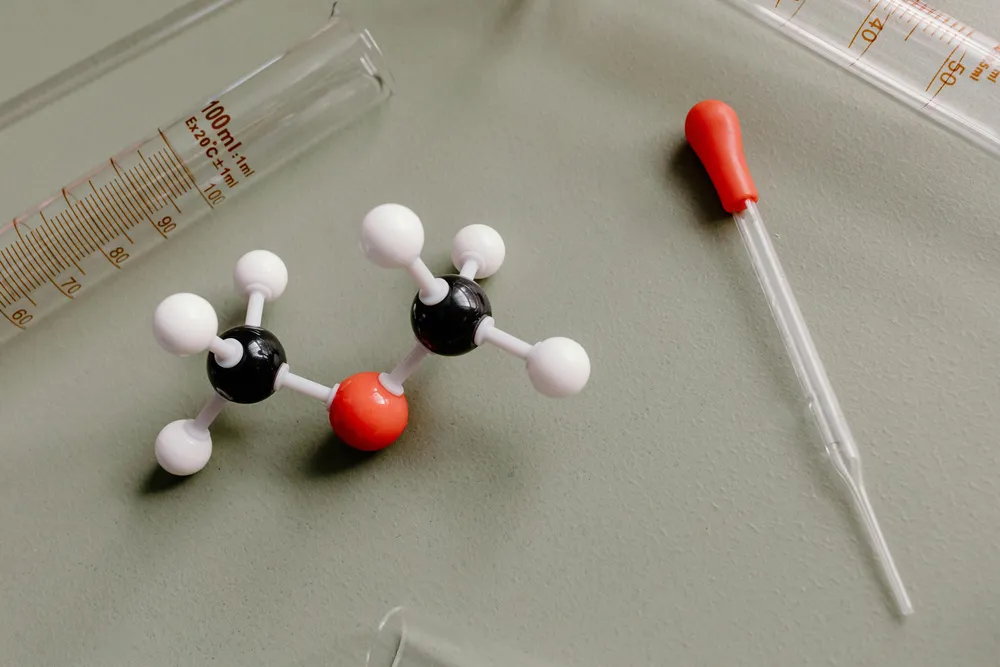
The agrochemical industry is turning to the optimization of existing molecules, such as glufosinate-ammonium, through isomeric enrichment technologies that enhance herbicide efficiency and reduce operational volumes required. Companies are exploring alternative innovation pathways to the discovery of new molecules, aiming to maximize the value of active ingredients in the face of increasingly stringent regulations and high development costs.
Source: Agropages, published under the title "Agrochemical industry’s next frontier may be smarter molecul..." - 9 June 2026
Read more
Amoéba, a French company specializing in natural microbiological solutions, has received a 120-day emergency authorization for its biofungicide AXPERA in Italy, aimed at combating basil downy mildew that can destroy up to 80% of crops. This measure addresses the growing pressure on basil producers, a key market in Europe, where conventional solutions are increasingly limited and inadequate.
Source: Agropages, published under the title "Amoéba obtains in Italy a 120 day emergency authorization fo..." - 9 June 2026
Read more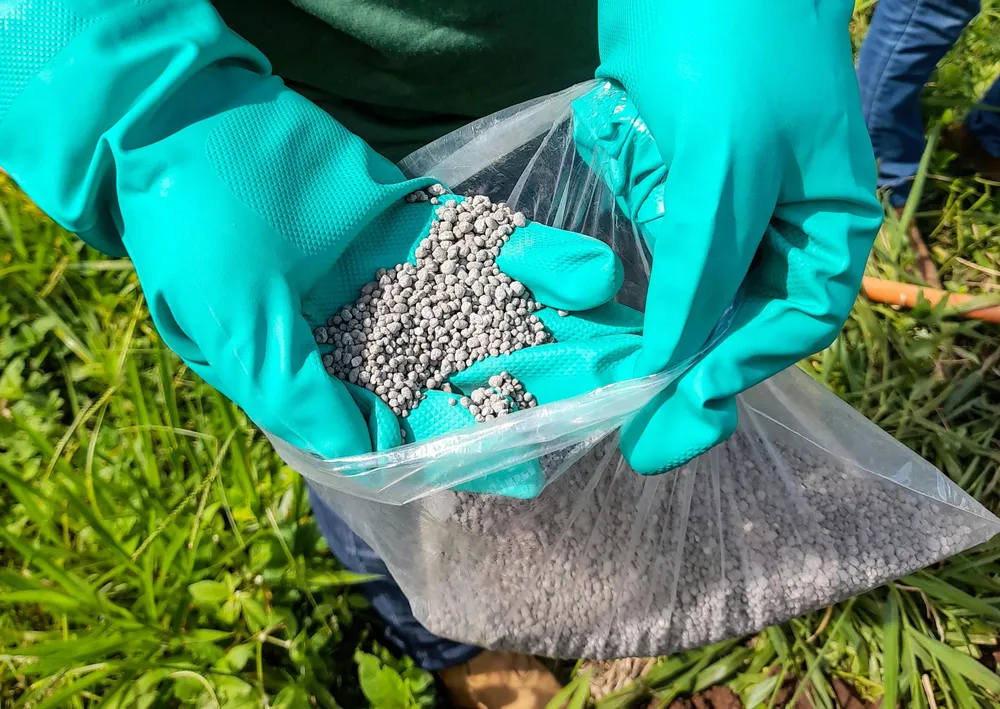
Two Ukrainian companies, BTU and BINFIELD, announce the industrial production of an NPK fertilizer incorporating beneficial microorganisms directly into the granules. This innovative approach, developed over five years, aims to enhance the efficiency of nutrients already present in the soil through five selected bacterial strains, while providing measurable yield gains for several crops.
Source: Agropages, published under the title "BTU and BINFIELD launch microbial-coated NPK fertilizer foll..." - 9 June 2026
Read more
A new biopolymer double-layer seed coating has been designed to counter yield losses in oilseed crops by integrating specific fungicides and biofertilizers. Results show superior germination rates (78.8–86.7%) compared to untreated seeds, with reduced seedling mortality by 60 to 75%.
Source: Agropages, published under the title "Deciphering physiological mechanisms of biopolymeric seed co..." - 8 June 2026
Read more